
Australian financial services software provider, InfoComp, has landed a “seven figure” contract with UK bank Abbey to provide the technology for its existing and proposed new wrap platforms.
Under the terms of the agreement the InfoComp Composer system will take over administration of the £11 billion, or A$27.5 billion, housed in Abbey’s self-invested pension plan (SIPP) and wrap platforms – which are marketed under the James Hay label. The Composer platform will also form the backbone of a range of SIPP and wrap products Abbey plans to launch early next year. According to Rob DeDominicis, InfoComp CEO, the first phase of the Abbey project will begin with the “greenfield” platforms followed by the migration of existing funds onto Composer. “We believe that Abbey chose us, in part because our administration solutions have been tried and tested but also because we have the experience and the expertise to deliver the best all round functionality,” DeDominicis said in a statement yesterday. He said the deal was unique among recent wrap deals in the UK in that a migration of existing funds was involved rather than accepting new flows only. This year other Australian technology firms such as Bravura and Praemium have also announced wrap deals in the UK. Stefano Del Federico, UK sales director Abbey Wealth Management, said the group is making a major long-term investment in its wrap with a number of enhancements to the platform about to be released. “IFAs will benefit from the upgraded website from the end of October, and can look forward to a further upgrade next year, powered by InfoComp’s Composer platform,” Del Frederico said in a statement. In the statement Abbey said it had concluded a “seven-figure” agreement with InfoComp. Abbey, the UK’s sixth-largest bank, was bought by Spain’s largest financial institution Banco Santander Central Hispano in 2004 for £9.5 billion.

19/09/2006
technology, figure”, platforms, “seven, largest, deals, statement, migration, infocomp, composer, dedominicis, abbey


Investments

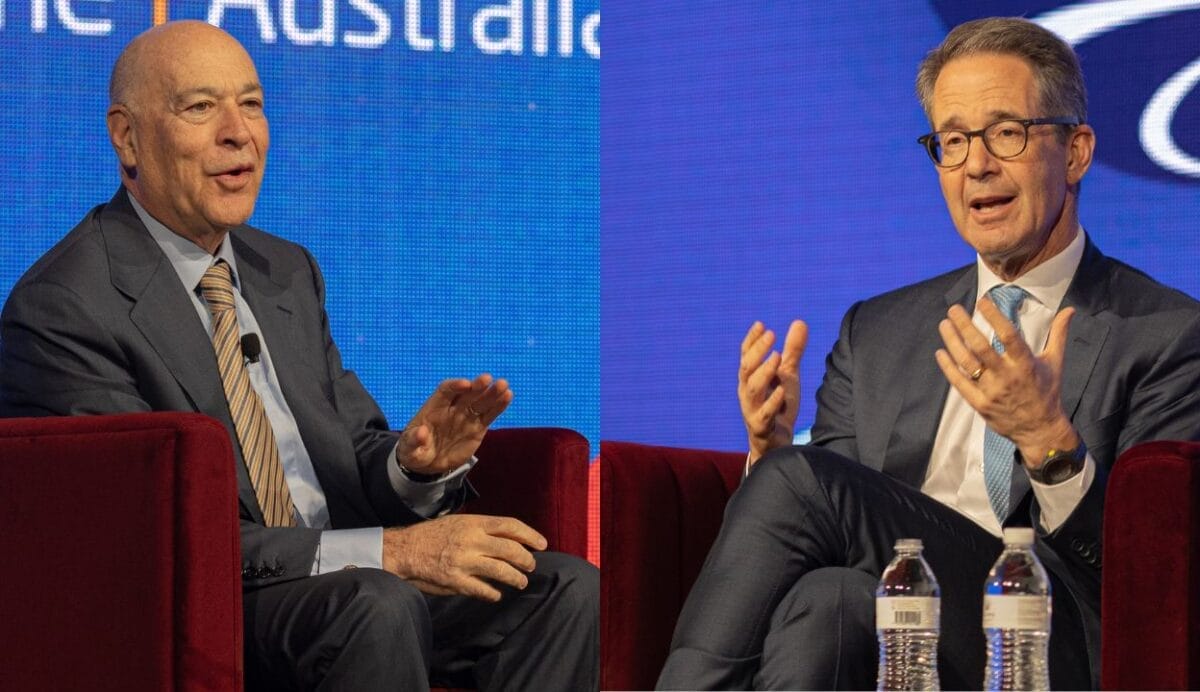
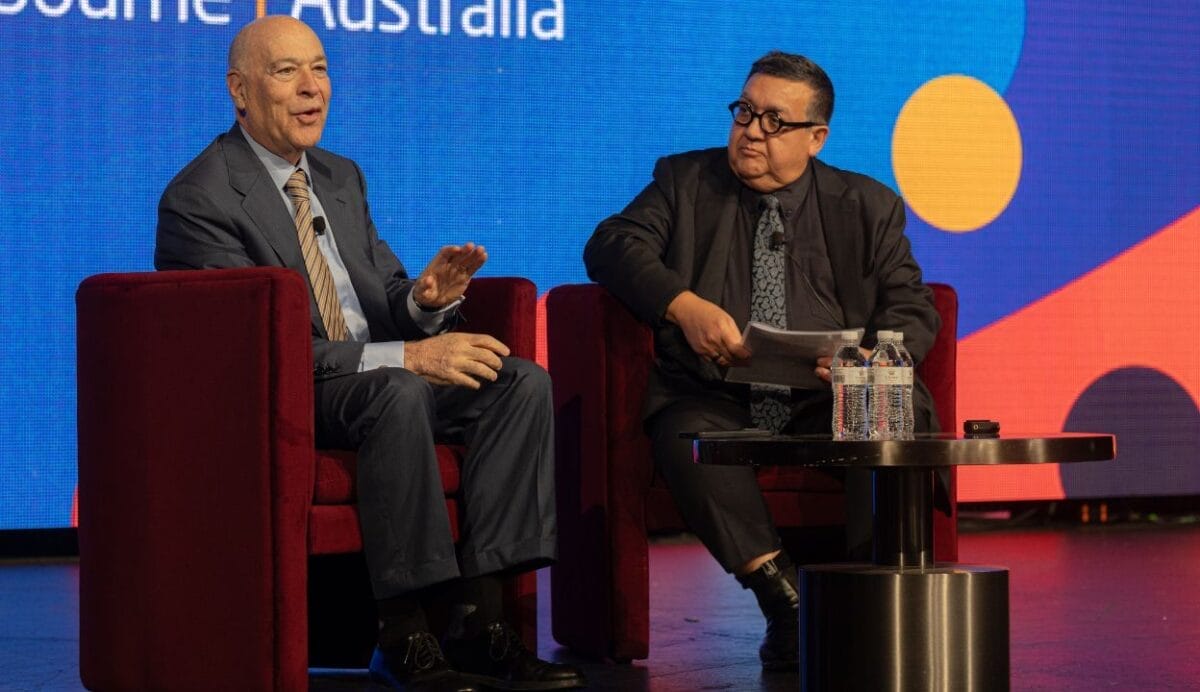
Some investors are “missing the point” of geopolitical risks by equating them to the disruptions from conflicts and wars, according to GIC chief economist Prakash Kannan, but in reality, geopolitical risk is no longer episodic or peripheral. This means investors need to think harder about inflation and country composition in their portfolio.





Leave a Comment
You must be logged in to post a comment.