
The New Zealand Superannuation Fund has put its custody arrangements to tender, using UK specialist Thomas Murray as advising consultant, prompting speculation that Australia’s Future Fund may also use the international consultancy for its search.
NZ Super is the government-sponsored fund which has been run since inception in 2001 by Paul Costello, who is to become the inaugural chief executive of Australia’s Future Fund next month. While Thomas Murray is highly regarded internationally, it is rarely used by Australasian funds as adviser in custodian searches. Each of the Australian asset consulting firms has at least one consultant who specialises in custody and manager backoffice assessments. Mercer Investment Consulting has the largest team, which also run the firm’s transition management business. Short-listed for the NZ fund are incumbent BNP Paribas Securities Services, State Street, JP Morgan and Mellon Asset Servicing. Mellon’s appearance on the shortlist is also rare in Australasia as the firm does not have a specialist custody operation here – so far concentrating on its multi-affiliate funds management offering. Mellon’s global custody business in the Asia Pacific region is overseen by Nadine Shakar in London. The firm has been rated very highly for its technology platform, winning several major global custodian awards in the past five years. The fund has about $NZ10.5 billion in assets and is funded by $2 billion a year from the NZ Government. It is expected to reach $NZ120 billion by 2025. The Future Fund has already sought expressions of interest from custodians. However, it is expected that another round of RFPs will be called for after a consultant is appointed. The Future Fund has advertised for expressions of interest from asset consultants but no further details have been publicised.

24/10/2006
specialist, thomas, murray, overseen, expressions, shortlist, shakar, nadine, consultant, pacific, mellon’s, australia’s

Investments
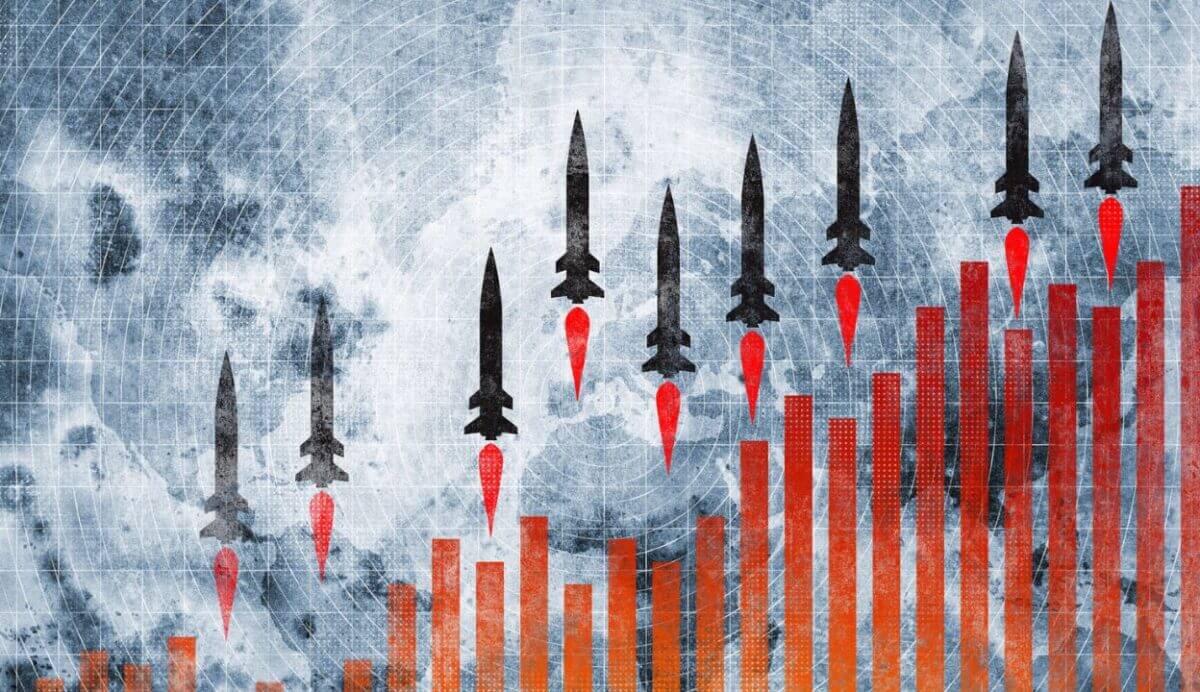
Some investors are “missing the point” of geopolitical risks by equating them to the disruptions from conflicts and wars, according to GIC chief economist Prakash Kannan, but in reality, geopolitical risk is no longer episodic or peripheral. This means investors need to think harder about inflation and country composition in their portfolio.





Leave a Comment
You must be logged in to post a comment.