
The Australian Reward Investment Alliance (ARIA) has $80 million to place into offshore private equity before the end of the financial year, but don’t expect an overweight to US large buy-out managers with new advisers Altius Associates guiding the process.
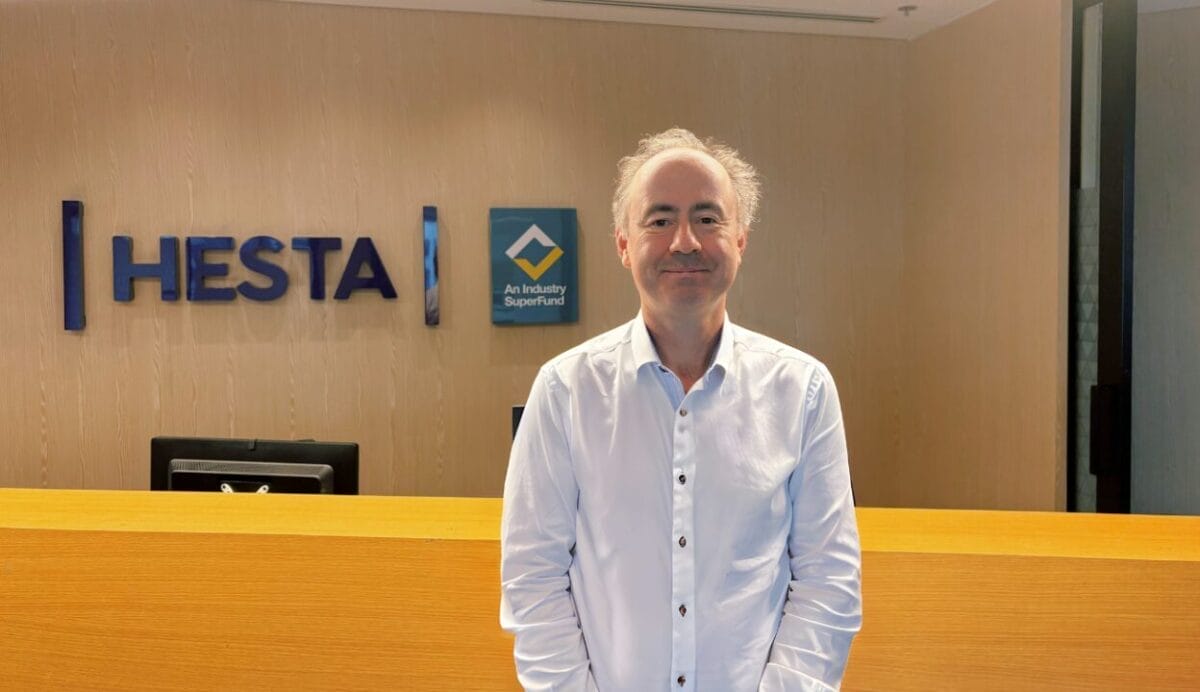
In Sydney yesterday for his first face-to-face meeting with ARIA and its new alternative portfolios investment manager Greg Bayles, Altius chief executive John Hess said many mega buy-outs of late had been overvalued. “;We don’t market time, because over the minimum 20-year time horizon you need if you’re serious about private equity, you will get excess returns from a top quality manager no matter what sector they are in,”; he said. “;That being said, we think the world’s gone a bit mad of late and it’s trickled down into private equity. We don’t care what’s in the media about what group has paid what price to take what big name off the public markets, if we don’t think the valuations are sustainable we won’t invest.”; Altius’ head of the US office, Brad Young, said too many players at the large buy-out end of the market were “;superimposing the conditions of the last five years into what it will be like over the next 20 years”;. He pointed to the return of fundamentals in the venture and expansion capital sectors after “;a quiet couple of years”;. Hess observed the biggest recent shift in the private equity market was the “;upper hand”; which scarce top-quality managers had now gained against the community of institutional investors seeking allocations. “;We’ll probably advise ARIA, as we have other clients, to put together a presentation about their long-term private equity program which they can show to managers,”; he said. “;A lot of managers were burned by the ‘hot money’ which came into the sector during the tech boom, so they’re really careful now about whom they choose to partner with.”;

27/02/2007
venture, shift, biggest, expansion, conditions, fundamentals, altius, ;upper, scarce, couple, ;superimposing, sector

Investments
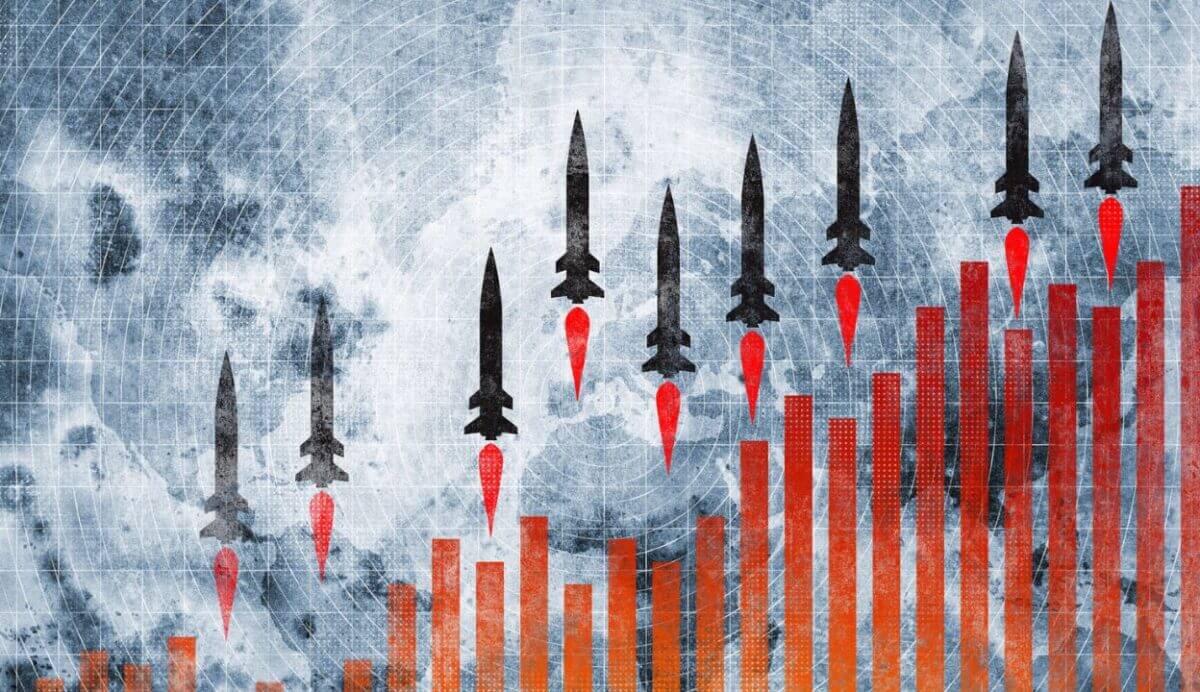
Some investors are “missing the point” of geopolitical risks by equating them to the disruptions from conflicts and wars, according to GIC chief economist Prakash Kannan, but in reality, geopolitical risk is no longer episodic or peripheral. This means investors need to think harder about inflation and country composition in their portfolio.





Leave a Comment
You must be logged in to post a comment.