
The chief executive of the $1.5 billion BUSS(Q), David O’Sullivan, said a $10 million allocation to Contango Asset Management’s microcap fund was an example of how small-to-medium funds could access opportunities the “;megafunds”; could not.
Contango began marketing the microcap fund to institutions last year, once it began approaching a three year track record after an ASX-listed version debuted in March 2004. Contango client services director, Carol Austin, said the wholesale allocation would be soft-closed at $60-70 million to preserve performance which is tracking around 60 per cent annualised since inception. “;The funds we’ve been talking to haven’t been the biggest – it’s almost like this is a boutique product for a boutique fund,”; she said. The microcap LIC is currently capitalised at $150 million, and Contango aims to keep overall FUM in the strategy to below 0.5 per cent of the microcap universe. That means the current cap is $350 million, based on a Contango-defined $6-7 billion microcap universe of companies capitalised at $250 million or below – which includes a few companies in the lower echelons of the ASX 300. BUSS(Q)’s O’Sullivan said the Queensland-based public offer fund was small enough to access the Contango product, and for it to make a material difference to members’ returns. “;Something this size is immaterial to an AustralianSuper, but it’s a sector of the market where we are seeing more value-add from managers than in the large cap space,”; he said. “;This is an example of where the scale benefits of going from $10 billion to $20 billion can be really overrated,”; O’Sullivan added. BUSS(Q) also recently joined the funds which have fired Lloyd George Asset Management in the wake of three senior staff departures. The replacement manager for the $35 million emerging markets mandate was Lazard Asset Management.

03/07/2007
capitalised, access, echelons, returns, includes, defined, allocation, sullivan, difference, boutique, contango, microcap

Investments
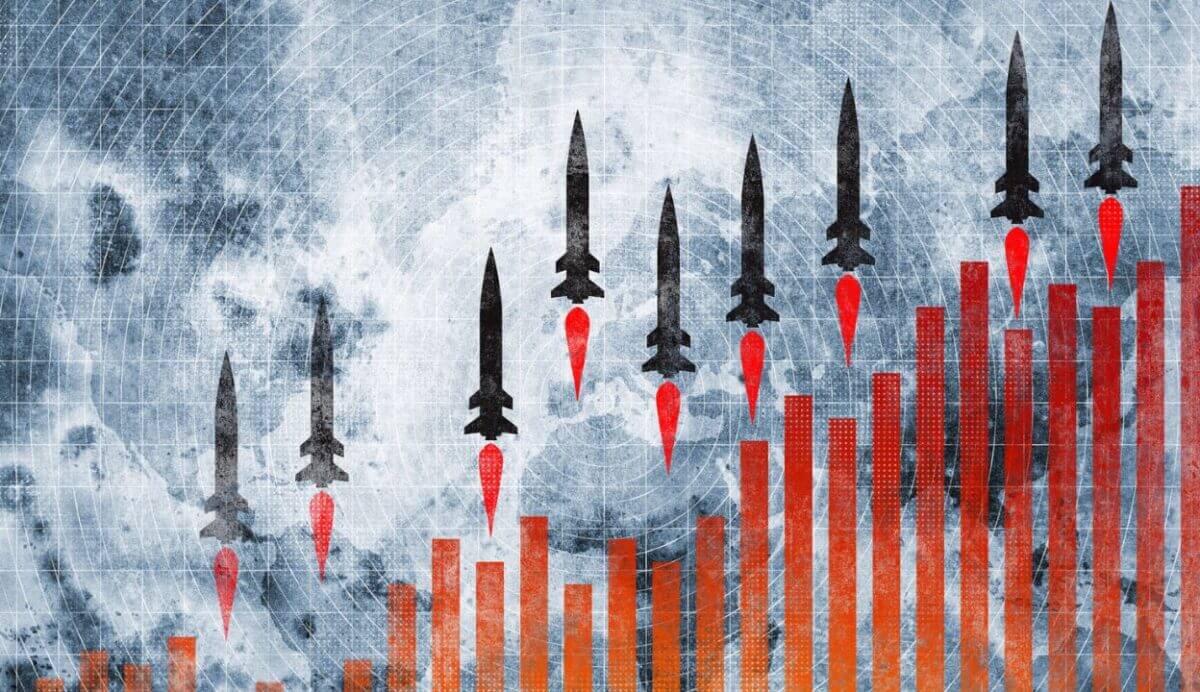
Some investors are “missing the point” of geopolitical risks by equating them to the disruptions from conflicts and wars, according to GIC chief economist Prakash Kannan, but in reality, geopolitical risk is no longer episodic or peripheral. This means investors need to think harder about inflation and country composition in their portfolio.





Leave a Comment
You must be logged in to post a comment.