
Boutique Australian equities manager L1 Capital has won three more mandates from institutional investors, increasing its funds under management to reach $200 million.
Since its first mandate last August of $50 million from industry superannuation fund Catholic Super, L1 has received a further three injections from three new investors. One mandate, which the investor has elected to place in L1’s investment trust, was worth over $70 million. The other two, which were separate mandates, were both worth around $30 million. Mark Landau, L1’s joint managing director, said the investors cannot be named. The investment trust was established for Landau and the other joint managing director, Rafi Lamm, to invest their own money alongside their clients. High net worth investors are also able to access the trust with a minimum initial investment of $500,000. Landau said the growth is in keeping with the long term vision of the company. “We’re really pleased with the way things are progressing,” he said. L1’s investment performance has been good since its inception in August last year. It returned 13.5 per cent to end of December 2007. It’s benchmark, the ASX 200 Accumulation Index, returned 7.34 per cent for the same period. While the fund has a mandate for the ASX 200 equities, Landau said it primarily focused on the ASX 100 in practice. It is a concentrated, high conviction portfolio. Landau and Lamm are the investment team. They have no plans in the immediate future to hire any more staff, according to Landau. Landau set up L1 in August after five years at mid-tier fund manager Invesco Australia, where he was an investment manager. Lamm was a portfolio manager at Peter Cooper’s Coopers Investors, where he had also been for five years.

15/01/2008
august, coopers, landau, performance, it’s, l1’s, conviction, joint, december, accumulation, invesco, focused

Investments
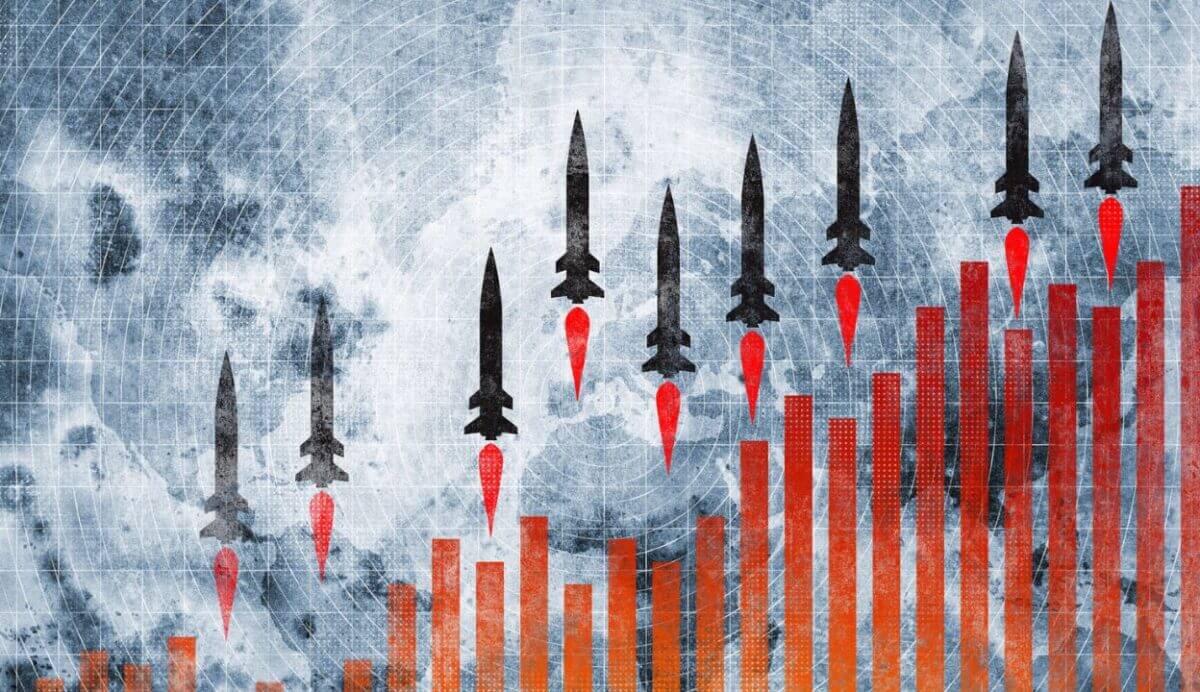
Some investors are “missing the point” of geopolitical risks by equating them to the disruptions from conflicts and wars, according to GIC chief economist Prakash Kannan, but in reality, geopolitical risk is no longer episodic or peripheral. This means investors need to think harder about inflation and country composition in their portfolio.





Leave a Comment
You must be logged in to post a comment.