
The New Zealand Government Superannuation Fund (GSF) has dumped plans to use an implemented consulting approach for its $2 billion international equities component, following a Chant West review.
Last year the GSF hired Sydney-based Chant West to investigate implemented consulting solutions for the $2 billion which it was about to transition from passive to active management. Alan Langford, GSF chief executive, said while it was a “line-ball decision” the fund opted to appoint managers directly rather than select an implemented consultant. Langford said the costs of keeping the international equities management in-house were about the same as outsourcing to an implemented consultant. “We’ve given implemented consulting serious thought,” he said. Following tax changes in New Zealand last year that removed favourable treatment for passive equity investment strategies, the GSF decided to move approximately NZ$2 billion to active managers. Previously, the passive international equities mandate was split between AMP and Axa. From October 1 last year the GSF has been gradually transitioning the international equities to a number of managers – seven global share managers have already been appointed with at least one more expected to be named soon. The seven managers appointed so far are: Altrinsic Global Advisers; Arrowstreet; Barclays Global Investors Australia (enhanced index); Marathon; PanAgora Asset Management; State Street Global Advisors (enhanced index); and, T Rowe Price. “We had about 12-15 RFPs out there during the process,” Langford said. He also said the GSF has reappointed JP Morgan as custodian after a review conducted by Mercer Sentinel last year. The $4 billion GSF is a defined benefit fund which partially funds New Zealand’s public sector retirement liabilities.

04/03/2008
appointed, enhanced, panagora, langford, marathon, arrowstreet;, advisers, reappointed, zealand, consultant, management;, barclays




Alternatives
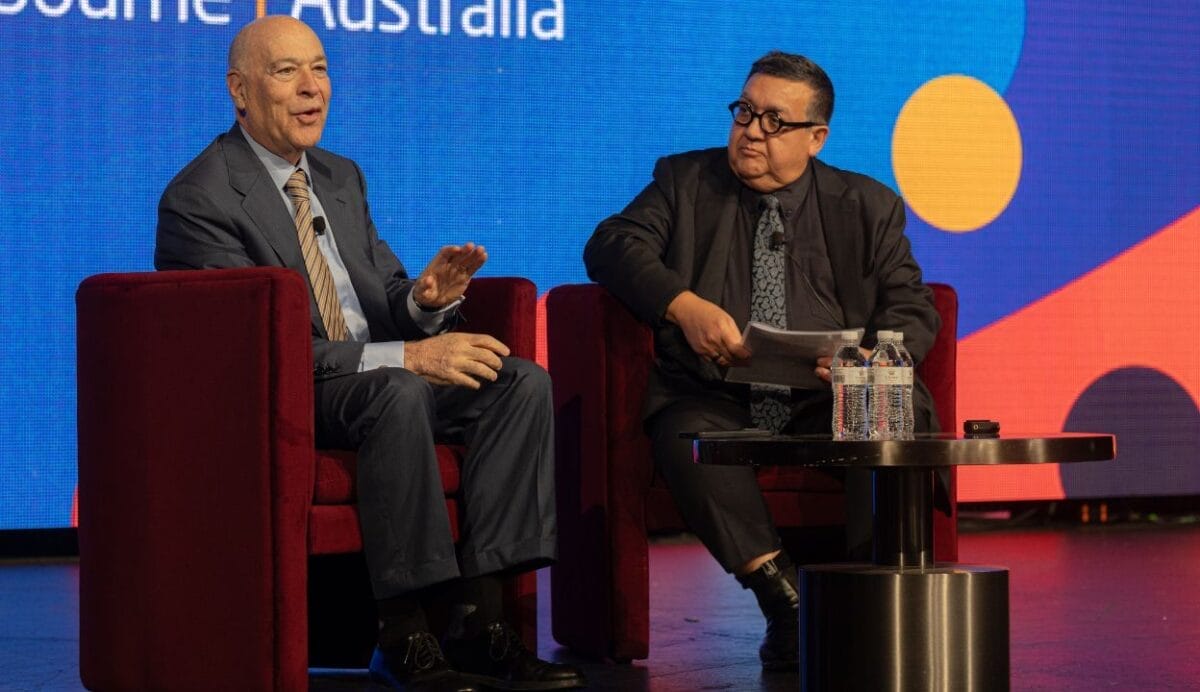
The chief investment officer of the $150 billion industry super fund says that Hostplus’ portfolio will weather the ongoing downturn in software companies and that moves by a number of large private credit managers to gate their funds are a result of the asset class being offered to retail investors who should not have assumed the funds would be liquid enough to get money out when everybody else is trying to do the same.





Leave a Comment
You must be logged in to post a comment.