
Three industry super funds have signed on global custodian consultancy Thomas Murray to monitor their custodians’ performance throughout the term of their respective contracts.
The $12.5 billion Cbus cited increased complexity of custodian services as a key factor behind the Thomas Murray appointment, while $3.6 billion CARE Super said it was a means of benchmarking the custodian. Both funds use National Custodian Services for master custody. The third fund to use the Thomas Murray monitoring service is $2.4 billion LUCRF Super, which uses JPMorgan as custodian. The custodian monitoring service is not the same as a custodian review on the eve of a contract expiration. Rather, it is an ongoing due diligence overview of cost and revenue management, compliance and risk management, and operational performance. Cbus chief executive, David Atkin, said although the super fund did its own monitoring of the custodian, an external party like Thomas Murray was able to provide a regular assessment “against its target service provision and against other custodians in the market…Due to the vast array of services provided by the custodian and the growing complexity of the relationship, on-going reviews provide greater comfort for the fund in the increasingly complex risk management environment we work in,” he said. CARE Super investment manager, Greg Nolan, compared the new outsourcing approach to the model of hiring asset consultants to do ongoing reviews of fund managers. “This [appointment] was something we undertook as a fund initiative to set a benchmark we can use to gauge how a custodian measures up to global standards,” he said.

22/04/2008
performance, array, ongoing, target, custodians, external, thomas, complexity, monitoring, murray, reviews, atkin




Alternatives
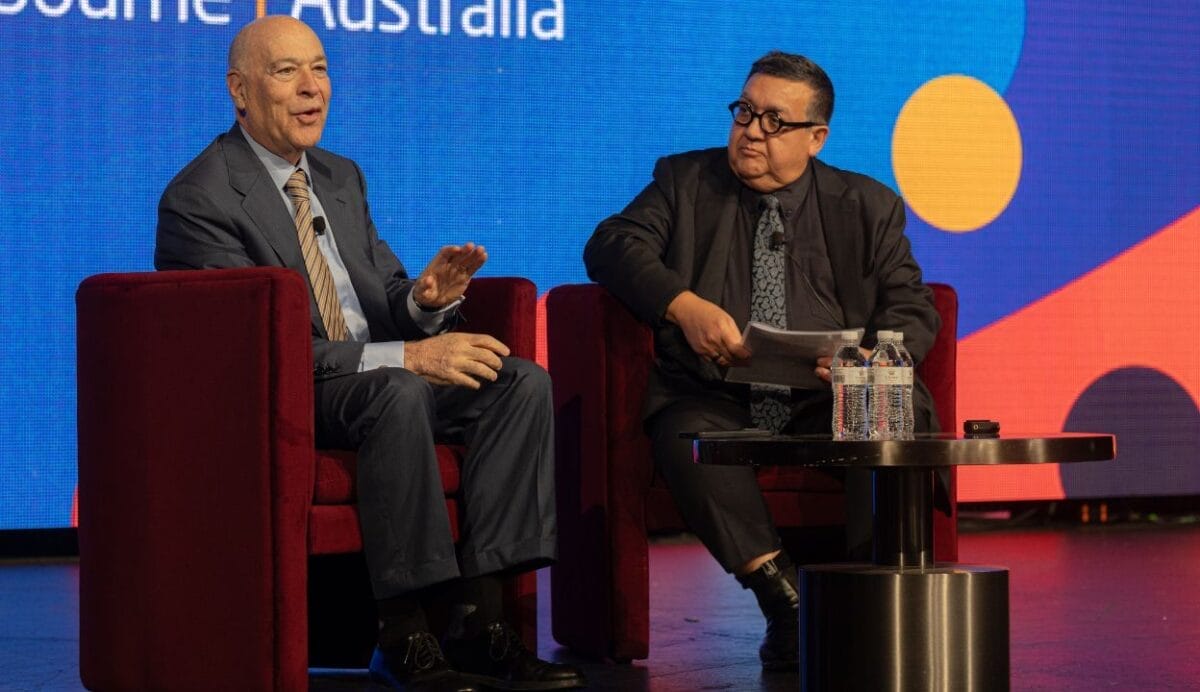
The chief investment officer of the $150 billion industry super fund says that Hostplus’ portfolio will weather the ongoing downturn in software companies and that moves by a number of large private credit managers to gate their funds are a result of the asset class being offered to retail investors who should not have assumed the funds would be liquid enough to get money out when everybody else is trying to do the same.





Leave a Comment
You must be logged in to post a comment.