
MTAA Super has signed up a global custodian consultancy to monitor and benchmark its relationship with National Custodian Services.
The $6 billion fund’s deputy executive director, superannuation, Leeanne Turner, said Thomas Murray’s custodian monitoring service was introduced to “add an extra level of comfort” to the trustee’s own monitoring of NCS. “We’re very happy with our custodian and do our own monitoring around whether the custodian is meeting the expectations set out in the service agreement, but what appealed to us was to have a regular assessment of the service provisions of that agreement and a means of benchmarking that against other custodians in the market place,” Turner said. The service was not intended to replace a custodian review when the existing contract comes up for tender, but rather was a second check for the super fund on the custody service, particularly around fees and transaction costs. “It gives us an insight into the other providers we otherwise wouldn’t have,” Turner said. The custodian monitoring provides a range of services including an ongoing due diligence overview of cost and revenue management, compliance and risk management, and operational performance, according to Thomas Murray. Other funds to have introduced ongoing custodian monitoring with the consultant include Cbus, LUCRF and CARE Super. In other Thomas Murray news, the consultancy’s former chief operating officer, Ross Whitehill – most famous in Australia for assisting the Future Fund’s master custodian search – has resurfaced at BNY Mellon Asset Servicing as head of offshore management for the EMEA region.

08/07/2008
ongoing, operational, thomas, monitoring, consultancy, introduced, diligence, turner, murray, compliance, wouldn’t, performance




Alternatives
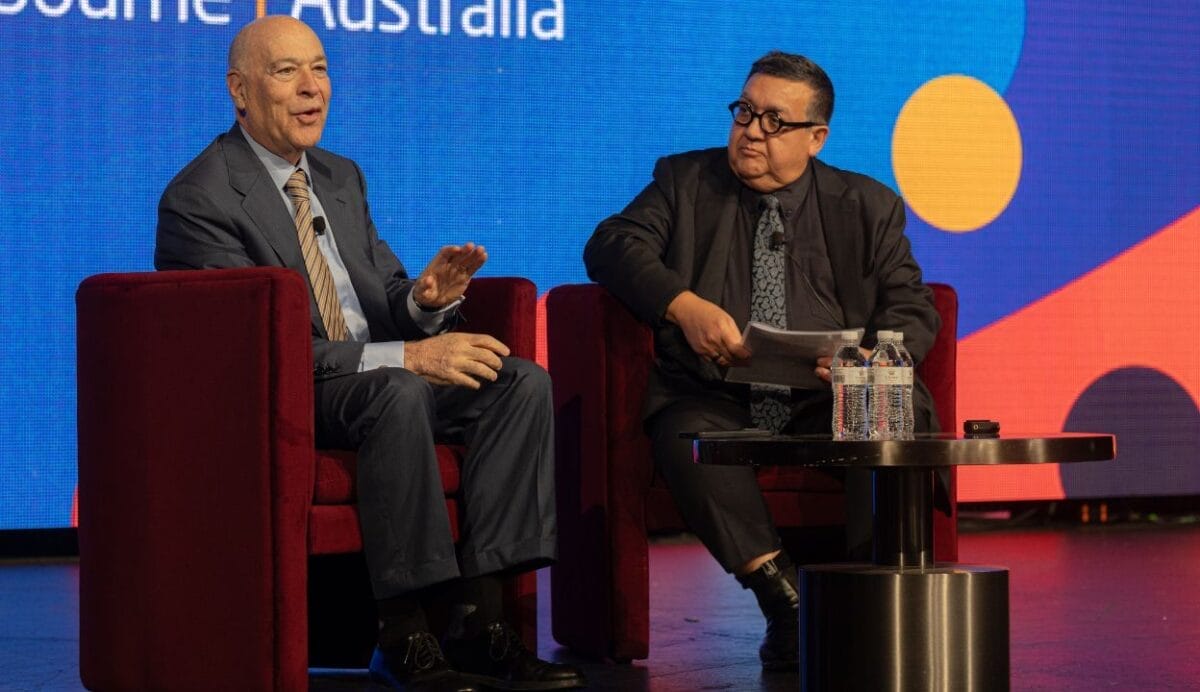
The chief investment officer of the $150 billion industry super fund says that Hostplus’ portfolio will weather the ongoing downturn in software companies and that moves by a number of large private credit managers to gate their funds are a result of the asset class being offered to retail investors who should not have assumed the funds would be liquid enough to get money out when everybody else is trying to do the same.





Leave a Comment
You must be logged in to post a comment.