
The 10 redundancies now occurring at BT Investment Management (BTIM) will claim the role of a senior distribution manager who has been with BT for 22 years, and a fixed interest portfolio manager.
Tony Gobbo, BT Financial Group’s national key account manager who was hired into the firm in 1986 as a business development manager by former distribution head Terry Power, will leave the business before or during November, when his contract expires, as a result of a company restructure. “The parting will be amicable,” Gobbo said, adding that his 22 years with BT placed him as the longest-serving remaining employee. “I’ve ridden through the halcyon days and the tough periods where we have suffered poor performance.” “I’ve spent nearly half of my life helping them build their business.” Gobbo confirmed his role is one of 10 being made redundant at BTIM. Gobbo rose from BDM to state manager for Victoria, keeping this post for a decade before becoming national master trust manager for four years and then national key account manager, based in Melbourne. After “heading off to Bali” for a break soon after November 21, when his contract expires, Gobbo will seek an opening to re-enter the distribution side of the industry. “I intend to re-emerge over the next couple of months,” he said. “I’ve just written out my first CV in 22 years.” Gobbo will be replaced by Alistair Dunne, a BDM based in Sydney who will move to Melbourne to undertake the role. Meanwhile, on the manufacturing side of BT Investment Management (BTIM), among those exiting is Jim Chronis, portfolio manager and strategist in the fixed income team. BTIM declined to comment on the redundancies. In July, I&T News reported that BT Financial Group would cut up to 100 roles from the business, mainly in the administrative and backoffice areas but including head of distribution Don Sillar.

16/09/2008
redundancies, alistair, couple, melbourne, “heading, replaced, november, intend, dunne, i’ve, expires, gobbo


Investments

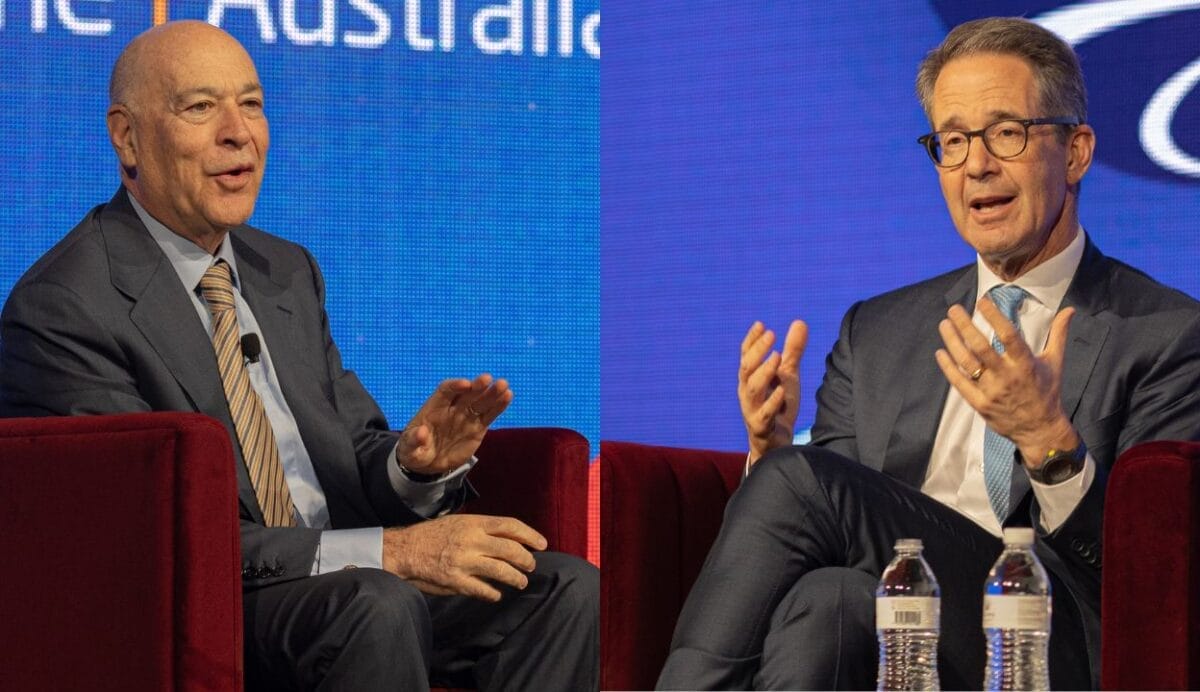
Some investors are “missing the point” of geopolitical risks by equating them to the disruptions from conflicts and wars, according to GIC chief economist Prakash Kannan, but in reality, geopolitical risk is no longer episodic or peripheral. This means investors need to think harder about inflation and country composition in their portfolio.





Leave a Comment
You must be logged in to post a comment.