

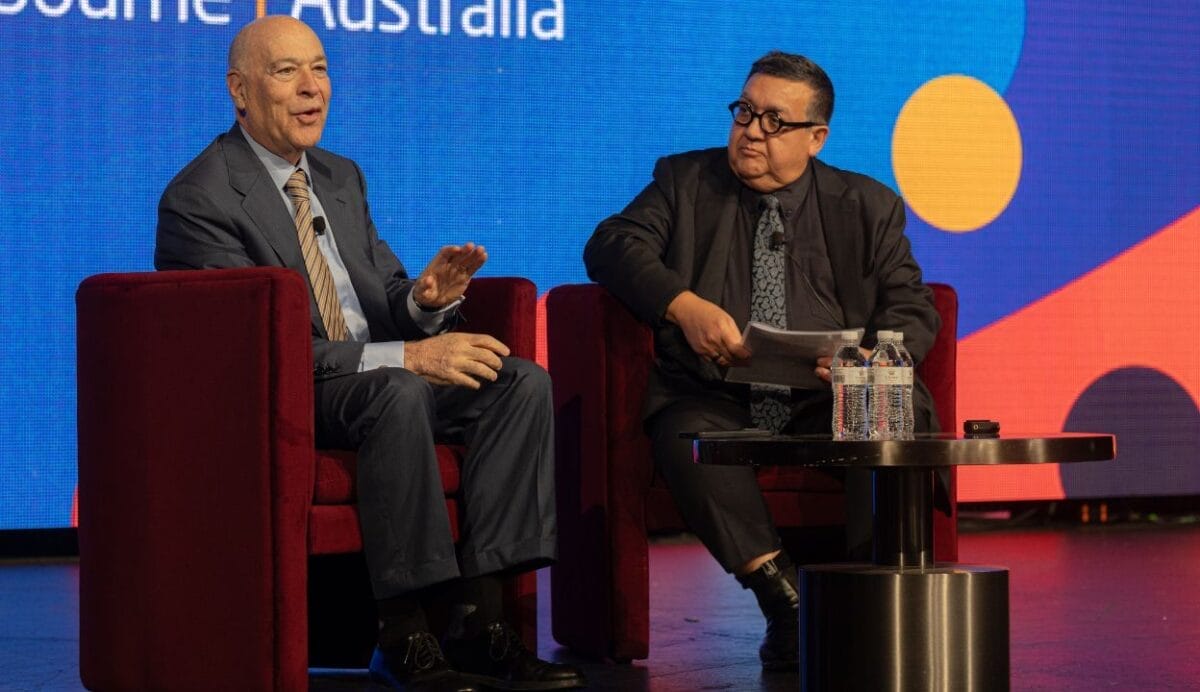
Gray said at the workshop that there were nine main reasons that investors tended to prefer active management, notwithstanding all the evidence that, on average, this was unlikely to lead to outperformance after fees. Those reasons were: . The tendency for people to extrapolate from the short-term past into the future – in all other areas of life, past performance is a good guide to the future. “You don’t go out and hire a contrarian builder,” Gray said. . Ignorance, poor reasoning and cognitive biases.
The belief in the inefficiency of markets. . Risk control – active managers should have lower volatility. . Knowledge transfer. . Vested interests, such as financial planners recommending the commission- paying investment products. . Competition with other investors, which was “really destructive”. . Non-standard utility, including the status element to having an active manager. . Some active management was needed in the market to ensure efficiency. Gray said this reason was never stated, however the market could not function if all investors were indexed.
Gray and Bird are working on a research paper that will argue that super funds would be better served if they cooperated more with each other on their investments and if the funds management world had massive consolidation. Bird said that index funds did not represent the answer for the majority of funds because they would not lead to allocative efficiency. There needed to be some form of competition in the investment marketplace. He believed that a solution to the problem which would lead to optimum returns for members was to have only six or so super funds and six to eight fund managers, which could be owned by the funds.
The proposed paper is called “An (Im)Modest and (Un)Popular Proposal”. Bird said that competition did not seem to work in the financial services industry. The superannuation industry existed to service the needs of the members and to engineer the best possible investment outcome, subject to the individual needs of the members. However, it did not succeed in achieving its aims, he said. “There are manifest problems with agency relationships, asymmetric information and so on which make the members easy pickings.
The competition which we have at the moment leads to inefficient pricing, a misallocation of capital, diminished growth and lower investment returns.” Bird and Gray estimate that the total cost to members of the current system is about 3 per cent a year. This consists of a “conservative” estimate of 1 per cent cost due to inefficient pricing, 1 per cent cost due to their being too many super funds, and 1 per cent additional cost due to agency issues, such as managers managing their own business risk ahead of their investors’ risk.








Leave a Comment
You must be logged in to post a comment.