

And you can also have situations potentially where the fund ends up paying extra, because of the situation and the view that the SCT takes about where its all ended up. The same sorts of things happen in court, although the costs in court are very significantly greater. And often it ends up in a settlement situation where payments are made and the claim really never was satisfactorily resolved. Somebody ending up getting a payment at the very last minute, but they go away from the process ultimately feeling that they received something but less than what they wanted. The fund’s not happy because its had to make a payment a lot of legal expense, great for lawyers, less good for the fund and I guess for the other members who are bearing the cost of that. And the member really doesn’t have a sense of having been heard or having their claim resolved in an orderly course. When funds are caught doing these sorts of things there’s of course a reputational risk.
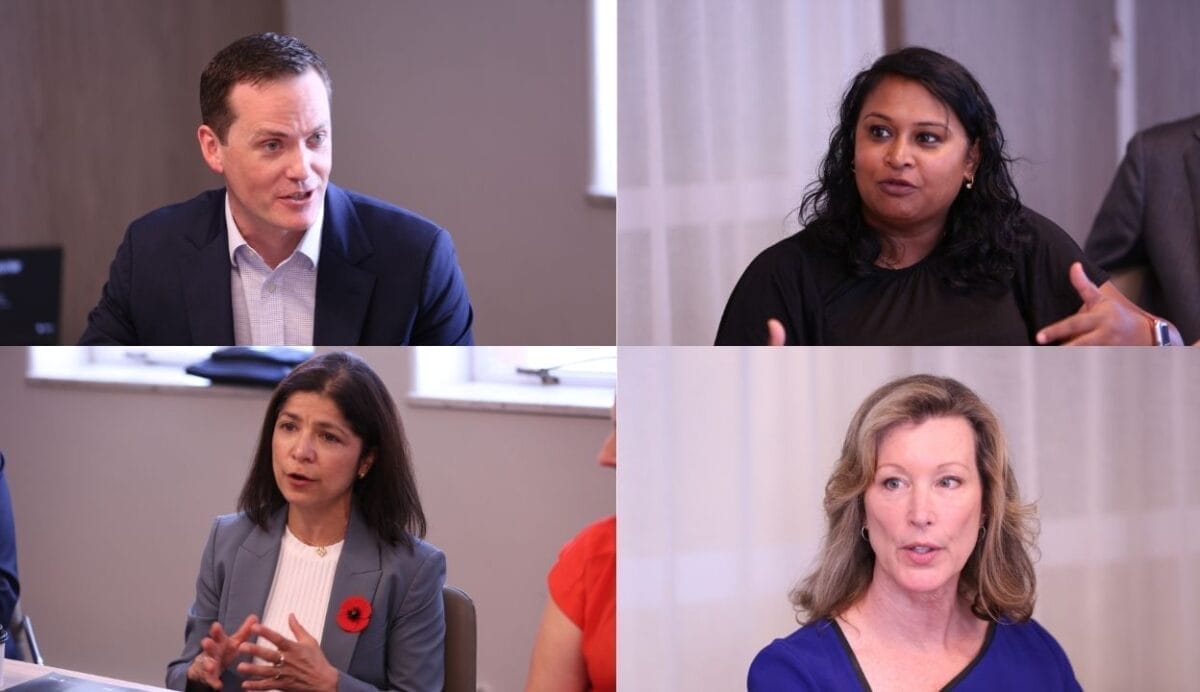
I haven’t actually ever heard anybody say, well I heard suchand- such a fund is very slow at paying claims, in the same way that you do hear that about car insurance, for example. But I suspect its only a matter of time as people get more sophisticated about their super and more sophisticated about these entitlements that we will hear more discussion about funds and how good they are about dealing with claims. Particularly as people have their insurance needs more and more met within superannuation., because it’s very difficult to get salary continuance at decent levels or TPD cover outside of the funds. Helen Hewett: Heather you made a comment about trustees being obliged to act in the best interest. Are there any best interest issues you can think of in relation to mental health where trustees should either morally or legally go one step further. If, for example, they’re aware that their claims process was unfriendly, or just not useable for people who’ve got substantial mental illness.
Heather Gray: I think so. That doesn’t mean you look at each individual member and say what’s best for him or her, as we know you look at it globally and say what’s the best thing to do. But if it becomes clear that an aspect of the operation of the fund is unhelpful to people, then yes I do think there’s an obligation to improve. Clearly funds are going about doing that. One of the things that comes to my mind, from seeing examples where people with mental illnesses are running their own claims, is that maybe the trustees who go through their administrators and so on need to be a little bit more in touch. That might be proactively suggesting to a claimant that maybe they’d like to appoint a friend or family member to be a point of contact about the claim, for example.








Leave a Comment
You must be logged in to post a comment.