

That’s a comparison we make between where share registry was 10 to 15 years ago, where for companies it became a question of where can you deploy best your capital, and unit registry today. There was an efficiency dividend in share registry that was reaped with the development of players who had the economies of scale to invest in technology. With the economic environment we now find ourselves in, funds managers are starting to ask “where are the cost savings going to come from?”, because the end investor now has higher expectations and wants, and it’s going to be increasingly difficult to meet them, from a unit registry standpoint, as individual managers or even as third-party administrators. How do you get the client service which, frankly, grows the pie for everyone, not tries to cut up the existing pie into more areas, because ultimately that’s done through the commercial reality of someone taking a hair cut at someone else’s expense?
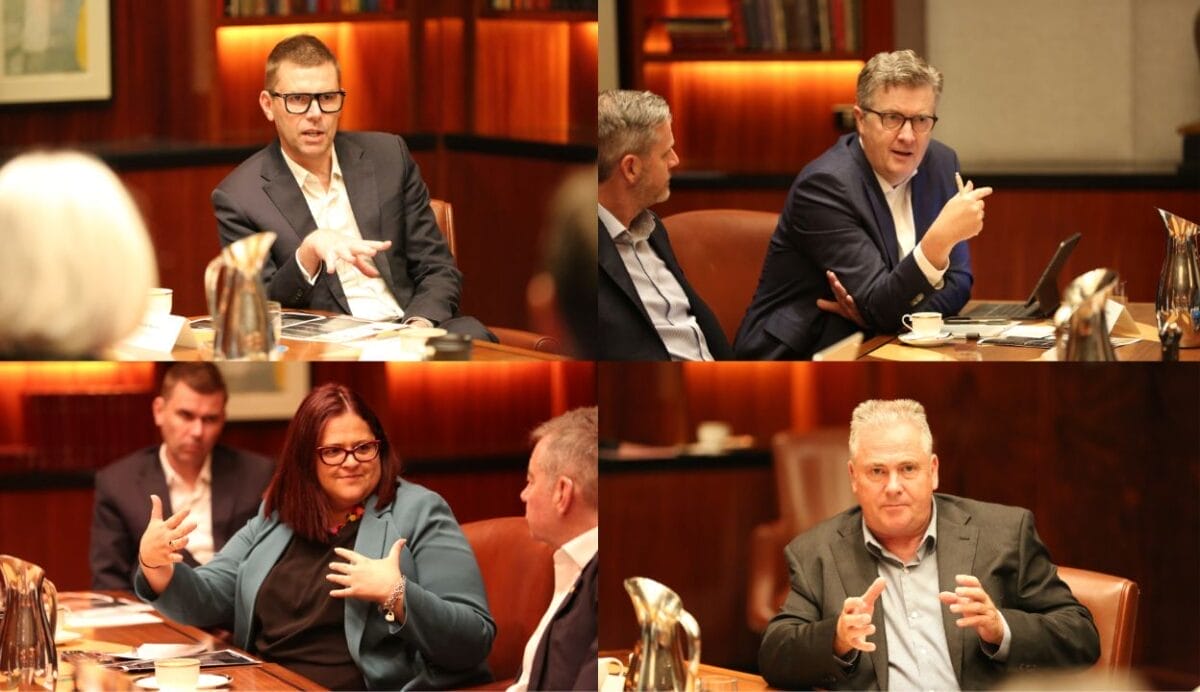
Greg Bright: Can I ask a question from an historical perspective, and it’s going to go to Chris Bain at the end of the table. What I’m wondering is what value-add there is from the funds managers’ point of view of investing in unit registry? Chris was one of the early partners of County, then County Natwest. When County was sold by the National Australia Bank, all they kept from it was the registry, which was called the CARS system. County was an interesting manager. It got itself up to $16 billion and had a lot of staff. It invested enormously in the infrastructure, but I think that it never made money so NAB kept the registry system, and then flipped the rest of the business over to Invesco. It’s interesting that they kept the registry, and they still have it. That’s their core system, I understand. It’s taken them ages to develop it. So my question is, from a funds manager’s point of view what’s the value of investing in that type of system?
Chris Bain: Let’s start by saying that you’ve got to keep complex records when you are managing investors’ funds. You don’t just need to know what the security was and when the person bought it. You need to know their date of birth; you need to know a whole series of data about it. And those complex record-keeping systems are made far more complex when you have to fit in capital gains tax details, et cetera, et cetera. So it’s a relatively complex set of data that needs to be kept. And the fund managers have to do this, and each of them typically came at it their own ways. Systems were either brought in from offshore for them or redeveloped, or they were built from scratch, or somebody built one and gave it to someone else.






Leave a Comment
You must be logged in to post a comment.