

The notion of the omni-register, where you knew a great deal about the client and fed data backwards and forwards to fund managers also changed it. Bryan Gray: Fund managers didn’t know where to go in those times. I remember having conversations with County NatWest back in the early ’90s and they were very keen to get rid of their back office, including the registry, and find someone who could take it off their hands. The problem is you end up with that system, and someone’s got to take it on board and someone’s got to try to leverage it and make something happen out of it. And I think the big problem was there was no-one around, there were no systems for a start that could run on a third-party sort of basis, and at the same time, no-one was prepared to offer it. The custodians were looking at it, but it wasn’t really something that they wanted to do.
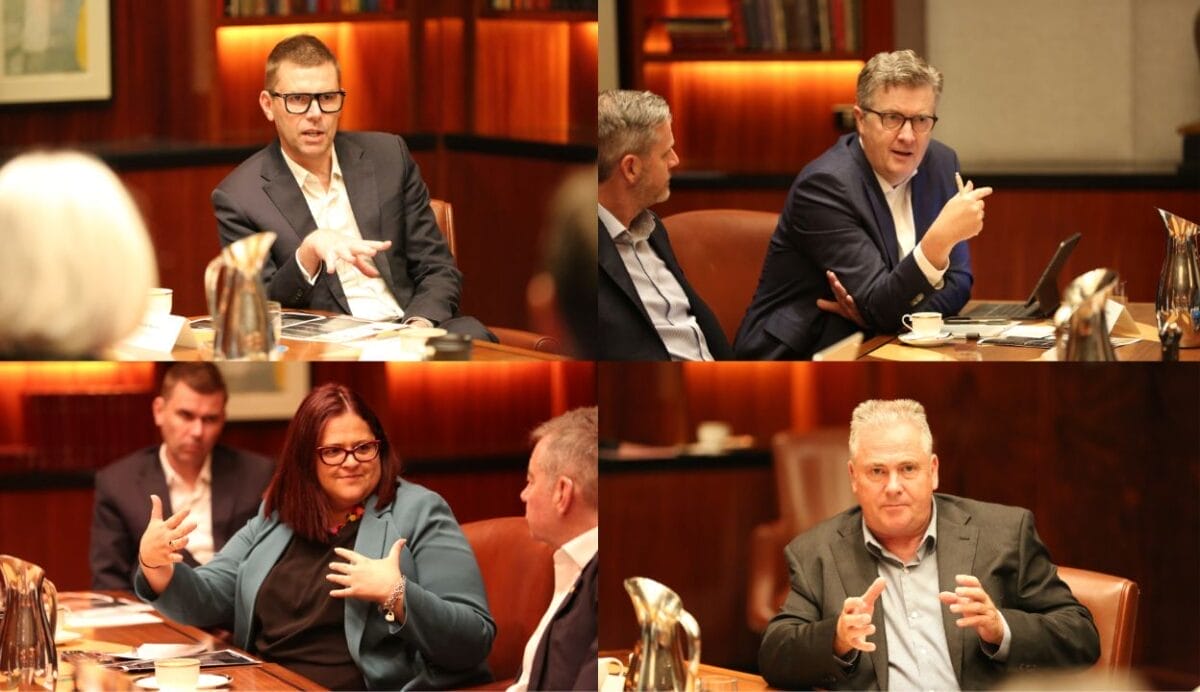
They were only going to do it because, you know, the managers didn’t want to be doing it themselves. So I think that’s part of the problem, was that there was this whole industry grew up with people doing it themselves because there was no alternative. Chris Bain: I agree 100 per cent. Never put down to malice or incompetence what you can just put down to gradual history. This business is maturing still. Computershare would still say the fund managers aren’t especially run by accountants, and the accountants are still run by people who think that the magic of investing, the capacity to add value is really important. And sometimes I think those people have a different business mind-set to what hard-nosed managers did. Michael Bailey: Are we able to hear from the managers that are here today about your own unit registry, whether you’re happy with what you’ve got, and could it be done more efficiently?
Mark Pratt: For an investment manager, I guess if you’re not one of the big four domestics who have a different distribution model than many others, it’s a question of what is your delivery mechanism to the end client and what’s it cost you? To the point you made, Bryan, I agree the choices available to many managers in the market are very limited. You know, the systems that are probably at the higher end are quite tightly controlled by people who spend a lot of time and money on them. It doesn’t leave you a lot of choice when you’re not one of those. One of the things we have been looking at is, are there systems available offshore that really do have the capabilities that you really need, because of the size of the offshore markets? But it’s a balance for those people as much as it is for us in terms of the business case, because there’s a lot of work that has to be done around the tax regime, particularly for the Australian market.








Leave a Comment
You must be logged in to post a comment.