

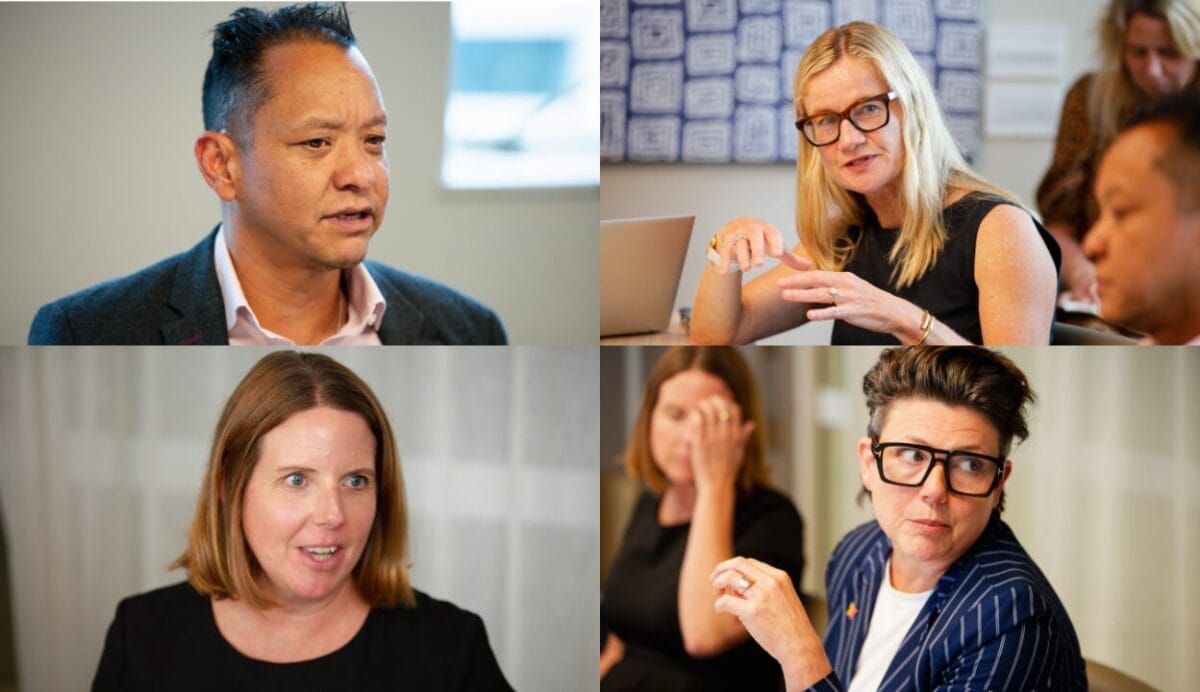
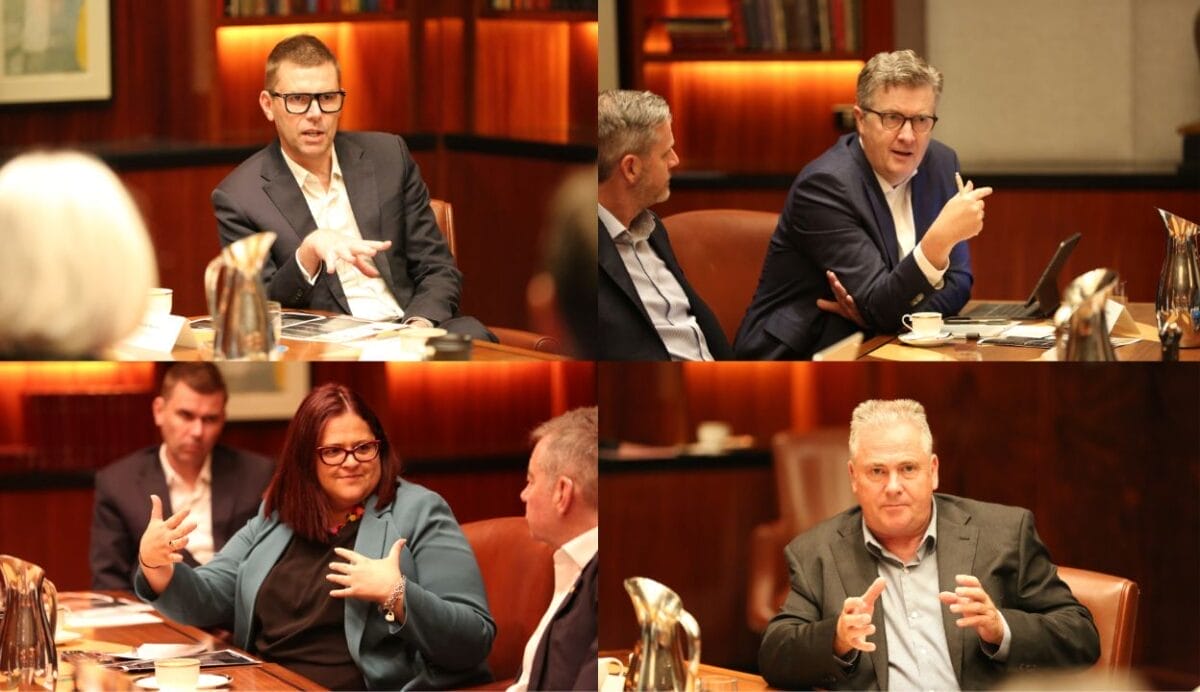
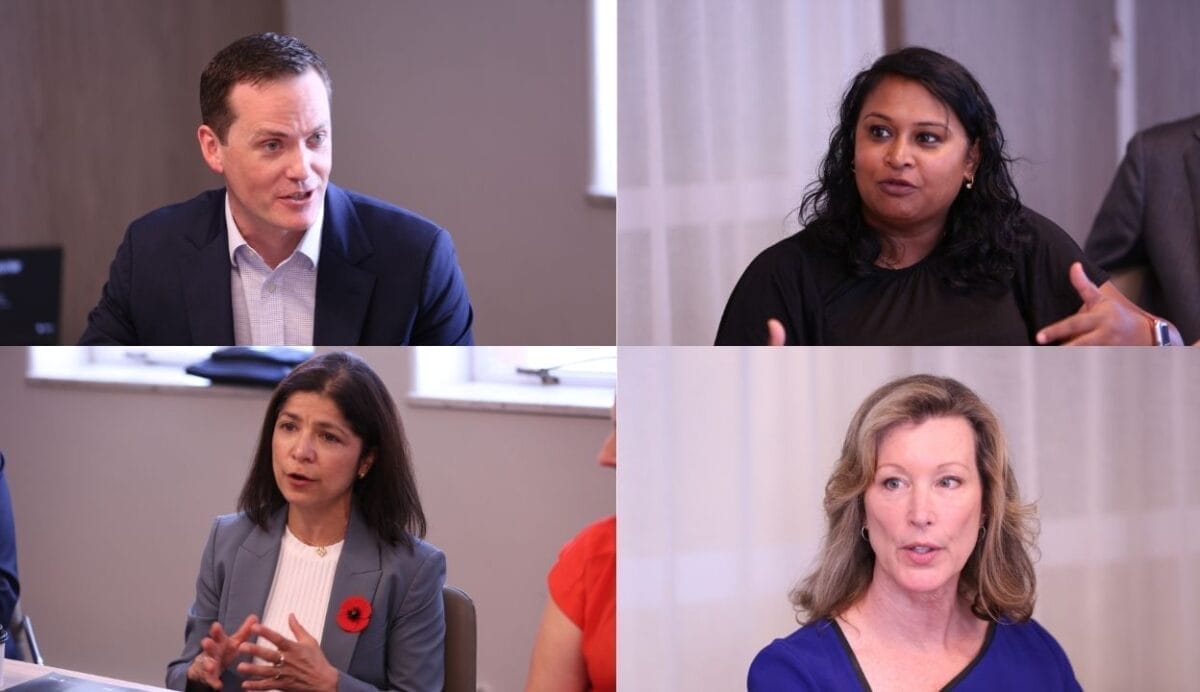
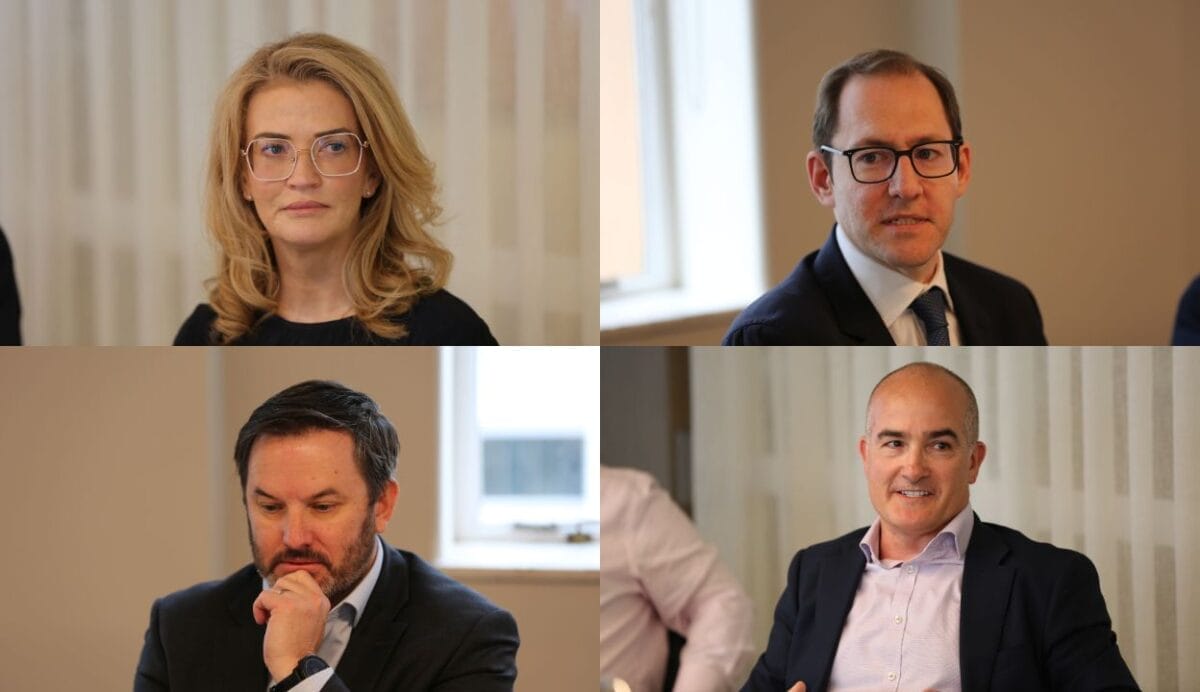
We can’t go, well, what does this impairment require that the other claim doesn’t? We’re trying to do this one stop shop by calling everything upfront, and hopefully something will be helpful, and actually nothing is helpful at the end of the day, except for maybe a couple of key issues. We should go back to case management and get the claimant’s statement and then decide what we’re going to need in terms of that particular claim avoiding over investigation. Peter Lewis: It’s a real balancing act between getting all the necessary information that’s going to enable it to go through without having to go backwards and forwards all the time, but then also meeting the compliance obligations, to position against future disputes around main claimers. So it’s not necessarily a science. It’s very much an art, about gathering all that information up front at the point of claim in a way that doesn’t upset the claimant, because asking for lots of information and filling out forms and getting all the information can heighten their distress. The people at the front line of the claims department need to be the most highly skilled in your teams and as an industry, I don’t know if we’ve put the required level of investment into that part of our operations that it warrants.
Kelly Cantwell: They’ve got to have insurance knowledge, but they’ve also got to know how to manage a relationship. And those skill sets are very, very different. Stephanie Phillips: You also need to be a counsellor, almost, in a sense. You don’t want to get too involved, you have to keep it to a certain level, but you’re dealing with people who are in a heightened state and distressed and very unwell, and it’s quite a difficult balance to get with claims staff. Michael Bailey: How do you handle that balance at Superpartners, Peter? The core of your company’s business is very process-driven, yet at the same time you have this growing insurance claims area. Peter McGarry: It’s about tailoring. Rather than forcing the claimants into our set process, it’s having a framework to allow our service to go to them. The person might not be ready to deal with you, just by virtue of what they’ve gone through, the devastation of the life event that’s caused the claim. It’s having the people to be able to manage that relationship, who’ll know when to say ‘Hey, back off here.’ But you also need the process, because one of the things I’m working on at the moment is fraud risk. The sums insured now are large. We’re moving towards electronic documentation.





Leave a Comment
You must be logged in to post a comment.