

The intended reduction of yields on short-dated securities contrasted with a sell-off at the long-duration end of the curve – for instance 30-year US Treasuries were yielding 3.5 per cent in August but at presstime last month were around 4.3 per cent. “Investors are scared about the inflation that QE2 might create over that longer horizon,” Palghat said. The boutique founder said Kapstream was working with clients to help them redefine fixed income as a defensive asset class, with an emphasis on tapping into coupon incomes strong enough to defray capital losses on bonds – which were quite likely once the “big daddy”, the Federal Reserve, stopped buying and yields picked up. The Kapstream absolute return portfolio now has no net fixed-rate exposure, with floating rates seen as the best was to attract capital growth rather than “locking in” low rates for most sovereign issues, which Palghat predicted will not rise for at least two years.
Investments
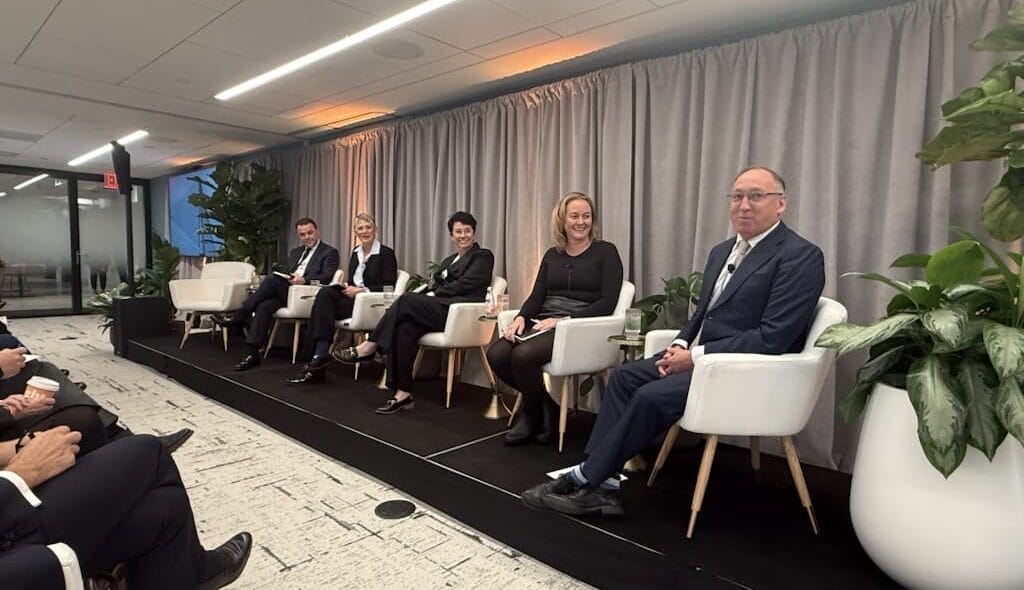
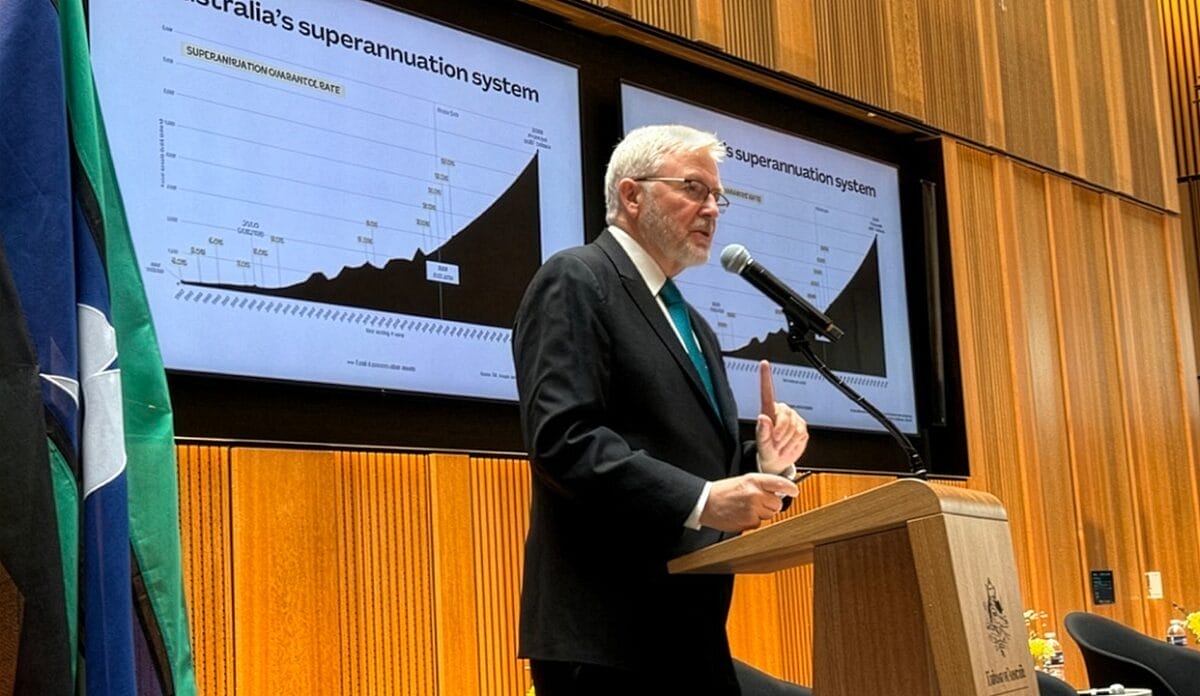
The outgoing chief investment officer of AustralianSuper Mark Delaney said one of the biggest regrets he will have as he leaves the $410 billion fund is not going overweight on the AI and digital thematic in public markets sooner, as the nation’s most powerful allocator reflects on the investment case of the technology sector in the superannuation summit in New York last week.





Leave a Comment
You must be logged in to post a comment.