

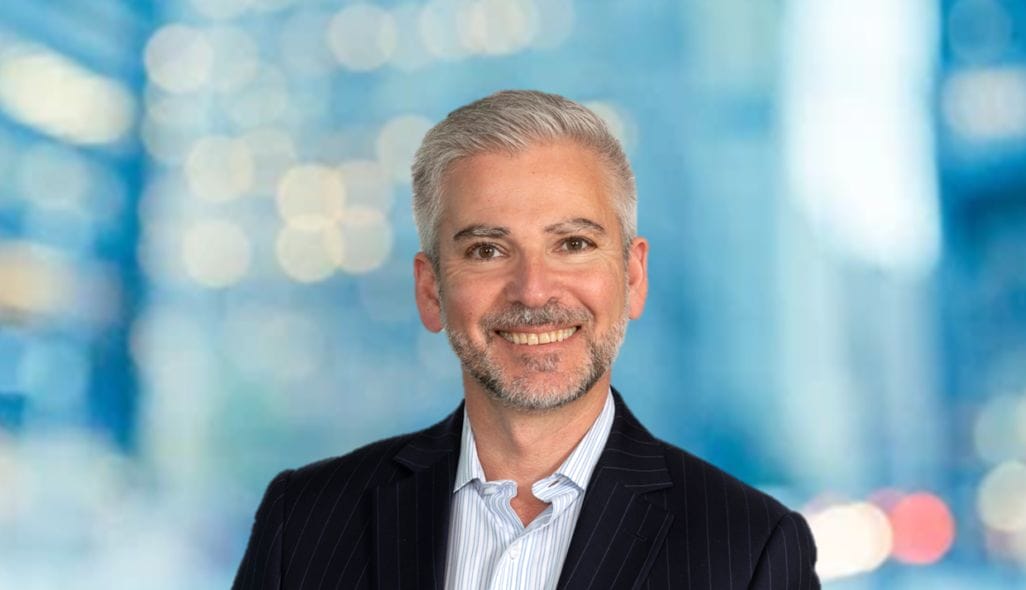
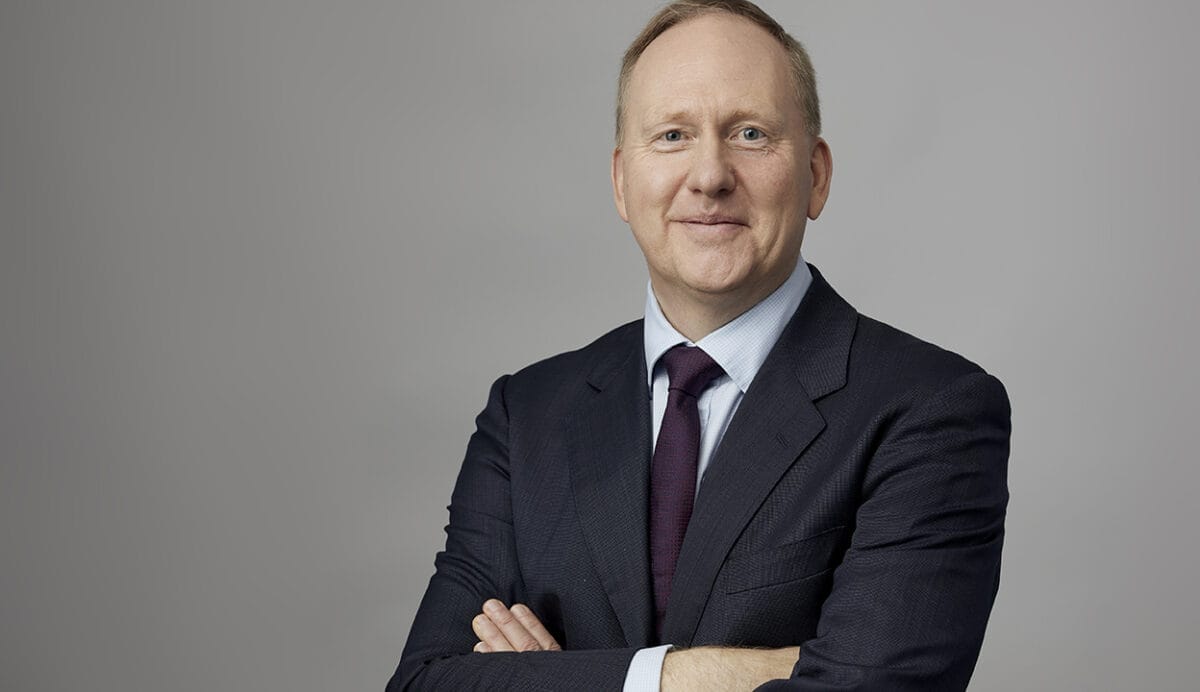
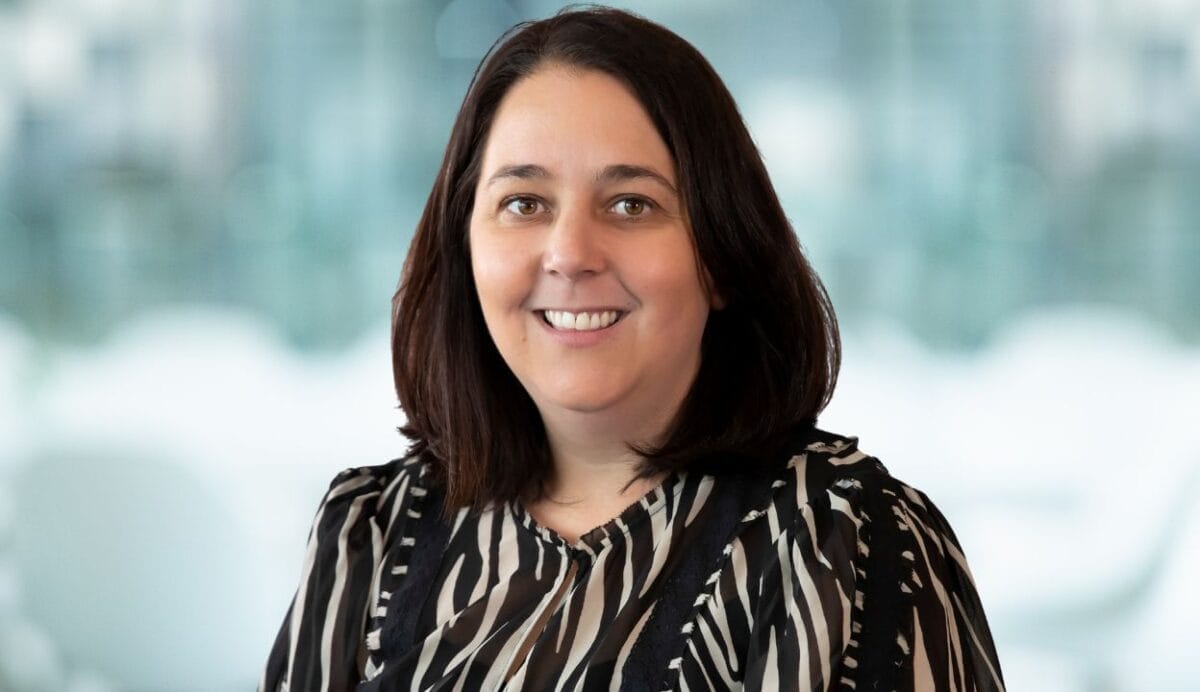
“Capacity is a real concern,” Liu says. “On one hand, we really are believers in hedge funds. On the other hand, we’re quite selective in that there are 10,000 hedge funds out there and we work actively with about 250 of these managers.” Even though clients’ hedge fund allocations have been filled – one invested US$1 billion in the strategies last year – there is potentially the problem of too little capacity, and Cambridge “wouldn’t feel comfortable going to the second best”, Snyman says. This makes it an imperative to find new talent. While the centre of gravity for the hedge fund universe is still Connecticut and New York, promising managers are emerging in Europe and Asia, particularly in Hong Kong. “It’s still nascent, but we are finding interesting managers, some of which have grown up and gained experience in the US and are now plying their trade in Asia,” Snyman says. “There is the challenge of capacity, but the opportunity set is starting to broaden globally.”
The new New York Liu is upbeat about the hedge fund industry in Asia. “Hong Kong seems to be the new New York. It is no longer considered a hardship outpost – many managers are deploying human capital out there.” Many of these new stars are former proprietary trading teams that have been restructured out of investment banks and reinvented themselves as hedge funds. The financial crisis, which forced underperforming managers to close, has made way for these newcomers. It has also driven consolidation, in many cases making the surviving managers bigger and stronger. Overall, these changes have been positive for the industry, Snyman says. “What attracts people to the hedge fund space are the fees they can charge.” Cambridge has seen a lot of managers – who are really long-only with a bit of indexed leverage but charge two-and-20 – leave the space, he says.
These managers stood in stark contrast to others which exercised astute risk controls, such as stop-losses and the flexibility to move into cash or gold. Since the crisis, Cambridge has more than doubled the number of operations-focused staff in its hedge fund team to more than 30 so that it can track managers’ counterparty relationships and processes. Liu says positive outworkings from the crisis include managers’ diversification of prime broker relationships, in addition to the trends of establishing custodial relationships and providing more transparent reporting to investors. “They have always been issues and will continue to be, but there have been some drastic improvements on those fronts. What we have seen is the hedge fund industry become a lot more institutionalised.”







Leave a Comment
You must be logged in to post a comment.