

Comparing growth investment options, in which industry funds invested 19 per cent of their assets in alternatives and retail funds 10 per cent, Chant found that industry funds incurred investment costs of 0.75 per cent each year – 5 basis points more than their retail competitors – but achieved a 6.8 per cent annual return in the seven years to June 2010 against the 5.7 per cent gained by retail funds. Meanwhile, a vanilla index fund, while being much cheaper at 0.38 per cent each year, delivered 6.3 per cent each year in returns over the same period. “Industry funds are in front, after taxes and fees. Why? Because they have active asset allocation and invest in alternatives,” Chant said. He said the MySuper recommendation primarily targeted retail funds, which manage about $362 billion. Major providers in this sector have responded by launching simpler products within the industry fund price range. But cutting exposure to active strategies in the pursuit of lower costs would negate the long-term focus of MySuper. “Do we want low-cost, indexing options when we have a body of evidence that [shows] active management has served the majority of Australians well through industry funds?” Chant asked.




Alternatives
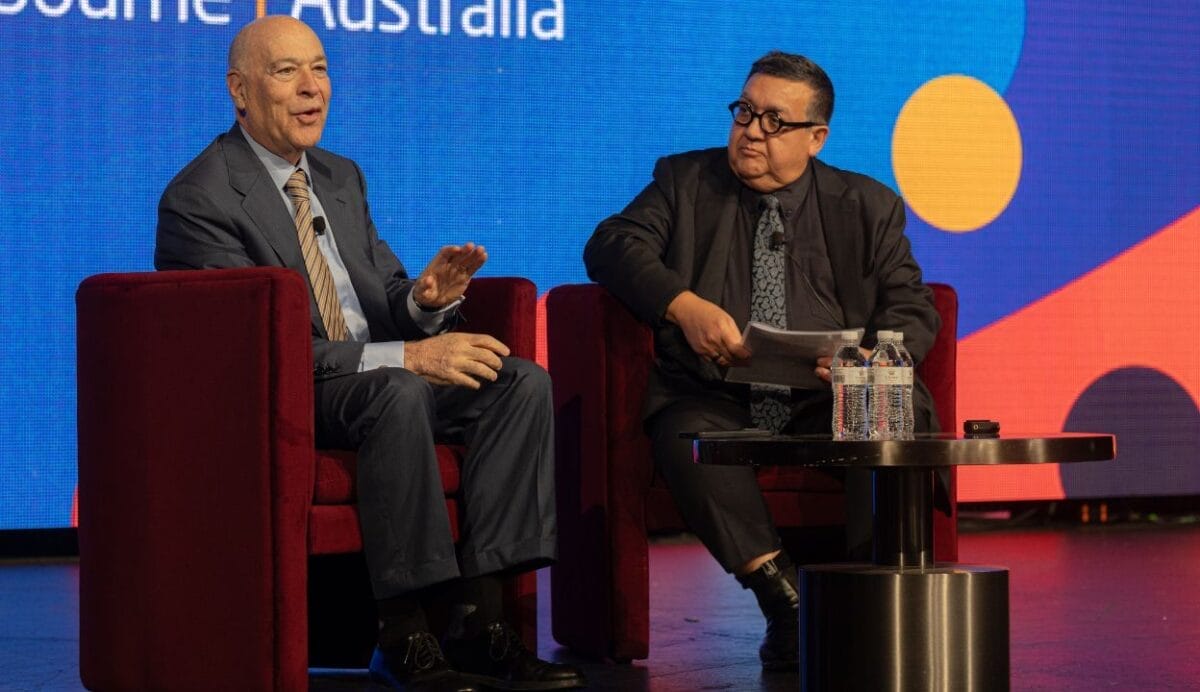
The chief investment officer of the $150 billion industry super fund says that Hostplus’ portfolio will weather the ongoing downturn in software companies and that moves by a number of large private credit managers to gate their funds are a result of the asset class being offered to retail investors who should not have assumed the funds would be liquid enough to get money out when everybody else is trying to do the same.





Leave a Comment
You must be logged in to post a comment.