

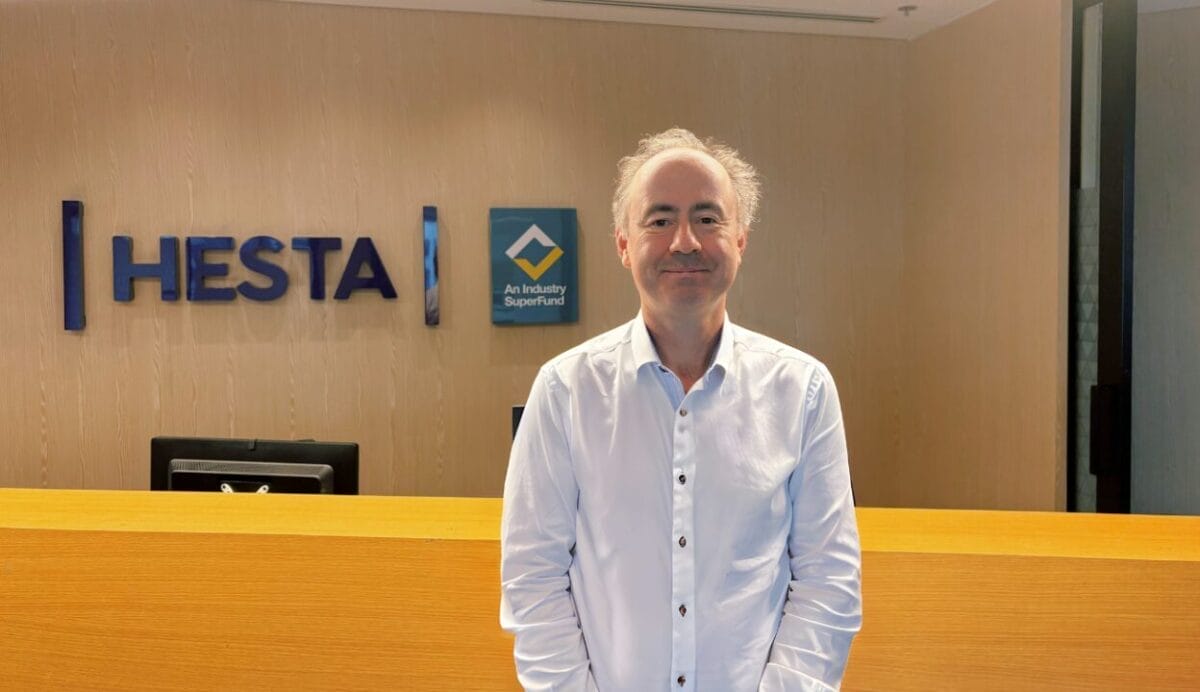
The craggy face of Peter Fowler, chief operating officer of Chi-X Australia Ltd., betrays many late nights. The Bow East End of London native is focused on getting Chi-X’s technology working.Brokers believe Chi-X may take as much as 15 per cent market share from the Australian Stock Exchange Ltd. within 12 months of its October opening.
Fowler hopes by offering technology that is advanced and easy to use liquidity will come to his platform. Chi-X will not reveal its pricing. But Chi-X’s European prices where it pays both liquidity providers and charges liquidity buyers show why it has become a significant exchange in a short period of time.
In Europe those that offer liquidity to Chi-X’s platform, shares to buy or sell, are paid 0.002 per cent of the total value of the trade. Those that take liquidity are charged 0.003 per cent by Chi-X . Chi-X’s profit is 0.001 per cent.
The ASX charges brokers that execute both sides of a trade 0.0015 per cent.
UBS AG, the broker with the largest market share of Australian share trading at 13 per cent, and Citigroup Inc., with 12 per cent, are among 15 brokers that have signed up to do business with Chi-X.
But brokers that provide liquidity to Chi-X will only get paid if they are hit with orders. Chi-X hopes the best bid or offers will migrate to it causing bid-ask spreads to narrow, generating a virtuous cycle for the exchange.
The ASX has upgraded its trading systems four times since 2006. Eight years ago an order was executed in 25 seconds. Now it is 250 to 300 microseconds.
Chi-X is nearing completion of its primary and backup data centres. Fowler says Chi-X Australia will be the first venue in Asia to implement a 10 gigabyte local area network. It has also low latency firewalls.
“We are expecting to be very competitive to the times the ASX has quoted,” says Fowler.







Leave a Comment
You must be logged in to post a comment.