


Political influence
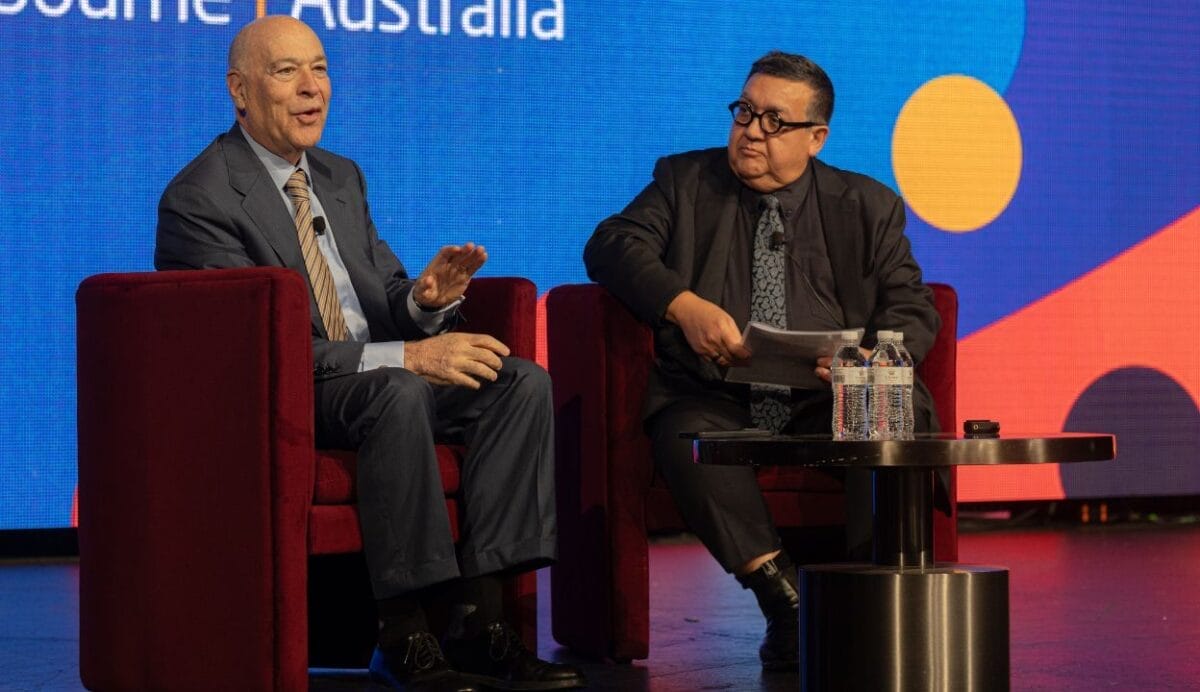
Sperling says the impact of new US, UK and European financial policies on consumers is still unknown.
And this policy “overlay” is the strongest he has seen in his 37 years managing private equity assets. It combines with the higher cost of debt and tough operating conditions for portfolio companies to create a harsh environment for buyout managers.
He says this tests the investment and business management skills of private equity managers. “We would rather be in an environment when debt markets are not phenomenal because it works to the advantage of people who have been around for a long time,” he says.
Like other private equity firms, THL is confronted with banks that are more reluctant to lend capital. However, Sperling says the firm has access to debt through its strong relationships with senior executives at a “cadre” of banks. Nevertheless, restricted access to debt is not a bad thing for the industry.
“We would rather have less leverage and pay a lower price than have a much more leveraged capital structure and pay that to the seller,” Sperling says.
The collapse of Lehman Brothers did not provide buying opportunities because many companies were able raise capital as the US high-yield bond market strengthened.
The “unexpectedly low” cost of high-yield debt with maturities of seven to 10 years, made possible as the US Federal Reserve dramatically cut interest rates, allowed companies to restore their balance sheets, Sperling says.
“It took away some of the pressure for companies to sell cheaply,” he says. THL itself refinanced its portfolio companies through the high-yield market.
Dry powder
About 30 per cent of the capital raised by THL for its last fund, which was completed before the financial crisis, is still at its disposal. But it is not the only buyout firm with “dry powder” in reserve: about one-third of the $650 billion raised in 2008 remains uninvested, according to Preqin.
Managers are under pressure to invest this capital to provide timely returns to clients and avoid seeking extension clauses. But it is difficult to find great investments, as this volume of capital drives asset prices higher. “You can’t be vanilla in this environment,” Sperling says.
“We look for complex situations that the market doesn’t fully understand.” These companies usually have multiple lines of business and can be restructured to focus on their strongest competency, he says. Each company accounts for 4 to 6 per cent of a THL portfolio.
“None of us are smart enough to know which company to overweight,” Sperling says. The companies are headquartered in North America but have revenue streams that collectively extend to 200 countries.






Leave a Comment
You must be logged in to post a comment.