


About 70 per cent of Plum members have chosen how their money is invested, he says.
Setting investment objectives
MLC Nominees and PFS Nominees set investment policy rather than shadow MLC investment executives to make investment decisions.
“You don’t want to make decisions that you don’t have the competence to make,” Morath says.
In 1985, when MLC began multi-manager investing, the investment team was empowered to hire and fire fund managers. Today, it is responsible for all interactions with managers, including mandate design and performance monitoring. “We don’t meet the individual investment managers,” Morath says. This contrasts with other trustee boards that sign off on new investment mandates.
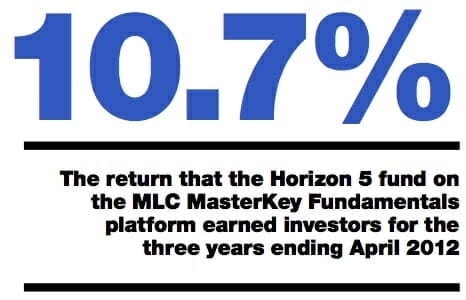
“What we set are the investment objectives for the team.”
The task of a trustee board, according to Morath, is to set investment rules and challenge the team’s ideas. MLC set inflexible asset-allocation bands in the early days of running multi-manager funds. The constraints were relaxed during Chris Condon’s 12-year tenure as chief investment officer from 1998. In this period the investment team won freedom to invest more or less capital in securities as valuations changed and to make currency-hedging decisions.
Retail fund transparency
Calls from industry associations for more public disclosure about the experience, pay and obligations of retail superannuation-fund trustees resonate with Morath.
“I absolutely agree 100 per cent. Members are entitled to that,” he says. “We’re going to do it. We’re going to disclose trustee salaries and the number of meetings each director attends.”
Half of the directors of MLC Nominees, including chairman Geoff Webb, do not hold management positions within the group.











Leave a Comment
You must be logged in to post a comment.