


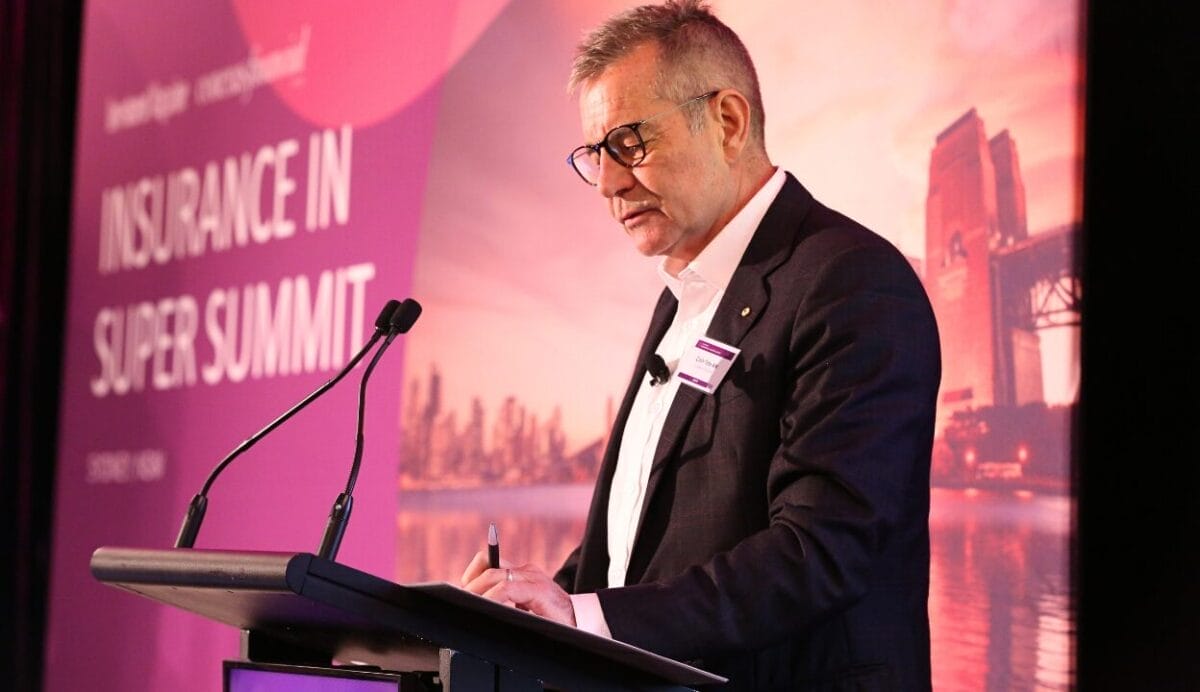
Self-managed super funds are more likely to contract than expand over the next decade, making them no threat to superannuation funds, says Equipsuper chair and superannuation lawyer at DLA Piper, Andrew Fairley. He believes predictions that numbers will increase dramatically are unfounded.
“If I look over the next 10 years, I think we’re going to see the same sort of cycle in the SMSF numbers and participation rates as we saw in the 90s,” he tells IM Online.
Fairley says the early 1990s saw a peak in the number of SMSFs, but it became “fashionable” for financial advisers to roll people into master funds, which led to a drop in take-up.
“We saw a dramatic reduction in the number of SMSFs as they invested and rolled benefits back into master trusts run by the big insurers.”
Affecting factors
Fairley argues several factors will affect the growth of the SMSF market, including the cost of running one, which can prove prohibitive, making them less attractive in the long term. Many SMSFs hold less than $500,000 and, once in “payment mode”, the amount of assets will be reduced.
At Equipsuper, where all-up cost is about 85 basis points on a $500,000 balance, it amounts to approximately $4000 in costs.
“I’ve spoken to a few of my colleagues in the accounting firms, and if you just have a vanilla SMSF, you’re talking overall costs of $3500 to $4000 and as soon as you put any complexity at all, with units or property investments geared, complex share portfolios with dividend payments and so on, then you’re well over the $5000 in costs,” Fairley says.
He also argues that demography will have an impact on the take-up of SMSFs, with younger people finding it increasingly difficult to get large amounts of money into superannuation due to the contribution caps.
“The people with large amounts are relatively older. As they get older and as they approach 60, or even 55, they’re going to be starting drawdown assets. As they do so, there’ll be less in the fund to be able to carry the sorts of costs that are associated with running SMSFs.”
Regulation, which Fairley says has been quite light compared to the APRA regulation of prudential standards, is also likely to increase.
“I’m not sure where, I’m not sure how, but as the costs increase, so it becomes more onerous to run them and so they’ll become more marginal.”
Return envy
For Equipsuper, the number of people rolling into SMSFs has fallen dramatically.
“I think people have looked at our investment returns and thought ‘how on earth can I better that?’
“They can put it in cash or fixed interest and they’ll get a guaranteed return.”
Fairley says SMSFs were probably able to beat performance over the last few years when Equipsuper struggled with growth-portfolio performance due to equities. But he says with spikes in the market and the start of market recovery, sitting in fixed interest means “you’re on the park bench”.
“And I think that now that we and many other funds have got the capacity to actually construct portfolios within our fund, that can enable people to actually put together their own share portfolio if that’s what they want, they don’t actually need to be in SMSFs.
“I qualify that by saying there are very many people who love doing it and who want to go into property, and who want to gear property… and have their premises owned by an SMSF, which they rent to their business and so on. And that’s where they should be. But that’s not the half a million.”









Leave a Comment
You must be logged in to post a comment.