
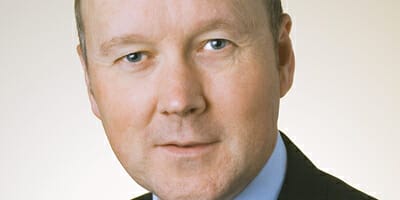

Vision Super has stated a desire for a “transformational leader” in the appointment of the general manager of Super SA as its new chief executive.
Stephen Rowe, who joins in January, will take over from Peter Rowe who has acted as interim chief executive of the $7bn fund since August 2012.
Rowe was chief executive of the $16.7 billion south Australian public sector scheme for four years and prior to that spent seven years as the chief executive of First Super.
A statement released by the Vision Super board cited Rowe’s “considerable operational and strategic experience” as making him well placed to “strengthen its position as a leading industry fund”.
Peter Wilson, chair of the fund, said: “The board is confident that he will deliver an innovative, results-oriented, strategic vision to Vision Super and will be a transformational leader.”
The new chief executive will be tasked with developing its partnership with advice network, Quadrant First, into which it is hoping to lure other funds. The network currently enables four funds to share a licence, compliance and governance structure, but to retain their own advice staff in house.
Another priority is the development of its pooled superannuation trust (PST). The fund is weighing up whether to open up its investment services to other funds or to open it to self managed super fund investors.
Peter Rowe, who applied for the role of permanent chief executive, will now return to his former role as chief operating officer.
In a separate development, Debora Jackson has stood down from her role as chief executive of TWUSUPER with immediate effect. The Chairman of TWUSUPER, David Galbally AM QC, said she had resigned for personal reasons. Frank Sandy, current chief financial officer of TWUSUPER chief financial officer has been appointed to the role of interim chief executive.








Leave a Comment
You must be logged in to post a comment.