


Produced in partnership with Allianz Retire+
Just a few short decades ago retirement was a clear moment in time, when the final day of work rolled around after 40 years with the same employer and only then – after the farewell party and clutching a cheque from a super fund – the freshly minted retiree went looking for help on what to do with the money and with the rest of their lives.
It could not contrast more starkly with how retirement occurs today, when it is increasingly likely to be a transitional period, and less likely to be at the time or for the reasons people necessarily expect. Communicating with members at a younger age about retirement and the choices they will face is becoming more important and is shaping how funds craft retirement solutions.
For a growing number of super fund members, retirement will be approached through a series of well-timed nudges; supported by information, guidance and advice backed by data; and reached after multiple interactions with a super fund over several years.
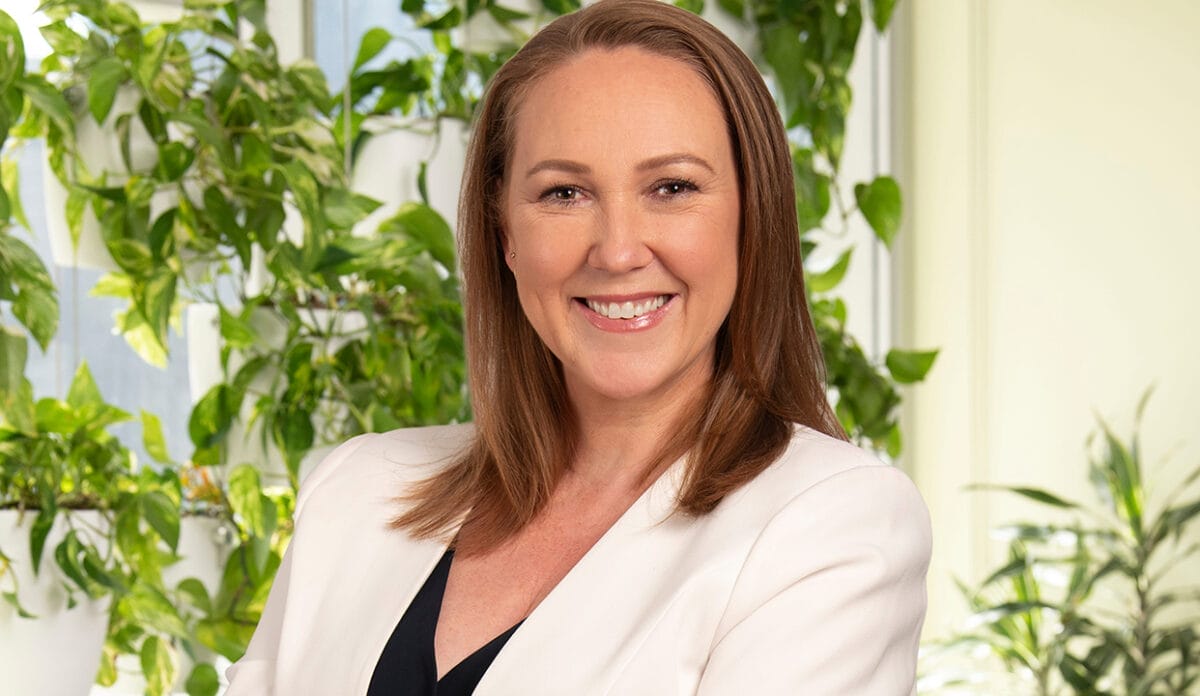
Allianz Retire+ head of group retirement Catherine van der Veen says the progress super funds have made in helping members into retirement, even just in the past three years, “has been astronomical”.
“Honestly, from where we’ve been to where we are, there’s been a huge step-change from the funds, notwithstanding there’s more to do,” van der Veen says.
“We’ve been really impressed by those [funds] that have leaned-in to prepare their members for retirement. We are seeing many [funds] that are taking concrete steps which we think are adding value and gaining traction for members.”
Communicating earlier
Van der Veen says funds are communicating with their members about retirement – what it might look like for them and what they need to know about the transition – far earlier than in years gone by.
“That aligns to when members start worrying about retirement,” she says.
“We know through our research that members do start to worry in their early 50s. It’s long before the point of retirement, and whilst they feel quite confident about the balance that they’re building up – they feel good about that, they’ve worked, they’re starting to accumulate this nest egg and they like that – the seed of worry in a member’s mind is: is that going to be enough? When can I retire? How long will this money last?”
A survey of more than 800 members of Bec Wilson’s “Epic Retirement” community, commissioned by Allianz Retire+, found that almost three out of four retirees believe “having an income for life” is their number one priority. Income certainty gives retirees the confidence to spend and enjoy retirement, safe in the knowledge that they have the financial ability to maintain their lifestyle and optimise health and wellbeing.

The survey, designed to glean insights about retirees’ financial confidence, retirement planning needs and understanding of retirement concepts, also found that almost three-quarters (72 per cent) of respondents expected to live beyond 85. Previous surveys elsewhere have indicated that members’ expectations of the length of their retirement is significantly lower than current life expectancies. The study shows that the education around true life expectancies that the industry has invested in is bearing fruit.

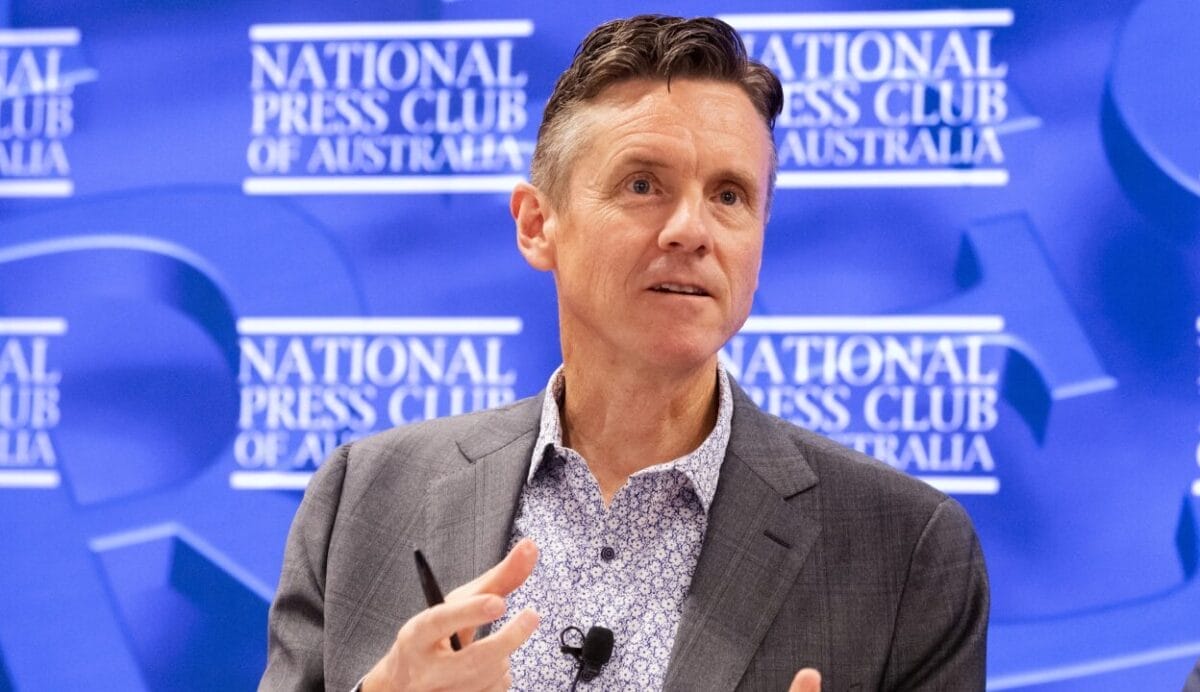
Allianz Retire+ head of group retirement Lucy Foster says the good work funds have done for members through accumulation has laid a solid foundation for the move to thinking about retirement issues.
“They’ve done a great job in anchoring all of us to two things in accumulation: fees and performance,” Foster says. “We all get it. So, the good thing is, going into retirement, members trust their superannuation funds which have delivered strongly for their members in accumulation.”
Foster argues that super funds already have enough information about members to make reasonable decisions about member cohorts and delivering the right messages.
“You can make a pretty reasonable judgment that most members will be better off with a partial allocation to a lifetime income product, compared to an account-based pension only strategy,” Foster says.
“Maximising your age pension is paramount, anchoring the [retirement] value proposition around maximising growth in retirement; maximising the rate they can take their income, and some of that can be guaranteed. “There is a world where we’re starting to see superannuation funds take a very benefits-led, members-led view around how to anchor the value proposition and keep it super simple for retirees.”
One area where insights might be thinner include household and partner data, van der Veen says, but even that is not an insurmountable hurdle.
“We’re starting to see some funds gather that data through member tools and calculators.”
Outcomes, not features
Van der Veen says that when funds engage with younger members the messaging should be about retirement in terms of outcomes, not in terms of product features or designs, and then “through a series of engagements with the member, slowly warm them up to these options that are going to be presented to them”.
“We’re not going to keep them in the dark and then reveal all these choices at age 67.”
“You’re going to start to see from those earlier ages we’re going to start to reveal to members, ‘Hey, you’re on track; work, continue to save; your future income might look like this’.”
“There’ll be this warming up of members, and then at the point of reveal or choice, it will feel a lot more natural and simpler to them, because we won’t be talking them through a product, rather a series of outcomes.”
It’s also important not to overwhelm a member with choice as they near the end of accumulation.
“Where we’re seeing progress in the industry is moving from members coming out of a balanced fund and having a menu of choices and leaving them to it, and putting all the information in their hands, to a world where some funds are really thinking about, well, let’s narrow down the universe of choices for members and make those choices very simple, and not make those choices product-led, but to make them outcome-led,” she says.
Digital tools, intra-fund advice and nudges
There’s a range of methods funds can use and are using to engage with members earlier to help them think and make better decisions about retirement, including the place of lifetime income streams which can take many forms. These include digital tools, intra-fund advice teams, and nudges.
“That’s all adding a lot of value to members,” van der Veen says, and the industry also realises that it needs to cater to members who cannot or will not engage with nudges or advice.
“Communication still has to be simple enough for members who haven’t been on that journey [and] consideration needs to be given to members who do not engage. What is the default for them? Currently it is staying in an accumulation account indefinitely.
“And so, we’ve started to see testing results that show digital experiences, using some fantastic tools that have come to this market, that help a member on that journey without the need for comprehensive financial advice.”
Van der Veen says funds will still need to cater to members who “want to pick up the phone or talk to someone or get more information, but this will increasingly be to validate choices that they’ve made with the aid of digital tools, rather than starting an advice conversation from scratch”.
“These tools and this process will start to become quite seamless, quite normal and natural to a member to go through,” she says.
“I use an example of shopping for an iPhone. The complexity in that system would boggle the mind, but they reduce it down to quite a simple set of choices: model, memory, size, pro or standard, what’s your colour?”
Van der Veen says a lot of thought goes into the choice architecture and presentation of the default option, to simplify the experience for most, while still giving a lot of choice to the few that want to customise to a higher degree or dig into the product features.
“[Retirement] choices will become that simple,” she says.
“I don’t need to know the mechanics of the operating system, but I need to trust my fund that what they’re putting to me is robust.”








Leave a Comment
You must be logged in to post a comment.