


A ”silver tsunami” of 3.6 million Australians will be retiring over the next 10 years, with a massive shortage of advisers to service them, but not everybody needs comprehensive advice, according to UniSuper CEO Peter Chun.
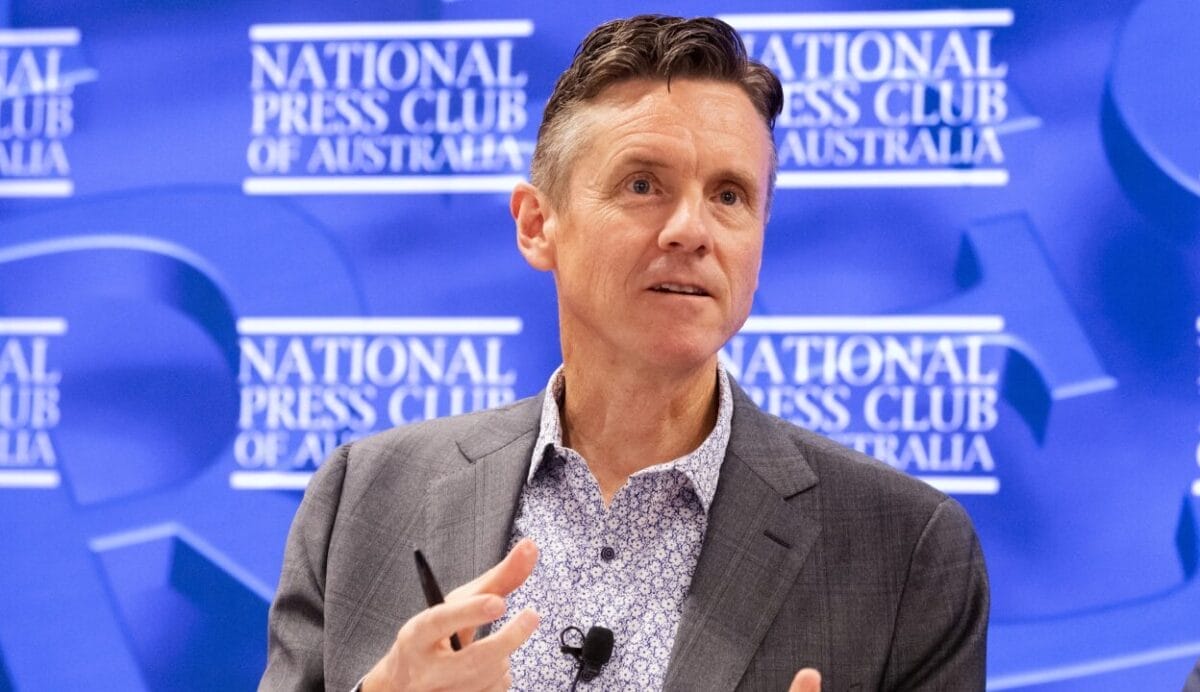
“I think there’s a fantastic analogy around healthcare with what we’re trying to achieve: if someone has a headache they don’t, to start with, go and see a surgeon,” Chun told Financial Services Council’s Shaping Advice in a Time of Change event.
“They might go to a chemist and get some pain relief, or go to a GP to get treatment. It’s about doing the right thing at the right time.”
For UniSuper’s 650,000 members – it expects 100,000 of them will retire in the next five years – the “right thing at the right time” might not be comprehensive advice, but a nudge into or out of a product.
“It’s not advice – it’s the right info at the right time so that the consumer can make a better decision,” Chun said.
“One of the things that’s really critical is that if we can get more people engaged – whether it’s a nudge, whether it’s getting guidance – it will create more comprehensive advice down the track. I absolutely believe that. Otherwise they’ll never take that step.”
A centrepiece of UniSuper’s retirement thinking has been the so-called “missing middle” – the section of the population that is unadvised but which will be unable to fall back on social security programs like the Aged Pension. But the problem, according to AMP CEO Alexis George – is that they are getting advice.
“They’re getting it from their mother’s uncle’s brother’s sister, or Facebook, or TikTok or something else,” George said.
“I hear that myself from my friends – the doctor in the hospital told them XYZ. But that’s the reality, and I think we have a real obligation to solve this problem…and we’ve spent a lot of time rebuilding trust in advice and I really do not want to see that destroyed.”
Given the cost of advice and the regulatory settings that hamper super funds from providing it to members in even its most basic forms, it’s not surprising that voices from outside the traditional financial services have rushed in to fill the vacuum.
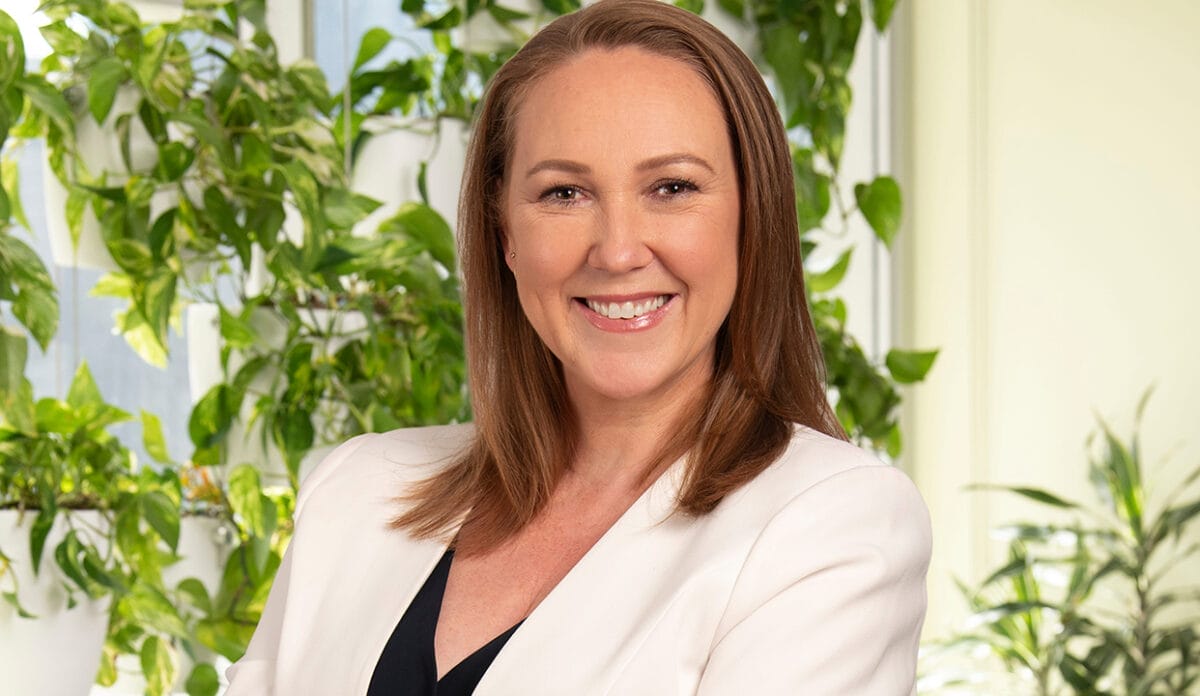
“We know [a lot of] Australians are not financially literate, and I think as a super fund or even an insurance company, being able to give some basic guidance would actually help that,” George said.
“Typically, 19-year-olds should be in higher growth assets, right? They’ve got to work for another 50 or 60 years. So I think we’ve got to be able to do that without spinning out a 30-page SOA.
“And as we move through the requirements of the customer, we have to be able to direct them… but if someone’s got $120,000 at retirement, there’s not too many options available to them. They’re not going to spend $4200 or whatever the average advice fee is today for comprehensive advice, and they probably don’t need it. I think we do need to be open to the idea that there are different horses for different courses, and I don’t think anyone really disagrees with that.”
Chun said that the Delivering Better Financial Outcomes reforms represented a “once in a lifetime opportunity” for super funds and financial advisers to work together to solve for the missing middle.
“This topic of making sure people get the right advice – [Alexis] is right; people will go to Facebook, people will go to TikTok. We don’t really think that’s good. So how do you get the right advice from a service provider?
“And a really big callout to the guys at the Conexus Institute* – they put out a piece that said some advice [is] better than no advice. We’ve got to design it so that they get a better outcome. When we say they don’t get advice, I think we’re implying they’ll do stupid things and that will lead to worse outcomes, whether it’s Facebook, whether it’s TikTok.
“I think that’s a good lens or principle to work from because I do think there’s a lot of noise around ‘we’ve got to stop the advice being given because of x, y, z, but the counter is that they’ll actually do worse – that they’ll do really poor things to themselves.”
* The Conexus Institute is a not-for-profit think-tank philanthropically funded by Conexus Financial, publisher of Investment Magazine.








Leave a Comment
You must be logged in to post a comment.