


The Australian Securities and Investments Commission and Australian Prudential Regulation Authority are open to “regulatory sandbox” projects to promote innovation in financial services, especially on the pressing issues of retirement solutions and advice.
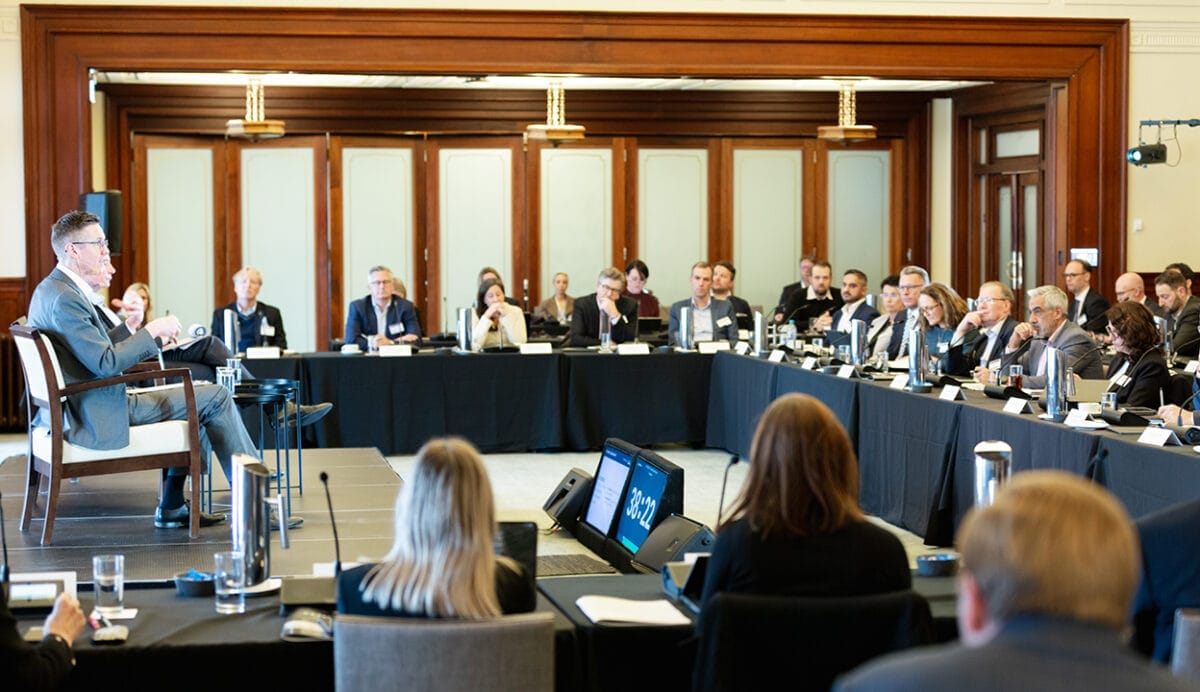
In an interview with Investment Magazine following her speech to the Conexus Retirement Leaders Summit at Old Parliament House Canberra last week, APRA deputy chair Margaret Cole said the super and advice sectors need to embrace a “can do” attitude towards product and service innovation.
“I’m a very non-typical regulator because I believe in risk taking, I do believe that’s what businesses are supposed to do,” said Cole, who was formerly a senior official at the UK Financial Services Authority and general counsel at PwC in London.
“There are parameters for that, and regulations are very important, but sometimes there is a hugely conservative ‘can’t do’ approach when a ‘can do’ approach with businesses is better and might not incur the scary problems that people sometimes hide behind.”
Participating in the same conversation, ASIC Commissioner Simone Constant agreed, saying she rejected the argument that “compliance won’t let me” innovate or pursue a project deemed to be in customers’ or shareholders’ best interests.
“I’ve heard it [blaming regulatory compliance] all my career, including when I’ve been right at the forefront – and I really challenge it,” said Constant, who worked in the private and public sector before being appointed to the role by Treasurer Jim Chalmers in 2023, including stints at the Commonwealth Bank, NSW Treasury and in asset management.
“I would challenge you… have you really stretched yourself before you go to the ‘Oh, compliance says no, computer says no’?
“I’ve been a victim of learned helplessness in my career. It’s probably a time when you go ‘Oh, I should freshen up and maybe look at another perspective’, because the opportunity here is extraordinary.”
Asked whether they would consider implementing more formal regulatory stances to encourage innovation – such as a “sandbox” approach, which allows firms to test new products or ideas with consumers under the protection of some regulatory enforcement limits or relief – both said they were open to the idea.
“Hailing from the UK I’m a fan of the sandbox,” said Cole. “It’s served the system well there, I think. It’s not the solution to all problems, but yes, it’s a safe environment in which to experiment. But, of course, that’s easy to say and hard to put into practice.”
Constant added: “Like Margaret, I’m open to the concept of sandboxes, very open to innovation and competition and have sat where you sit for more of my career than I’ve sat here.”
Treasury was contacted for comment.
End of an era?
The revelations were specifically in relation to encouraging superannuation funds to provide more compelling retirement income products and advice services to members, which both regulatory agencies have been calling for over the past few years.
While ASIC chair Joe Longo has previously taken issue with an overly cautious or “hollow” compliance culture in the financial services industry, the comments of Cole and Constant take the critique much further and raise the spectre of expanded sandbox programs that super or advice providers could become eligible for.
ASIC has previously operated a ‘sandbox’ approach allowing fintech start-ups to operate for up to 12 months before they were expected to obtain a financial services licence. APRA is not understood to have ever embarked on a sandbox approach, although it reportedly considered and ultimately rejected the idea back in 2017 when it was floated as a potential tactic to boost competition in the banking sector.
By contrast, comparable countries around the world have embraced sandboxes as a key plank of their approach to financial regulation, such as the UK Financial Conduct Authority’s “safe space” approach referenced by Cole; the DIFC Innovation Hub in Dubai; and the widespread fintech sandbox implemented by the Monetary Authority of Singapore, which has no fixed term limits and includes fast-track approvals, praised by entrepreneurs around the world.
Nonetheless, the openness of both ASIC and APRA to the approach reflects a change in tune following a period since the Hayne royal commission in which enforcement activity – especially formal litigation before the courts – has been seen as the guiding principle of both agencies (both of which were criticised by the commission and multiple parliamentary inquiries for being too soft on the big banks at the time and favouring wrist-slap mechanisms such as enforceable undertakings).
Curiously, the comments come ahead of the federal government’s Economic Reform Roundtable in Canberra this week at which ideas to boost productivity are being canvassed.
Sources with knowledge of regulatory agency operations have speculated whether the Treasurer Jim Chalmers or senior Treasury officials may have formally or informally nudged the two financial regulators to adopt a more business-friendly stance as part of the push towards a more productive economy.
A spokesperson for APRA said the agency has not received any revised “statement of expectations” from the government since the election, with Chalmers’ statement regarding APRA from 2023 still standing.
A spokesperson for ASIC separately said it also had not received any updated mission statement since the election, with the agency still operating under the statement of expectations issued by the Morrison government in 2021.
Treasury was contacted for comment.
‘Risk acceptance process’
The interview followed morning sessions at the summit, a joint initiative of Investment Magazine publisher Conexus Financial and its philanthropically funded think-tank The Conexus Institute.
Speaking under the Chatham House rule, a number of large super funds admitted they have been experimenting with forms of digital advice rather than waiting for the government’s Delivering Better Financial Outcomes legislation to be passed, earning praise from Cole.
“I felt it was encouraging this morning hearing some of the participants talk about their own risk appetite, how they’ve gone through a risk acceptance process,” she said. “That’s what businesses in all other areas do as well. There are regulations covering many, many areas.”
However, a number of other funds and experts argued that the notoriously complex financial advice laws continued to present a major impediment to innovation, especially the High Court verdict in ASIC’s dispute with Westpac/BT Super, which ruled funds will be deemed to be providing personal advice wherever a consumer presumes that is what they are receiving, all but killing off general advice-reliant customer service operations.
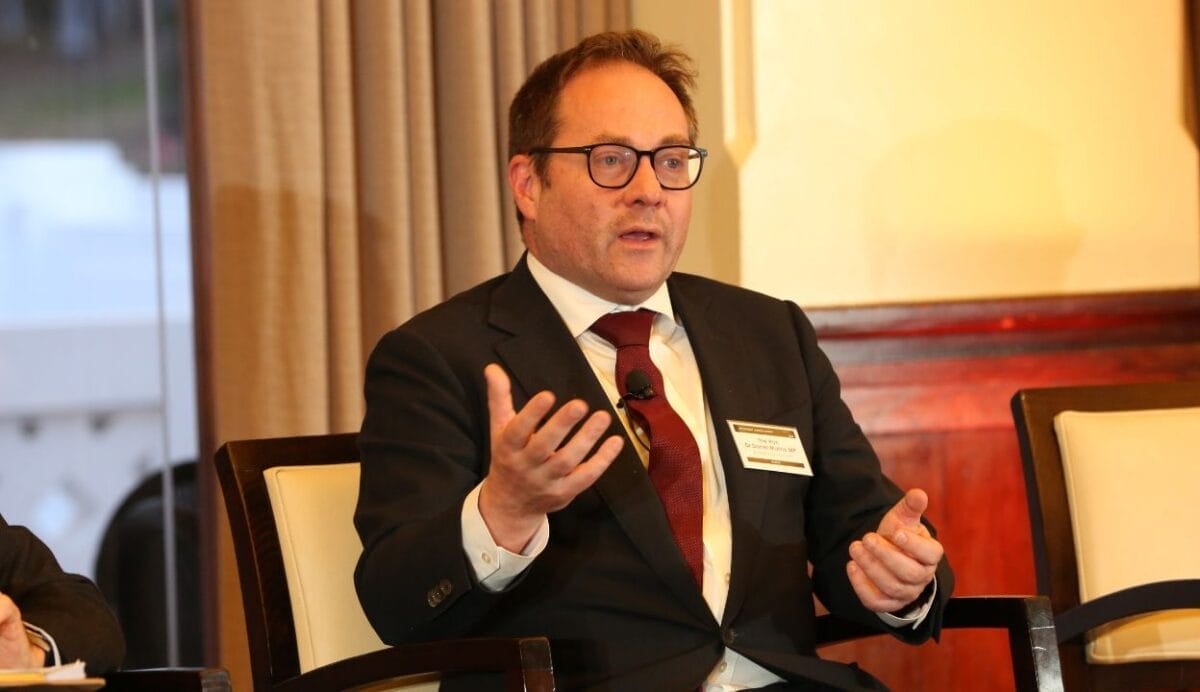
Minister for Financial Services Daniel Mulino told the summit the DBFO reforms were among his top priorities and was aiming for draft legislation on the remaining contentious elements of the reforms – including the introduction of a “new class of adviser” – by the end of the calendar year.








Leave a Comment
You must be logged in to post a comment.