


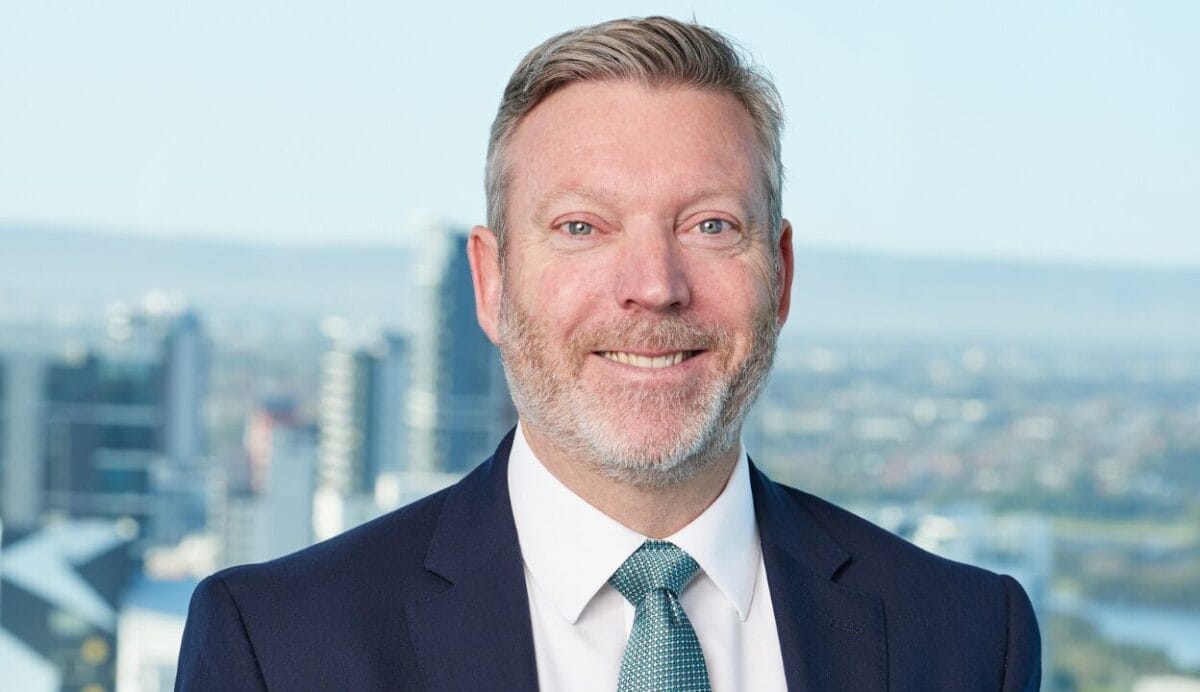
The Future Fund was seven years old and managing less than $90 billion when Ben Samild joined in 2013, initially as director of alternatives.
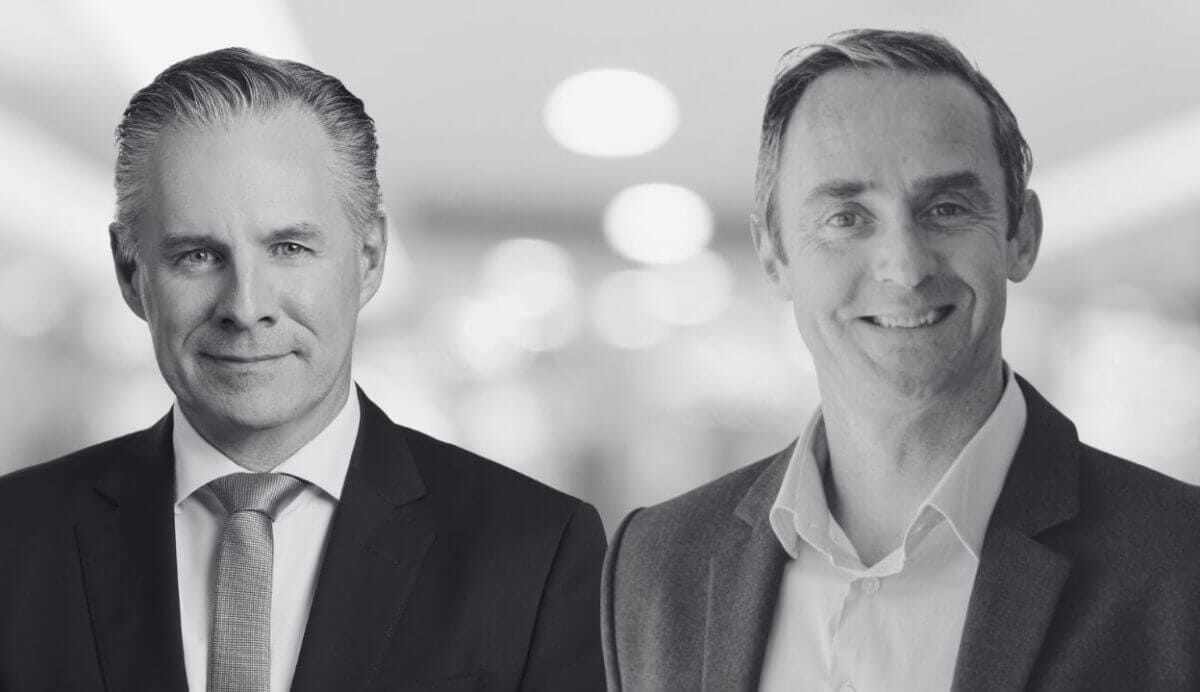
A decade later he was appointed chief investment officer and the fund stood at $206 billion. He leaves after just more than two years in the top investment job with the fund’s assets exceeding $252 billion reportedly to join Abu Dhabi Investment Council (ADIC), owned by the $US330 billion Mubadala Investment Company and which invests globally on behalf of the Abu Dhabi government, as chief strategist.
Samild has been replaced, for the time being at least, by Hugh Murray, previously his deputy.
The Future Fund’s performance has exceeded its return benchmarks on Samild’s watch, and it is as committed as ever to a “joined-up, whole-of-portfolio” approach to managing money (just don’t call it a ‘total portfolio approach’). But his success in the quest to foster a team and industry culture of “purpose and joy” is less publicly visible. And it’s even less clear just how well an attempt to introduce the same sort of culture might fly at a sovereign wealth fund in the Middle East.
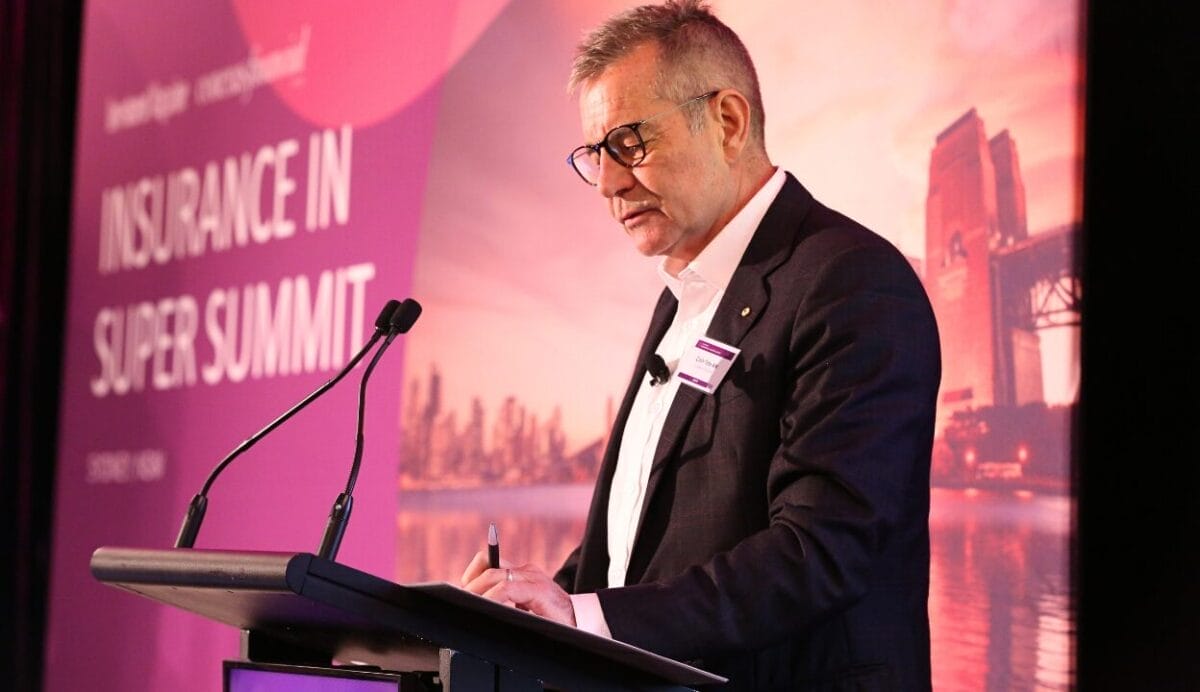
At the Investment Magazine Fiduciary Investors Symposium in November 2023, in his first public comments after being appointed Future Fund CIO, Samild said fostering a more inclusive and less “macho” culture was among his top priorities. He argued that the world of finance is an often-hostile environment which finds its purpose by co-opting the language of war.
“The industry is immersed in the language of competition, finance as a ‘battle’,” he said. “We need to outmanoeuvre, outflank, starve our opponent of opportunities, ‘seize’ the high ground and ‘dominate’ our opponents. It’s tempting to relent. It is easy to give in to this militaristic language and culture.
“But history and life teach us that there is far more to life than conflict. We spend far more time creating, collaborating, interacting constructively, and pursuing our passions and our curiosity than we do fighting.”
Samild told FIS that this way of managing money ran against the textbook approach and was less efficient as a result, but that was a trade-off the fund was willing to make for the sake of greater effectiveness.
“Effective in our context as a long-term asset owner is not necessarily always efficient,” he said.
Samild told a March 2024 podcast produced by Chartered Alternative Investment Analyst Association (CAIA) that the Future Fund doesn’t describe its approach as TPA per se, but rather as a “joined-up, whole-portfolio” approach.
“We do use the term ‘joined up’ [and] we used to use very strongly… the term ‘one team, one portfolio’ – so strongly that it was on all their coffee mugs,” he said.
“That has moved on to this ‘joined-up’ portfolio in a way to distinguish it from the generalised nomenclature of a ‘total portfolio approach’.
“My boss, CEO and predecessor, [Raphel Arndt], used to draw up a description of what a joined-up approach meant. And he would have asset classes on one side of the page and decisions on another side of the page, and in the middle, he had this cartoon fight with all arms and legs askew and dust flying and whatnot.
“That’s never how it felt to me. It just felt like a playground for curious people who wanted to know about things that were outside of their specific domain and be able to incorporate all of that into their decision making in a way that was an enormous reward for breadth, and less so for narrowness. And I still feel it’s largely that way.”
Like any big job, being Future Fund CIO isn’t all joy. It comes with the same stresses all people in equivalent positions handle but with a little bit of a kicker: for example, once every three months the incumbent heads to Canberra to justify to the Senate how the fund has invested the public’s money.
And the modern CIO in any large investment organisation is as much a manager of people as they are of assets, an aspect of the role Samild has said sometimes drives him “completely bonkers”.
But the intellectual curiosity that drives many of the world’s best investors is location agnostic, and Samild is not the first high-profile Australian to pursue career opportunities in the Middle East.
Former LGIAsuper chief investment officer Troy Rieck joined Emirates Investment Authority as CIO in 2022; and in 2023 Australian Retirement Trust deputy CIO Charles Woodhouse joined Abu Dhabi Pension Fund, also as CIO.
The path chosen by Samild is becoming well-trodden by Australian investment types, but making the kind of cultural change Samild strove for at Future Fund is a road less travelled – in Australia or the Middle East.







Leave a Comment
You must be logged in to post a comment.