


For two years, and well into a third, catastrophe bonds (cat bonds) – a debt security tied to natural disaster risks – have shone in an accessible, liquid and regularly priced market.
Now the question for institutional investors isn’t whether to maintain cat bond exposure, it’s how to evolve it. Cat bonds remain a solid foundation and compelling entry point, but the private side of the insurance-linked securities (ILS) market has repriced more slowly, offering a logical extension for those open to reduced liquidity.
Cat bonds just passed their stress test
The past 18 months weren’t devoid of natural catastrophes. Early 2025 saw costly wildfires in California and Los Angeles, while the Atlantic hurricane season featured named storms like Milton and Melissa. Secondary storms in the U.S. also produced a series of mid-sized claims, adding to global insurance losses.
Yet for most cat bond investors, the outcomes were notably more benign. Standard cat bond portfolios typically avoid heavy exposure to large California wildfires and the Atlantic hurricane seasons was, in practical terms, relatively quiet. The losses that did occur were absorbed lower down the insurance tower by primary insurers and traditional reinsurers, leaving cat bond investors largely untouched.
Meanwhile, new cat bond offerings came with attractive terms, meaning most investor portfolios sat above the activity that made the headlines. The limited losses of 2025 confirmed a trend we previously noted, with issuances shifting higher in the tower and increasingly designed to focus on carefully modelled risks.
From exceptional pricing to solid pricing
The very strong outcomes in 2023 and 2024 occurred in an unusually supportive market. Property catastrophe reinsurance pricing remained elevated after the 2023 renewal season. Issuers were prepared to offer higher attachment levels (in simple terms, the loss threshold at which investors start to take losses was pushed further up, so bonds were only hit in more severe events), and alternative capital had not yet returned in full. Together, those conditions created a particularly attractive entry point for cat bond investors.
Since then, as reinsurers rebuilt capital and more investor money entered the market, pricing has naturally moderated. Spreads have eased from the post-2023 peaks, moving from exceptional to solid. Crucially, the market has not fallen back to the softer conditions of the late 2010s.
Today, cat bond yields remain attractive in absolute terms, retaining their unique edge of being linked to specific natural-catastrophe risks rather than the economic cycle. That unique edge makes cat bonds a strong core holding in a diversified portfolio and ideal introduction to ILS.
The cat bond opportunity is shifting
While the broader ILS market remains attractive, not all corners of the market have adjusted at the same pace. Public cat bonds are the most visible and accessible segment, meaning they’ve absorbed the bulk of post-2023 capital inflows and pricing has normalised accordingly.
Private ILS, by contrast, has re-priced more gradually – creating a new edge and opportunity for investors.
Private ILS are short-dated (typically 12-month) contracts alongside public cat bonds, including traditional reinsurance, retrocession (reinsurance of reinsurers’ own portfolios), quota shares and industry loss-based deals.
The appeal of private ILS comes down to three key factors:
- Slower capital inflows: Because liquidity is tied to biannual renewal cycles (January and July) and capital can be temporarily held during loss settlements, this structure deters short-term funds. This leads to less competition, allowing pricing to hold firmer.
- Broader risk exposure: Private ILS can access a wider mix of programmes and geographies, reducing the heavy concentration in US wind and earthquake risks that dominate public cat bonds. European wind, Japanese typhoon, multi-peril quota shares and certain specialty lines are more commonly accessed privately. This makes private ILS a useful complement to a liquid cat bond sleeve because it reduces concentration in US peak perils.
- More efficient use of capital: Many private ILS contracts are not fully collateralised. The investor posts capital up to a high-confidence loss level and the (re)insurer’s balance sheet stands behind the tail. In practice, an investor may fund only a portion of the limit but earn premium on the whole insured amount. The same capital therefore earns more. Public catastrophe bonds are fully collateralised by design, so they do not offer this leverage.
Structuring a balanced ILS portfolio
Sophisticated investors often blend both segments of the market, providing diversification within the asset class and affording optionality based on the prevailing opportunity set.
The sizing of each sleeve will depend on the investor. Liquidity tolerance, appetite for complexity, and opportunity set all matter. In some periods it will be rational to lean more heavily on the public cat bond sleeve. In others it will make sense to renew or add private capacity.
Looking ahead to 2026
By late 2025, the cat bond market has transformed a post-2022 reset into a sustainable opportunity, tested through actual events. It still offers compelling no loss yields of c.9-10 per cent and serves as the most straightforward ILS entry for newcomers.
But with public markets absorbing capital rapidly, private ILS now offers relative value. For those with positive cat bond experiences, the key 2026 conversation is capturing more of that private opportunity set.
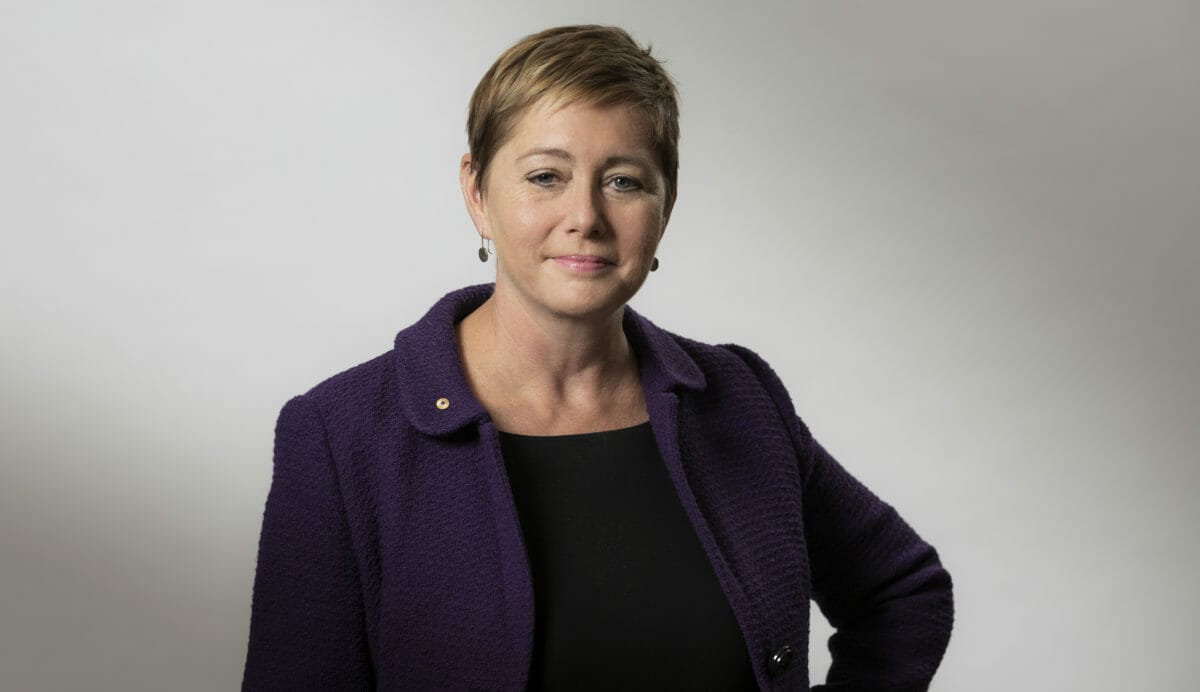
Chris McAvoy is head of alternatives research at JANA.









Leave a Comment
You must be logged in to post a comment.