
Critical minerals are becoming a central driver of US foreign policy, according to Veracity Worldwide senior associate Peter Hütte, who notes that the US is progressively orienting its foreign policy toward securing long-term access to the materials that underpin the country’s economy.
The change from viewing minerals as “national security assets rather than mere industrial inputs” represents another step in what Veracity chief executive Ben Weiss has previously described as “the national securitisation of everything”, where governments designate an “ever-wider array of issues, assets, industries and activities as ‘strategic’ or ‘central to national security’”.
“The State Department is now directing its posts to adopt a more commercial role – facilitating resource investment, supporting US project sponsors in critical minerals and, in Africa, evaluating diplomats in part on the deal activity they generate,” Hütte wrote in Veracity’s Critical Thinking newsletter.
“This year, the United States has signed a range of agreements that reveal both the ambition of the strategy and the limits imposed by local conditions.”
Of particular note to Hütte is the framework the US signed with Australia in October, which included a pledge to deploy US$1 billion ($1.54 billion) within six months to advance “strategically significant mineral projects” with an eye to increasing the supply of raw and processed minerals “crucial to the commercial and defence industries of the United States and Australia”. A similar framework was signed with Japan at the same time.
“Both frameworks rely on a wide set of policy tools: price support mechanisms, streamlined permitting, geological mapping, recycling initiatives, coordinated stockpiling, and investment screening to limit Chinese acquisition of strategic assets,” Hütte wrote.
“By drawing on Australia’s mining expertise and Japan’s processing and manufacturing capabilities, the three countries are well positioned to translate these frameworks into concrete outcomes.”
The wider shift in policy is being watched carefully by investors, with rare earth mineral security now seen as the “new energy security” by 63 per cent of respondents to a survey of asset owners by Natixis Investment Management, and China’s restrictions on antimony supplies, critical to the manufacture of armaments, highlighting their strategic importance.
“Taken together, the number of agreements show that critical minerals have become a formal lever of US diplomacy and industrial strategy, although the impact of these agreements will depend heavily on the industrial base of partner countries,” Hütte wrote.
“Future frameworks with mature producers and processors – such as Canada or South Korea – stand the greatest chance of translating policy tools into real projects. Newer entrants will move more slowly, even as the urgency of reducing Chinese concentration in critical minerals grows.”


28/11/2025


Geopolitics & macroeconomics
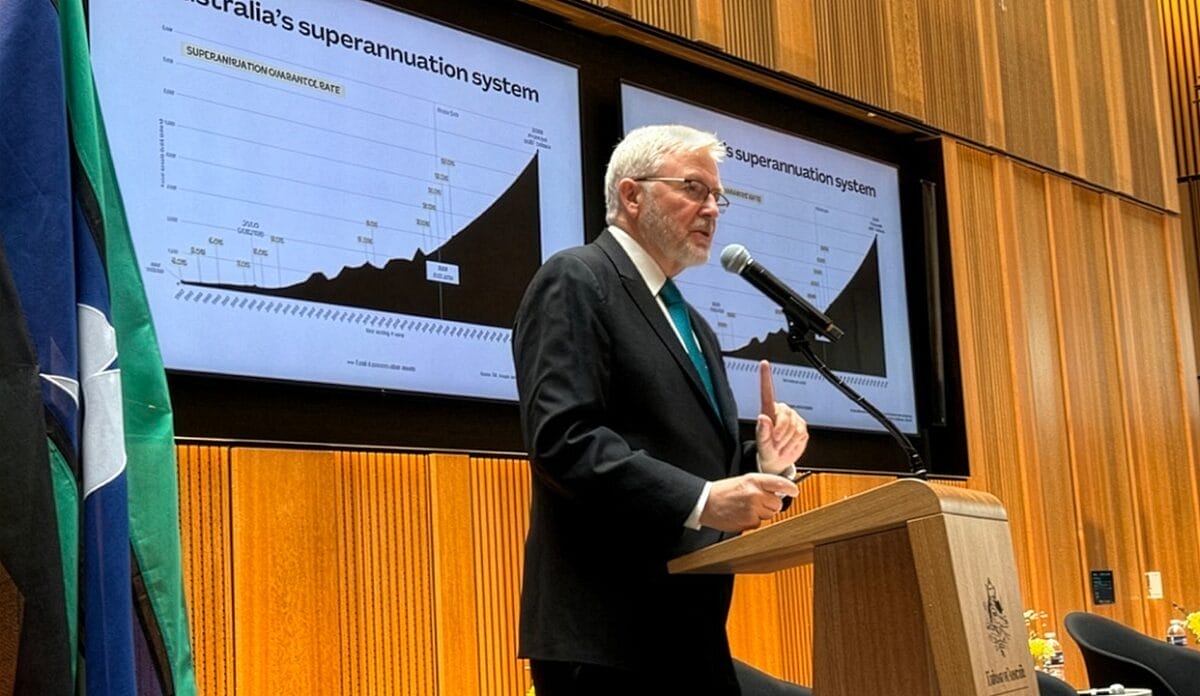
The first two days of the historic Australian Superannuation Investment Summit in the US have given super sector leaders unique insights into the seismic geopolitical and technological changes afoot in the world. On the sidelines of the summit, the CEO of Cbus and CIOs of AMP, MLC and Rest reflect on how they will act on the insights to help bolster investment returns and member experience in a volatile market environment.





Leave a Comment
You must be logged in to post a comment.