


Produced in partnership with Allianz Retire+
The shift from accumulation to drawing down regular income in retirement brings a new set of challenges for super fund members, often accompanied by a profound change in mindset. Members naturally become more curious about who underpins their future income. Suddenly, their reliance on their fund, and the partners their fund chooses to work with, moves front and centre.
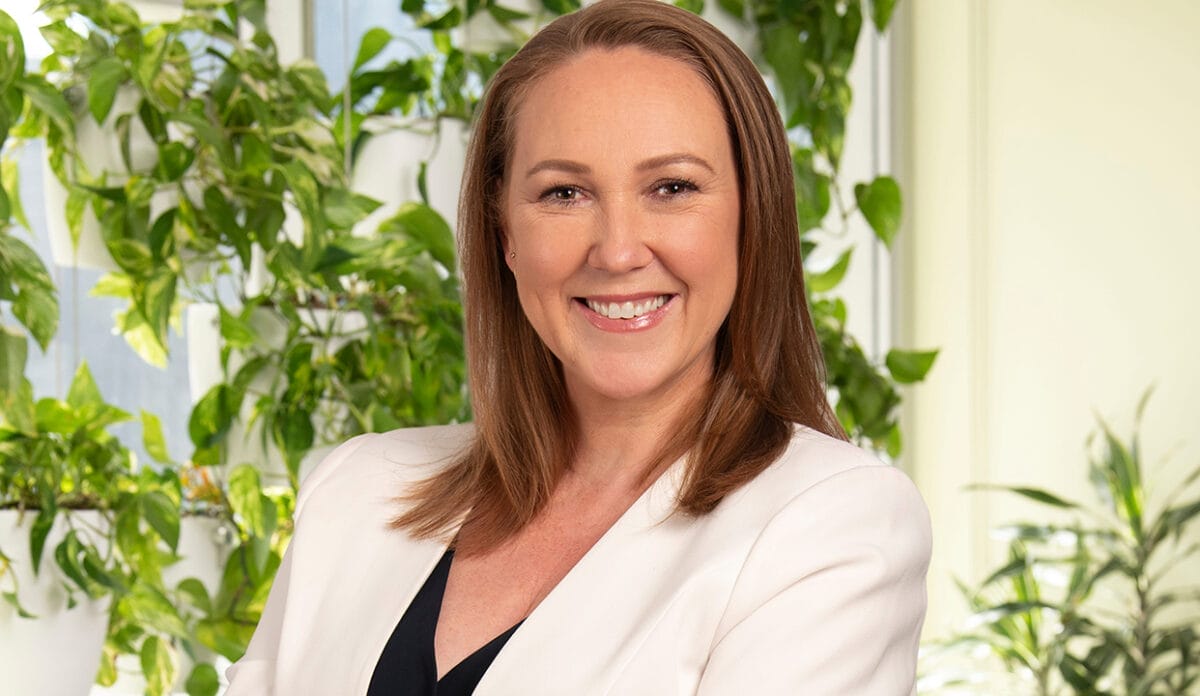
“Australians really trust their superannuation fund. And for good reason, they feel good about the balance that they’ve built up through strong performance and low fees; and they look to their fund to provide them options to turn those savings into income,” says Catherine van der Veen, chief distribution and marketing officer for Allianz Retire+.
Van der Veen says member research conducted by Allianz Retire+ with consultancy Fiftyfive5 last year found that “familiarity is a theme that’s come through both here and in our US markets, that familiarity breeds trust and confidence”.
“And so that’s really great, because we think that puts the super funds in a very strong position to be the provider of choice for people’s retirement income,” she says.
Research by the Allianz Centre for the Future of Retirement in the US explored members’ reliance on various retirement income sources, their confidence in those sources, top concerns about retirement and their interest in guaranteed solutions.
Van der Veen says the research revealed that the traditional retirement planning model, which relies on accumulation and investment growth, while valuable during working years may fall short in addressing the unique challenges of the decumulation phase.
The volatility of market investments, coupled with uncertain lifespans and unforeseen expenses, creates a sense of vulnerability for those depending on a fluctuating portfolio for their income.
The research found 72 per cent of participants are concerned about the possibility of a major market downturn right before they are ready to retire; 68 per cent say the fear of unexpected expenses such as medical bills or home repairs prevents them from wanting to spend money; and 60 per cent worry they will run out of money from their super during retirement.
Scrutiny and scepticism
A member’s transition to retirement exposes funds to a new kind of scrutiny and scepticism about the messages they send, especially when it comes to promises about income.
“Members don’t automatically trust the words ‘guaranteed income for life’,” van der Veen says.
“They’re sceptical, and they’re actually right to be sceptical about these concepts. There’s an inherent level of questioning that goes on with a member, and they want to look through that fund, and they say, well, is that guarantee secure? Is that income promise rock solid?”
She says that when members think about retirement, they “reach for words like ‘familiar, reliable, consistent, predictable’”.
A desire for certainty exists alongside their inherent scepticism around promises, guarantees, lifetime incomes, and it’s not necessarily because they don’t trust their fund but because “inherently we’re taught to question anything that seems too good to be true”.
Van der Veen says whether members are conscious of it or not, the characteristic they’re seeking is transparency.
“An alignment of trust between fund and partner therefore matters deeply, she says.
“Whilst many funds will want to manufacture retirement solutions under their own, strong brand, there is a benefit in showing the member how that promise is backed by a very strong, trusted, and credible organisation,” she says.
‘Trust us’
Van der Veen says longevity is a concept that feels vague to a member and it is not surprising that retirees prefer not to think about how long they might live. Nobody really likes to contemplate their own mortality, especially at a time in life when they might already feel vulnerable as they stop working and start to rely on their savings.
“Human beings are usually not very good at attaching weight to risks that happen a long way in the future,” van der Veen says.
“It’s like a discounted cashflow model: they apply a discount factor to a risk that is a long way away. That is coupled with the fact that death itself is not something human beings want to think about too much.”
Market volatility on the other hand presents an immediate danger for retirees and so it’s no surprise that three quarters of them are worried about this risk and why they are excited at the prospect of an income for life that is protected from market shocks.
Van der Veen says initial relief is often followed by a level of wariness.
“When you look to provide certainty or guaranteed-style income solutions, that’s where that member wants to know that that’s for real, that’s actually a genuine promise,” she says.
Your brand or mine?
The issue of trust is as important for the fund as it is for the member.
“For the trustee, it’s really important when they’re selecting a partner that they can have confidence that that partnership will stand the test of time, that their provider will meet their promise to members as well, because funds have spent years building that trust with members and credibility, they want a partner who will be around to meet that promise decades into the future,” van der Veen says.
How a fund positions its retirement income solution, and consequently the prominence of the partners it works with, may be dictated by the standing of its own brand among members, and the strength of the bond of trust it has developed.
Van der Veen says members’ sense of trust not only related to a fund’s own brand but also to how it shows it understands members’ priorities in retirement.
For example, “we don’t lead these conversations with members around the risk of longevity”, she says.
“That’s a word that insurers use, it’s not a word you should be using with members,” she says. “What members really want is to understand when can I retire, when will I have enough, and how much can I spend every year so that I don’t run out?”
She says flexibility is “essential to any retirement income solution, because retirement is not a one size fits all, and it’s not a moment in time”.
“It can be up to 40, 50 years long, and so life changes. So what is appropriate at the point of retirement, it may no longer be appropriate five or 10 years into retirement,” she says.
Van der Veen says that for super funds and their partners, the key is designing solutions that can adapt and evolve without breaking the bond of trust members have spent decades forming with their fund.
“The only certainty in retirement is the fact that things will change for members,” she says. “
“So how are super funds and their partners putting solutions together that convey confidence and withstand the test of a long retirement? That’s the power of partnering with a brand you can trust”.







Leave a Comment
You must be logged in to post a comment.