
While soft defaults are increasingly being considered as an option for helping millions of Australians into retirement, they might not be the best way of making them more confident or helping them achieve their retirement goals, according to Jennifer McSpadden, Brighter Super head of retirement.
“Whether or not there’s a role [for soft defaults] to play there, we would always maintain that the best outcome is that somebody has thought about it and has made a decision for themselves,” McSpadden said. “[Brighter Super’s retirement product] RetireEasy is somewhat a soft default in that we have done pre-selections for them, but they still have to take that step.”
McSpadden was speaking at the launch of the 2025 Brighter Super and Investment Trends 2025 Retirement Income Report, which found that those who feel more prepared for retirement are more likely to have begun planning earlier, received advice and have higher average super balances.
But only 38 per cent of respondents to the survey reported feeling prepared for retirement – something that McSpadden believes is better addressed by getting them advice, as well as tools and education through webinars, earlier rather than pushing them into soft or hard defaults later.
“It’s no good going in and seeing an adviser if you haven’t actually had an opportunity to think about what it is that you want to do when you retire,” McSpadden said.
“So having that chance to reflect on what life will be like, what you’re going to do with your time on an average Tuesday, is really important to have in the back of your mind when you sit with an adviser, because they can’t do the thinking for you.”
To get advice to their members earlier in their lives, super funds need more data to “nudge them with the right information at the right time”.
“Sometimes that is a challenge because super funds don’t have all that information at hand,” McSpadden said. “We tend to look at it based on age and account balance and send nudges hopefully at a time that they’re ready to listen.
“But a nudge can be about showing them exactly where they’re up to. So we often think that statements are really good, but being able to project for them on a member statement each year when they log in, that this is what their retirement income will be, at least prompting them to start thinking about whether it’s going to be enough.”
But there’s also the prospect that funds will collect too much data, or data that isn’t useful in the long-term.
“The ideal situation would be that when they’re engaging, that’s when we ask them the right questions. So we do we have a calculator [that says] what age can they retire? And at that point they’re dropping in information that’s current for them right then: do they own their own home, what’s their debt, what’re their goals?
“I think in an ideal world the regulator wants us to have a whole lot of information about them – do they have a mortgage, do they have a spouse, do they own their own house, are there any beneficiaries? That would be nice, but then that is also where it strays into delivering actual personal financial advice.”
McSpadden calls Brighter Super’s Retire Easy account, which it launched last year, the “training wheels of pensions”, and says that pre-selected investment and payment options allow them to get a feel for their behaviour in retirement.
“Then when they’ve got a bit more confidence about what it’s like living in retirement, because we do see that people feel a sense of uncertainty before they retire, there’s this miraculous change when they do retire and they start to experience life.”

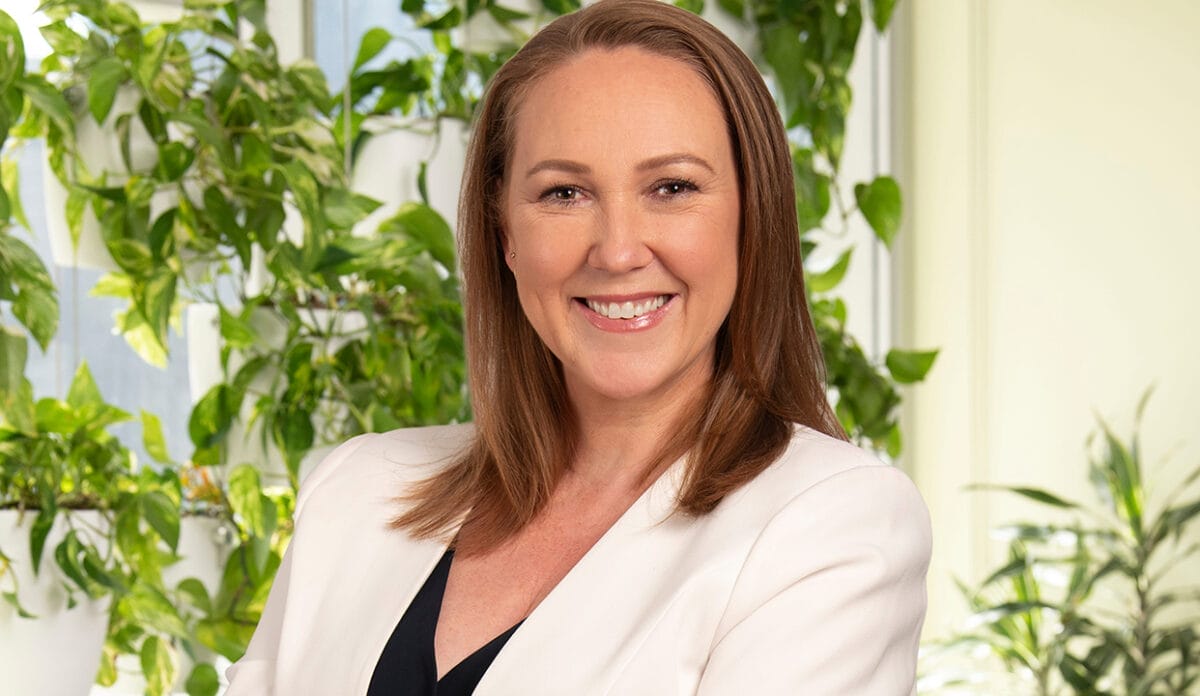
Brighter Super head of retirement Jennifer McSpadden

09/12/2025
Brighter Super, Investment Trends


Member engagement

With the government’s Retirement Reporting Framework finalised, the regulator is consulting with funds on the structure and timing of an implementation program designed to create a fit-for-purpose regime with minimal additional compliance burden.





Leave a Comment
You must be logged in to post a comment.