


Much has been written about the shortcomings of the final COP30 agreement, and indeed the entire concept of the COP process – but the numbers speak for themselves. Before the Paris Agreement in 2015, the world was on track for a catastrophic 4+ degrees of warming. In the years since, hard-fought progress at successive COPs has reduced that trajectory to 2.8 degrees – still disastrous, but a significant achievement – and the most recent NDCs should bring this estimate to below 2.5 degrees.
This year’s summit marked a turning point, with the era of pledges giving way to the harder work of implementation. Conversations were grounded in the realities of financing the transition: de-risking, blended finance, and co-financing models. Finance ministries were more visible than ever, signalling that climate policy is now economic policy. And some estimates suggest that we have shaved off another few vital fractions of a percentage point from our warming trajectory.
To move faster still, we need to step up the role of private finance.
Investors understand this. For them, climate risk is no longer peripheral – it’s core fiduciary duty. Around 80 per cent of institutional investors now have processes to identify and assess climate risk, and asset owners in the Net Zero Asset Owners Alliance mobilised US$743 billion for climate solutions last year. The transition is the biggest investment opportunity of our time, but it requires confidence: clear policy signals, stable frameworks, and investable pipelines.
So where should we focus our attention?
Australia, as incoming COP31 President of Negotiations, has a unique opportunity to lead. The country sits at the crossroads of resource wealth and renewable potential. It can champion the next phase of the transition we’re entering – one that can sustain an energy-hungry world, with electricity demand from AI, data centres, and electrified transport with flexible, scalable, and cost-efficient systems.
Current energy infrastructure won’t be enough – more capacity will be needed, and economics dictates that this must be achieved by increases to renewable energy. According to the International Renewable Energy Agency, the global average cost of electricity from new solar projects in 2023 was 56 per cent lower than fossil fuel alternatives, and onshore wind was 67% lower. These advantages will only strengthen.
Another priority area must be increasing finance for emerging markets and developing economies (EMDEs). COP30 set a global priority to unlock US$1.3 trillion for emerging markets by 2035. Australia can drive reforms to financial architecture and champion innovative instruments that de-risk investment in these markets. The focus on EMDEs is essential – if these markets are not part of the transition, the world as a whole simply cannot achieve it.
COP30 also advanced work on a “super taxonomy” to harmonise sustainable finance standards. Australia can accelerate this effort, reducing friction for global investors and ensuring capital flows efficiently to transition projects.
With overshoot of 1.5°C now inevitable, adaptation finance must triple by 2035. Nature-based solutions can deliver returns of up to $10 for every $1 invested. Australia can position itself as a hub for resilience finance, leveraging its expertise in natural resource management.
Regardless of politics, the economics of the transition are undeniable. Solar panel prices have fallen from hundreds of dollars per watt to under thirty cents; wind power is 70 per cent cheaper than in 2010. China accounted for 60% of new renewable capacity added worldwide in 2023, and the U.S. set records for clean energy deployment despite political headwinds. Australia cannot afford to lag behind. Countries that move decisively will attract investment, create jobs, and build competitive advantage. Those that stall will be left behind.
COP31 is Australia’s moment to lead – not just on climate, but on capital. The question is no longer whether the transition will happen. It’s whether we seize the economic opportunity before us, and whether we can do so fast enough to mitigate the consequences for our environment, our economies and our children.
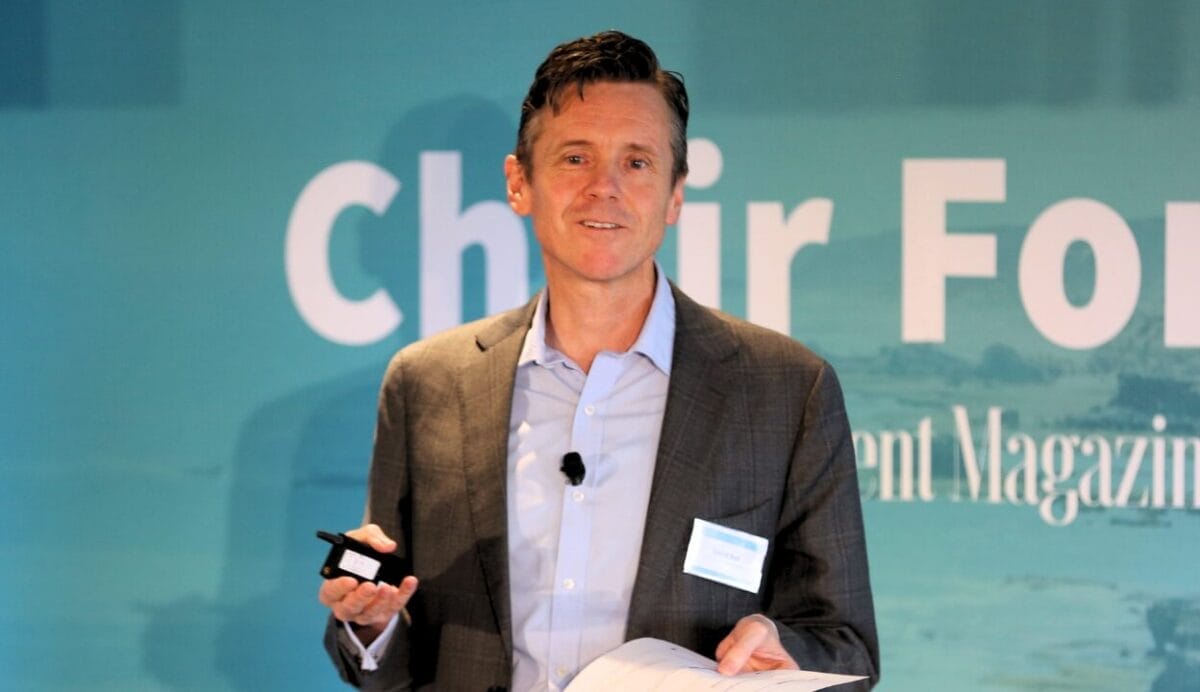
David Atkin is an advisor to and former CEO of Principles for Responsible Investment.







Leave a Comment
You must be logged in to post a comment.