
ASIC’s review of private markets found that super funds generally “demonstrate good operating practice”, but questions around valuations and terminology linger. The problem, according to Robert Moore, head of debt at JANA, is that there isn’t a “perfect answer” to them.
“Because of the nature of the assets and the markets, you are never, ever going to get perfect valuation, transparency and agreement like you do in public markets,” Moore tells Investment Magazine.
“And that’s a little bit of a concern, because if the regulators have taken a perspective that they want valuations in private markets to be as robust and consistent as they are in public markets… that might be unrealistic.”
But funds can still get them as robust and consistent as possible, Moore says, and it’s important that they do because of the ability of members to switch rapidly between products even as asset valuations lag – something that has troubled regulators during market downturns.
“These processes, whether it’s private credit or any other private market asset, can’t happen in the blink of an eye… especially when you get an exogenous shock, a global pandemic or a global financial crisis. You can’t instantly revalue assets, and it is a fundamental issue for the super funds, because they do have end members that can switch daily.”
“[From my personal perspective]… You’re supposed to be investing in these vehicles for 40 years, and you might have a harvest period there in retirement of 20 or 30 years… You’re a long-term investor, you should be investing in markets like these to harvest the risk premiums, but can you have that at the same time as allowing members to switch 100 per cent of their option on a daily basis?”
That might also mean the ability to switch rapidly needs to be reassessed, aligning switching with the redemption windows of the underlying markets, or only allowing rapid switching in options that are invested in daily liquid markets (though these can also become illiquid in a downturn).
But liquidity is probably a bigger problem in the retail and wholesale space, Moore says, where some private credit products are marketed to the end investor as completely liquid.
“These asset classes aren’t monthly liquid. We have a concern, and ASIC rightly has a big concern, in that the end investor in the wholesale market doesn’t understand that. They just see what’s on the tin… There’s this disconnect between how it works in practice and what the investor thinks.”
But valuations are still an issue for super funds, and they need to do more to uplift their quality.
“Step one is making sure that, wherever super funds are investing, there’s a robust governance structure with independent verification of valuations,” Moore says.
“It doesn’t mean everyone is going to come up with the same valuation – if you peel back the lid, you’ll probably see the four major banks have different valuations on a stressed asset, just like the super funds – but that is step one, making sure that there is a robust set of procedures and structures around valuation.”
As funds internalise the management of private assets, they also need to build structures internally that will allow them to regularly verify asset values. That can be “complex and expensive”, but it’s what good looks like, Moore says.
“But again, that doesn’t mean it’s perfect. Things do come out of the woodwork to suddenly shift valuations and different investors and different valuation agents will have different views on the changes they see… We’re never going to get agreement on timing and price movement. I mean, that’s what makes a market.”

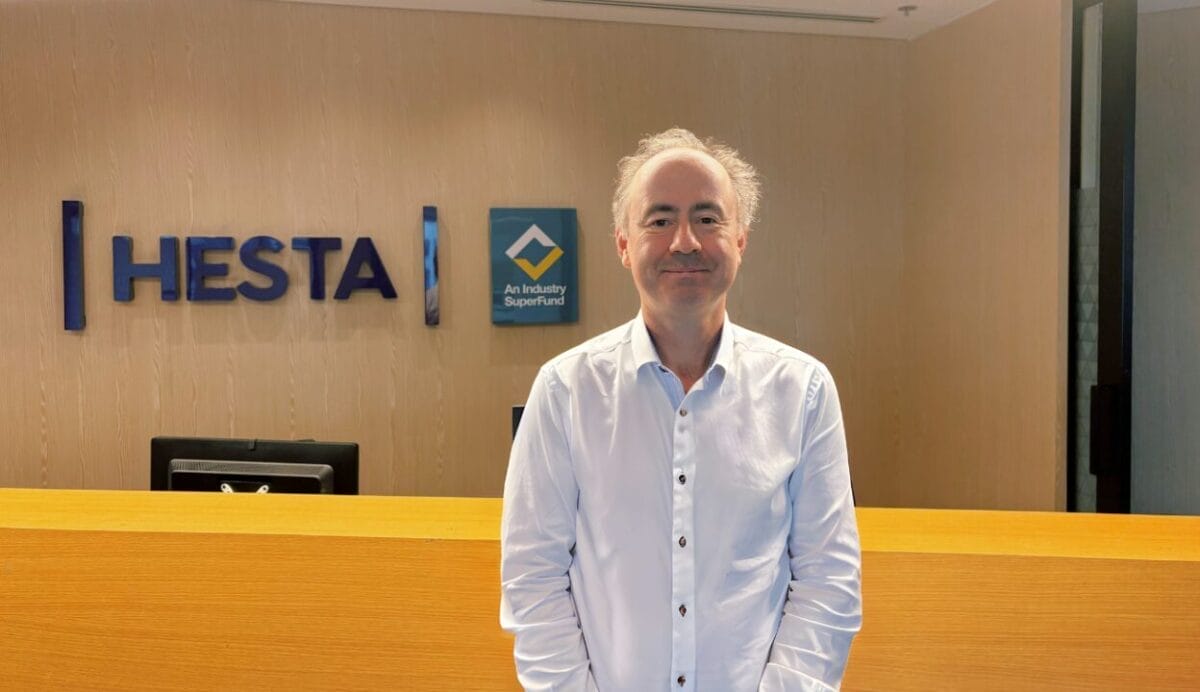
Robert Moore.

05/12/2025

Investments

Some investors are “missing the point” of geopolitical risks by equating them to the disruptions from conflicts and wars, according to GIC chief economist Prakash Kannan, but in reality, geopolitical risk is no longer episodic or peripheral. This means investors need to think harder about inflation and country composition in their portfolio.





Leave a Comment
You must be logged in to post a comment.