


This article originally appeared in the print edition of Retirement Magazine Vol. 2
Like many other, particularly western countries, Australia’s population is aging, and as a consequence longevity risk is increasing and traditional post-retirement income sources and models are straining under demographic, fiscal and modern societal pressures.
Against this sobering backdrop many countries must, and are, actively considering how best to adapt their retirement systems to remain fit for purpose.
Each of Australia, the UK, New Zealand and South Africa – countries I’ve spent time in and whose retirement systems I’ve studied – has distinct retirement income systems and related policy and operating models that have been shaped over time by their history, demographics, macro-economic forces, policy positions, regulatory evolution and markets.
While all these systems have their respective strengths and weaknesses, it is in the post-retirement phase that the greatest differences and opportunities exist. Australia, in its modern, post-Superannuation Guarantee (SG) period, has
been a regular global benchmark-setter and poster child for a modern defined-contribution approach.
And while we have been recognised and praised for the accumulation phase, we can’t equally claim to be as considered, strategic or well set up for the post-retirement, decumulation maturity and utility of our system.
Having attained “peak super” in terms of summiting the SG contribution mountain earlier this year, and with a silver tsunami of late Boomers now in active contemplation of a transition to retirement, the spotlight must shift decisively to improving the Australian retirement income system’s competency, capacity and delivery.
And without doubt, there is somewhat of a burning deck below us.
A service-led proposition
Retirement is a service-led proposition, unlike the accumulation phase which, as a result of well-developed and managed defaults, remains broadly a product-led one.
In this respect, Australian funds have a deal of work ahead of them to reach international best practice. Apart from the all-important service aspect, other key areas requiring a concerted industry effort include developing, bringing to market and supporting innovative, contemporary and modular income products. This must be coupled with an engagement wrapper for retirees that extends to targeted guidance and advice and tech-savvy tools to allow retirees to engage with their funds when, where and how they prefer that to happen.
There is much we can learn and leverage from other retirement income ecosystems that have, to different degrees, made these things central and significant in their broader system operating models and competitive landscapes.
If we fail to heed the learned and lived experiences of some other global systems, we increase the risk that our often-lauded retirement system will render suboptimal outcomes for millions of Australians, right at the point when they need it most to deliver.
From world-leading in accumulation to lagging in retirement
 Australia’s three-pillar retirement income system – the Age Pension, compulsory superannuation contributions, and voluntary savings – remains a global benchmark and standout achiever. Fuelled by more than three decades of a mandated and rising SG, Australia has built a $4.1 trillion pool of national retirement savings, which has supports and is delivering both improved retirement security and macroeconomic stability.
Yet, a dispassionate assessment of Australia’s retirement system’s scorecard at this juncture sees it as unbalanced. Policy and industry focus has been, and arguably rightly so, overwhelmingly on accumulation, with limited attention paid to how to optimally help retirees with their savings draw-down requirements. Indeed, it was only in 2022 that the Retirement Income Covenant was introduced as a means to shift funds’ focus, efforts and priorities to the retirement side of the scorecard.
But progress has been slow, and regulators are growing increasingly impatient with the variable depth, breadth and utility of funds’ retirement income strategies to date. Most superannuation funds still offer a one-size-fits all account-based pension solution, which competes with cashing out some or all of a newly minted retiree’s now tax-free pot; or worse still, leaving it all in the less tax-effective accumulation phase due to a generally overwhelming sense of confusion leading into a state of analysis paralysis.
This apprehension often leads to under-consumption of retirement income and spending less than can be safely afforded for fear of outliving savings.
Too many Australians continue to withdraw lump sums inefficiently, often at the prompting of intermediaries, influencers and family, all with degrees of vested interests in this action; or self-undermine income security.
Funds have also been hesitant to innovate with retirement engagement solutions, better drawdown products and flexible income solutions and arguably, by global comparisons, with lifetime longevity solutions.
Australia’s superpower – the envy of most other countries’ retirement ecosystems – is the sheer scale and universality of our savings pool. But we are at risk of losing that international competitive advantage and mantle if we are not equally visionary in matching the accumulation success story to post-retirement solutions. If we fail to do this, or procrastinate too long, the system risks falling short of its ultimate purpose of providing members with confidence and dignity in retirement.
An international perspective
When it comes to who has the best-in-show retirement income system, no single country or economic block has a mortgage on this title, or all the best innovations, ideas and delivery outcomes. But just as Australia’s system is routinely studied internationally for the takeaways that can usefully inform the development and evolution of policy and best practice elsewhere, Australia can just as usefully learn from and be inspired by other countries’ experiences and applied learnings.
- United Kingdom: engagement and choice with guardrails
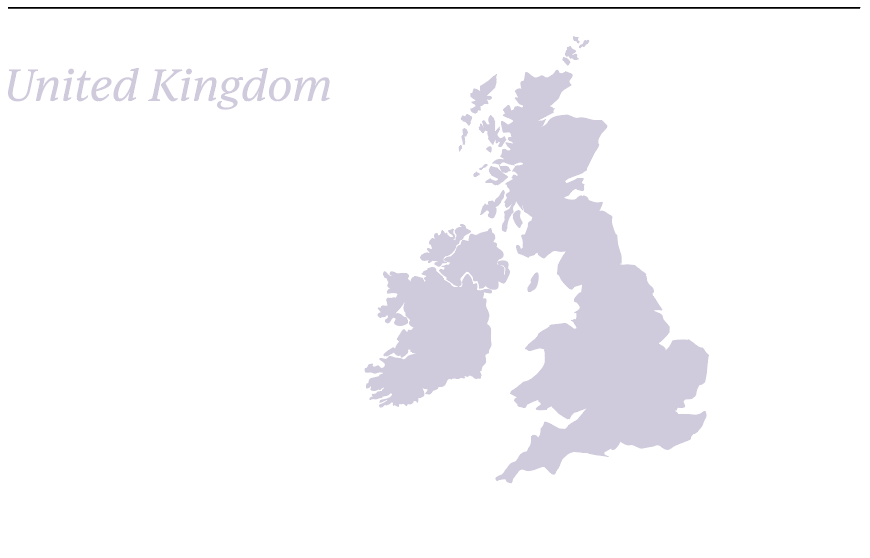 The UK has a hybrid system anchored by a principally non-means tested, flat-rate state pension. This is supplemented by largely mandatory workplace pensions under an auto-enrolment model, but which can be opted-out of, unlike Australia’s compulsory SG approach.
The UK also has a far more mature personal pensions market, largely as a result of its pre-2015 requirement for most pension savings to be used to purchase an annuity at retirement. That all changed with the advent of the 2015 “pension freedoms” reforms which granted retirees greater flexibility to instead access their defined contribution (DC) savings from age 55, without having to mandatorily purchase an annuity and included liberal access to lump sums and flexible drawdowns.
While this flexibility has empowered retirees, it has also exposed risks with which we in Australia are familiar. Evidence suggests many retirees either draw down too quickly and risk depletion; or too cautiously, and underspend. Recognising this, the UK’s Financial Conduct Authority (FCA) introduced stronger guidance and “investment pathways” for non-advised drawdowns.
This is something our policymakers and regulators should closely study and consider as part of landing the Delivering Better Financial Outcomes (DBFO) reforms.
One of the UK’s strengths lies in its mature advice and engagement ecosystem. And while the UK is introducing commercial pension dashboards as opposed to Australia’s single, Australian Tax Office-administered super dashboard, this promises to consolidate fragmented pension pots, making retirement planning clearer and easier, and with less friction and effort on the member’s part. The UK’s policy mix has also prompted providers to create a spectrum of retirement solutions – annuities, drawdowns, hybrids – giving retirees greater choice.
The UK illustrates the importance of structured pathways, stronger member engagement and clearer consumer tools. A key lesson for Australia from this is that flexibility alone is insufficient without well-considered guardrails that help members make confident, timely, informed and sustainable choices.
- New Zealand: simplicity and universality, but shallow depth
 New Zealand’s system is perhaps the simplest of the four. Its, non-means-tested NZ Super provides a base level of income in retirement, supplemented by KiwiSaver, a DC scheme established in 2007. While KiwiSaver is voluntary, it’s supported by automatic enrolment for employees, with government and employer contributions.
The great strength of New Zealand’s system is its universality and simplicity. Every eligible retiree receives a benefit from NZ Super, aimed at alleviating poverty and providing a predictable retirement income layering foundation. This goes a long way to reducing the behavioural anxiety often seen in Australians approaching and in retirement, especially where the interplay of the Age Pension’s labyrinthine rules and dual income and asset means-testing computations can quickly bamboozle retirees.
However, KiwiSaver remains primarily an accumulation vehicle. Withdrawals are largely unrestricted at retirement and the product landscape for decumulation is limited. Unlike in Australia and the UK, there is little policy or provider focus on retirement income strategies.
That said, New Zealand’s strengths lie in the benefits of its simplicity and universality. There is a clear lesson here:
retirees benefit enormously from certainty and not being flummoxed by a supermarket-like array of choices and the financial commingling often needed to optimise these.
- South Africa: resilience amid inequality
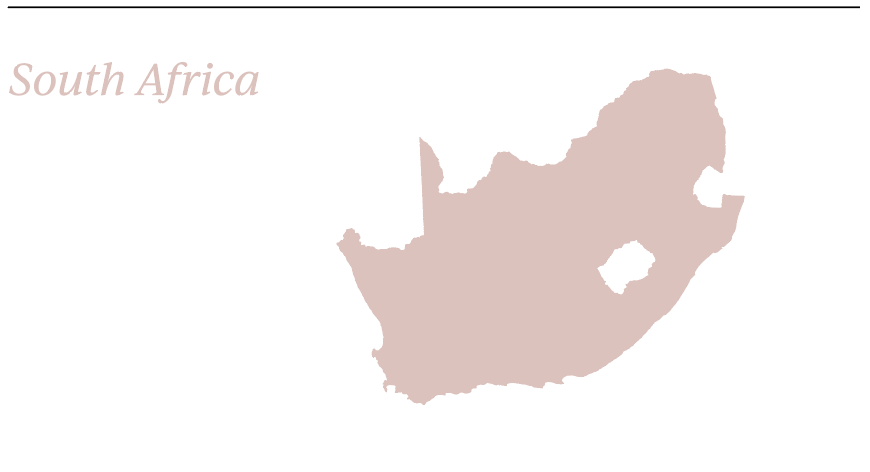 South Africa’s retirement system is anchored by a non-contributory social grant for older persons, similar to Australia’s Age Pension, supplemented by occupational pension and provident funds, and voluntary retirement annuities. The social grant plays a critical role in alleviating poverty, particularly in a country marked by deep inequality and limited “formal”-sector coverage.
Occupational funds, largely run by major and long-standing insurance groups, have historically provided defined benefit (DB) pensions for public servants, large formal-sector employers and smaller private-company employees. But like many retirement ecosystems globally, South Africa’s system has shifted toward DC arrangements.
Until quite recently, South Africans could withdraw their accumulation pots on changing employment, leading many to do so in order to make ends meet or simply to access some discretionary funds. However, in 2024 the “two-pot” reforms were introduced which now see the majority of a person’s super savings compulsorily preserved, with continuing access to a modest level of those savings if certain conditions are met. This significantly positively impacted people’s understanding and engagement with their retirement funds and materially raised the level of retirement savings by limiting pre-retirement withdrawals – which was a chronic issue undermining adequacy.
Introducing the two-pot reforms was demonstrably positive, but arguably South Africa’s greatest strengths lie in its penchant for innovation in member engagement strategies and tools and its hybrid retirement income products, particularly “living annuities”, which allow flexible drawdowns within regulated minimum and maximum bands, akin to Australia’s account-based drawdown products, and which provide a more structured alternative to lump-sum withdrawals.
South Africa highlights both the risks of leakage and the potential of flexible but guided hybrid drawdown products, which may be a blend of account-based pensions and lifetime (especially deferred) annuities. We could also learn from some of the member experience innovations introduced there, including at least one fund finding great success in using WhatsApp as its members’ preferred engagement channel, at a fraction of the cost, complexity, redundancy of resource and expense of intensive proprietary web portals and apps.
Importantly, South Africa also demonstrates how even in resource-constrained environments, regulatory settings can encourage product innovation that balances flexibility with sustainability.
Cross-jurisdictional lessons
Across these four systems, several themes emerge that Australian superannuation funds, policymakers and regulators should heed:
|
01. Certainty and lack of complexity matters (New Zealand). |
Predictable base income reduces anxiety and promotes consumption. Australian funds should explore ways to deliver quasi-guaranteed income streams, including exploring the utility and common benefits that can be realised through pooled longevity products. |
|
02. Flexibility is best balanced with guardrails (UK, South Africa). |
Retirees globally value choice but also benefit materially from having well-considered and structured pathways, “soft default” solutions and clear and unbiased engagement to avoid poor outcomes. |
|
03. Innovation is possible, even under constraints (South Africa). |
Necessity is the mother of invention, and the phrase aptly describes how several leading pension funds there have thought outside the box to identify and leverage initiatives that other and better resourced systems have yet to consider (cue Henry Ford: “If I had asked people what they wanted, they would have said faster horses”). Even with its acknowledged inequality and fiscal limits, industry, policymakers and regulators collectively driving new paradigms and boundaries can stimulate world-class creative member engagement outcomes and post-retirement product evolution. |
|
04. Engagement is critical (UK). |
The UK system has materially improved member engagement and decision-making using tools such as pension dashboards, guided pathways, guidance and personalised communications. These include pre-retirement “wake-up” packs, digital and personalised video annual statement summaries, and an industry-led national “pension week” engagement campaign called “Show Your Pension Some Attention”. |
Addressing counterarguments
Some stakeholders in our system argue that demand for innovative retirement products is weak, citing persistently low uptake of annuities. Others note regulatory uncertainty and the commercial challenges of offering capital-intensive guarantees. These concerns are valid, but not insurmountable.
Consumer demand is often latent; retirees may not know what they need until solutions are clearly framed and communicated. Regulation is evolving, with Treasury and regulators signalling stronger expectations around retirement income strategies. And funds need not leap to a Lexus-standard retirement income playbook.
Meaningful improvements not requiring excessive capital, operational and resourcing costs and risks can be created from combining hybrid models, strategic partnerships, a “rent-rather-than-build” approach to retirement income solutions, pooled vehicles, and advice-lite solutions for some members and other more tailored advice pathways for more complex and nuanced situations.
The imperative for Australia
Australia has a world-class superannuation system, with the financial depth, policy and regulatory framework and institutional capability to also lead the world in retirement income innovation, engagement and most importantly, outcomes.
But we aren’t there yet. Inertia persists. We remain overly focused on accumulation. We err towards being too reluctant to invest materially in service and product innovation and development. The risks of these handbrakes on our achieving our retirement-side potential are significant, including:
- Member dissatisfaction as retirees feel unsupported in managing their savings.
- Reputational damage to funds and the broader system, undermining trust.
- Political intervention, with governments stepping in to impose solutions if industry fails to proactively respond.
- Economic inefficiency, if retirees continue to under-consume, not only do they risk the dignity and enjoyment they might have otherwise achieved, it’s also a lost opportunity for the broader economy that misses out on their consumption, which could contribute to national growth and prosperity.
Innovation would go a long way to positioning our already respected accumulation system as an equally world-class deliverer of high-quality, sustainable and dignified retirements for all Australians. This could include developing modern longevity-protected income products; technology-informed dynamic spending strategies; integrated Age Pension “radars”; calculators and automatic, straight-though pension applications at the point of initial and ongoing qualification; and next-generation digital engagement platforms.
A call for leadership
The examples of the UK, New Zealand, and South Africa show that innovation is possible, engagement is essential, and certainty is invaluable.
For Australian super funds, the already glacial pace of developing post-retirement excellence means the risk of delaying or deferring even longer is too great. Robust, member-centric retirement income solutions are now not just a regulatory obligation, they are strategic and competitive differentiators, even an imperative for member retention and organic fund growth. Like other waypoints in our modern retirement system’s evolution, the industry should recognise and see this as another time to seize the initiative and to lead.
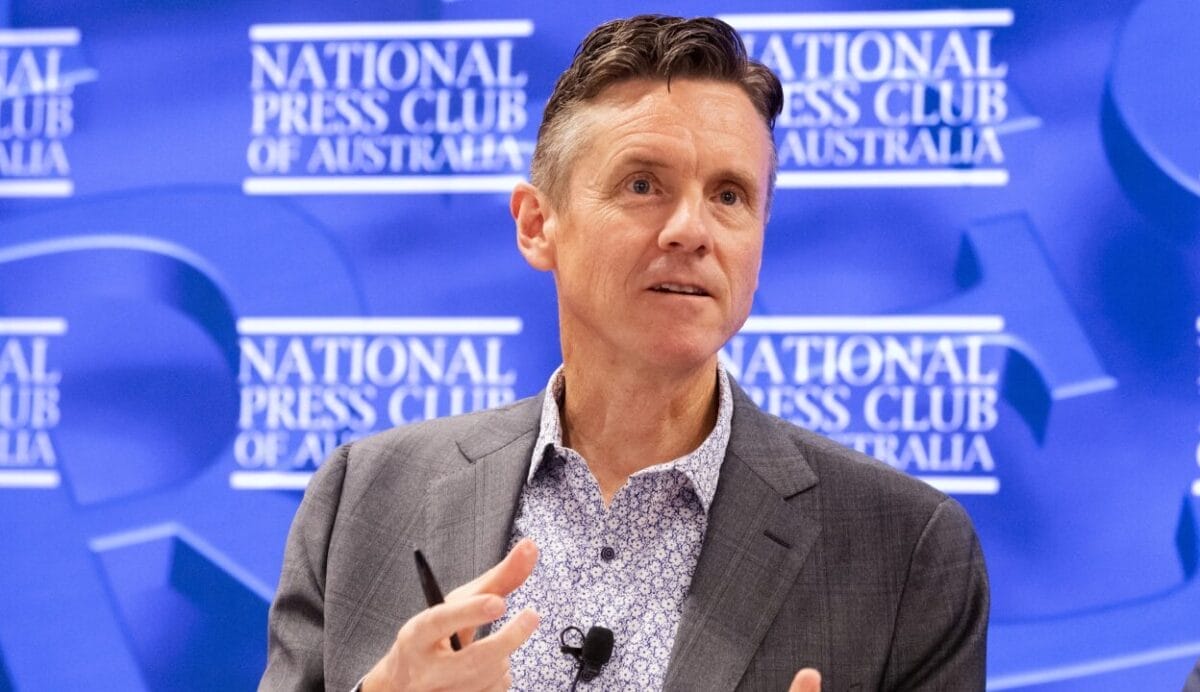
Paul Watson is principal of PDW Advisory and is a former group executive, member experience, for Hostplus.









Leave a Comment
You must be logged in to post a comment.