


This article originally appeared in the print edition of Retirement Magazine Vol. 2
At the heart of the issues many financial advisers face when working with profit-to-member superannuation funds is that funds simply fail, or refuse, to treat advisers as true partners. In pursuit of serving the best financial interests of members, trustees often overlook or forget that advisers themselves have a best interests duty to their clients. In some respects it’s a more onerous duty, because it’s not restricted only to the financial.
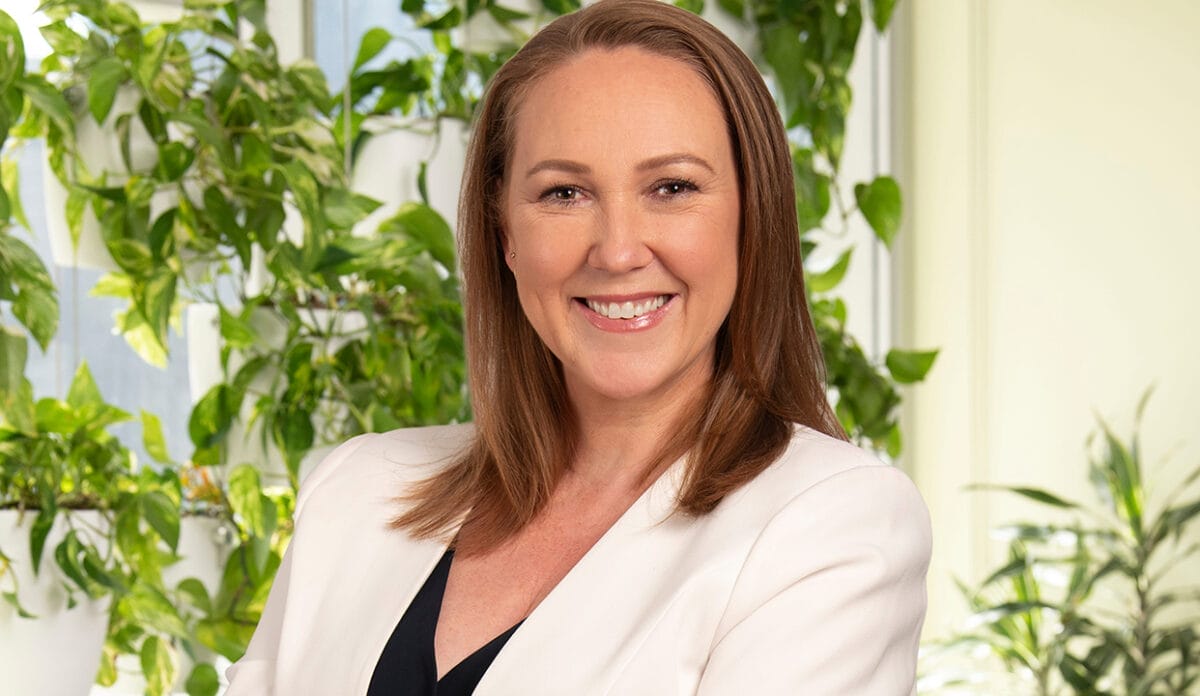
Marisa Broome, principal of wealthadvice.com.au, a former chair of the Financial Planning Association of Australia (now the Financial Advice Association Australia) and a serving a member of The Conexus Institute* advisory board, says profit-to-member funds have an important role to play in helping advisers deliver holistic, comprehensive advice, and in many cases they are the ideal solution for clients.
It’s a popular narrative that advised clients represent a one-way stream of traffic out of super funds, but Broome says there is a range of situations and scenarios where advisers would like to incorporate a profit-to-member fund as part of their broader advice offering. She says funds need to stop treating advisers automatically and necessarily as the enemy.
Broome says she works with clients who come to her with a range of different starting points. She says it “was once rare that they come to me with a profit-to-member fund, it’s starting to grow a little bit”.
“Recently, more have come to me in a position of crisis, and I actually want to put them into a profit-to-member fund in that moment,” she says.
“I often inherited them with a self-managed super fund, and they have no longer the capacity to manage it. In fact, I actually question whether they’ve ever had the capacity to manage it: their previous advisers were actually in control,” she says.
“They’ve underperformed. They’re not the right structures. They’re now no longer able to do it, and a profit-to-member fund is a wonderful solution. That’s the current scenario I’m finding, and I’ve had five of them this year.”
Younger clients
Another stream of clients are younger people (often the children of clients) just starting out, who need a straightforward, low-cost, low-hassle option.
“It’s cost effective, it’s easy,” Broome says. “There’s a great app that they can get engaged in, and we can start building that ‘what does superannuation mean for you?’ type story with them.”
Broome says she also sees people marooned in retail products without advice since banks left the field.
“More often than not, they were in a retail product, and they’re now looking for an adviser because the banks aren’t in advice anymore, and they need someone to help them as they prepare for retirement,” she says.
For a fourth stream of clients it has proven more difficult to include a profit-to-member fund as part of a solution.
“I’ve had a number of clients who have brought me their parents who have recently downsized and don’t have superannuation, but at 75 and they’re quite healthy, they’ve probably got 20 years ahead of them in life expectancy, a downsizing contribution is a really good strategy for them into super,” she says.
“Try opening a super fund for a 75-year-old who has never had a super account. It’s almost impossible, because the system in the industry funds doesn’t allow it.”
Pros and cons
Broome says that when clients have been placed in SMSFs inappropriately, their lack of understanding of what they’re doing is glaring. For such clients, moving into a profit-to-member fund can be a relief. However, the real difficulties arise when trying to act as an adviser with profit-to-member funds.
“If a client is used to dealing with an adviser, they will still want the adviser in the loop. And so the fund that I would select would need to allow me to be in the loop in some way. A lot of them say they allow the advisers to be in the loop, but the harsh reality is they don’t.
“This fund wants to be able to refer to me as well as give me access and this is not what I need or want.”
– Marisa Broome
“I don’t want to name funds specifically, but [one large fund] wanted to see my last two compliance reports, almost my financial statements, for me to be on their panel, so they can refer to me, so I can charge fees to the client’s account and get access to their adviser portal. I don’t want that. I don’t want referrals from them. I just want access to their portal. But this fund wants to be able to refer to me as well as give me access and this is not what I need or want.”
By contrast, she says, another large fund allows more straightforward access, but even then, the process can be clunky.
“With [one fund], I can get a client to allow me to log in, but I have to log in as them. I have to use their password to log in to get their information, and that’s not appropriate, either. I should have my own access, my own password. They should be able to track that it’s me logging in. The client should authorise whether I can just view it or actually swap the portfolio around.”
Broome says that if profit-to-member funds want to know what advisers are looking for, and how to work with them as partners, they need look no further than the established adviser-focused platforms such as (but by no means only) CFS, Panorama, HUB24 or Netwealth.
“One of the reasons I start by always referring to HUB24 is because HUB is one of the few platforms where you don’t need an adviser to be linked to the client account. I can open the account for the client, but if the client wants to do something in that, it’s their money and they can actually override me, and they can change the level of authority. I’m much more comfortable with that relationship.”
Misunderstanding advisers
Some funds still fundamentally misunderstand the role of advisers and are fearful of them as a result. Some are fearful for good reason, though, having seen high-balance members spirited away to alternatives that might be more lucrative for the adviser.
But Broome says they need to get over themselves.
“They think we’re only wanting leads and referrals rather than actually solutions,” she says.
“I’m not interested. There’s 15,000 advisers left in the country, and I could take on 10 new clients a week, I’ve got that many inquiries. We have to triage them, and some we take, and some we don’t. But at the moment, I can’t deliver advice this year to a new client. I have no capacity to deliver advice this year.”
What would help is better technology and genuine partnership, she says.
“For every dollar they spend on adviser technology it’s like a five-fold return for them, because someone will come and seek advice because they’ve got a lot of money. Generally, they’re actually quite wealthy. And if those funds want to retain large accounts, they need to engage with us across the board.
“By engaging with us, it’s a win-win for everyone. It’s a win for us, it’s a win for them. They have large, sticky accounts that last for a long period of time.”
The Conexus Institute is a not-for-profit think-tank philanthropically funded by Conexus Financial, publisher of Retirement Magazine.








Leave a Comment
You must be logged in to post a comment.