

Momentum is building within the sector for super funds to move beyond a traditionally risk-averse culture to one that encourages well-managed risk-taking, especially around designing innovative retirement income products for members.
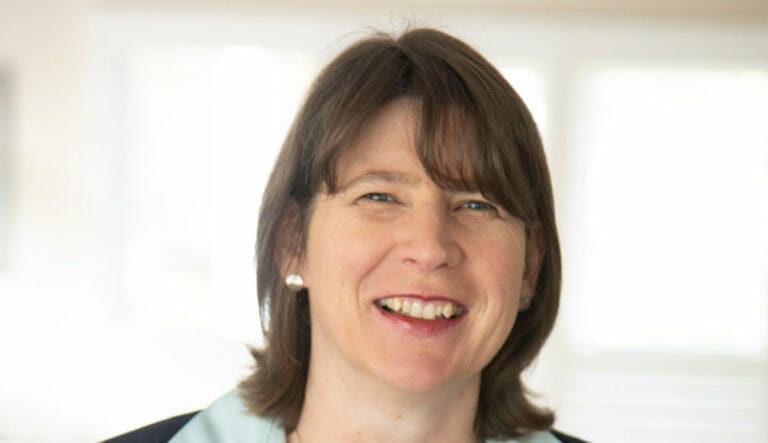
The sentiment was revealed in a Fund Executives Association (FEAL) survey on top-of-mind issues for super fund executives, including interviews with 35 leaders. The association’s chief executive Katrina Bacon says as funds get bigger and more complex they cannot afford to keep “turning down risks”.
“It’s not [that] we must be the riskiest businesses,” Bacon, who worked in KPMG’s superannuation advisory business for two decades before joining FEAL at the helm in 2023, tells Investment Magazine in an interview.
“But is there too much focus on risk without taking the opportunities that are presented and will ultimately benefit members, because that’s what it’s all about.”
Retirement is one area where funds need to be more courageous in coming up with innovative solutions. Bacon concedes that many executives are still apprehensive about the lack of policy information and the cost of product risk, but they need to develop the “confidence to nut that [retirement offering] out”.
Signs of that are already starting to emerge as top fund chairs recently said at an Investment Magazine forum that they will progress their retirement and advice offerings “with or without” legislative certainties from the protracted Delivering Better Financial Outcomes reform.
“[Retirement] is not in the risk area, it’s not in the strategy area, it’s across the whole gamut of the fund. That’s the obvious opportunity,” Bacon says.
The other trend observed in the FEAL survey is a changing of the guard at the top of funds including the exits of several high-profile CEO and chief investment officers. Top jobs open right now include the CEO role at HESTA, soon to be vacant by Debby Blakey, and the CIO position at AustralianSuper and the Future Fund after Mark Delaney and Ben Smaild, respectively, announced their departures.
Another role which has become more visible is the chief people officer, as funds expand their reach across regions and disciplines. This leadership position is increasingly crucial for ensuring “workforce cohesion”, the survey says.
Executives also highlighted to the survey that members today are increasingly expecting better customer experience as they are used to expectations set by companies such as Netflix and Uber, and that the “dual demand” to balance prudential compliance with soft consumer demands is one of their biggest challenges.
Cyber security is also top of mind following last year’s industry-wide attack which compromised thousands of accounts and led to some members losing their precious retirement savings. The survey suggests super fund leaders recognised the need for a more rigorous authentication process and threat intelligence.
Bacon flags a generational change of leaders within super funds.
“[Modern super fund executives] need to be more sophisticated in their roles. They’re more special in their roles, whereas they used to be more reliant on an outsourced provider and they would learn on the job,” she says.
“But you can’t operate in isolation, everything you do in the fund impacts another area. So, you need to be able to communicate with your peers and your teams wherever they are.”






Leave a Comment
You must be logged in to post a comment.