


This article was produced in partnership with AIA Australia.
Mental health claims across group and retail life insurance policies are expected to reach more than $4 billion this year, according to data from the Council of Australian Life Insurers and Conexus Financial – a trajectory that is unlikely to change. But the ways that superannuation funds and insurers are dealing with mental ill health are flawed, according to Deanne Stewart, chief executive of the $210 billion Aware Super.
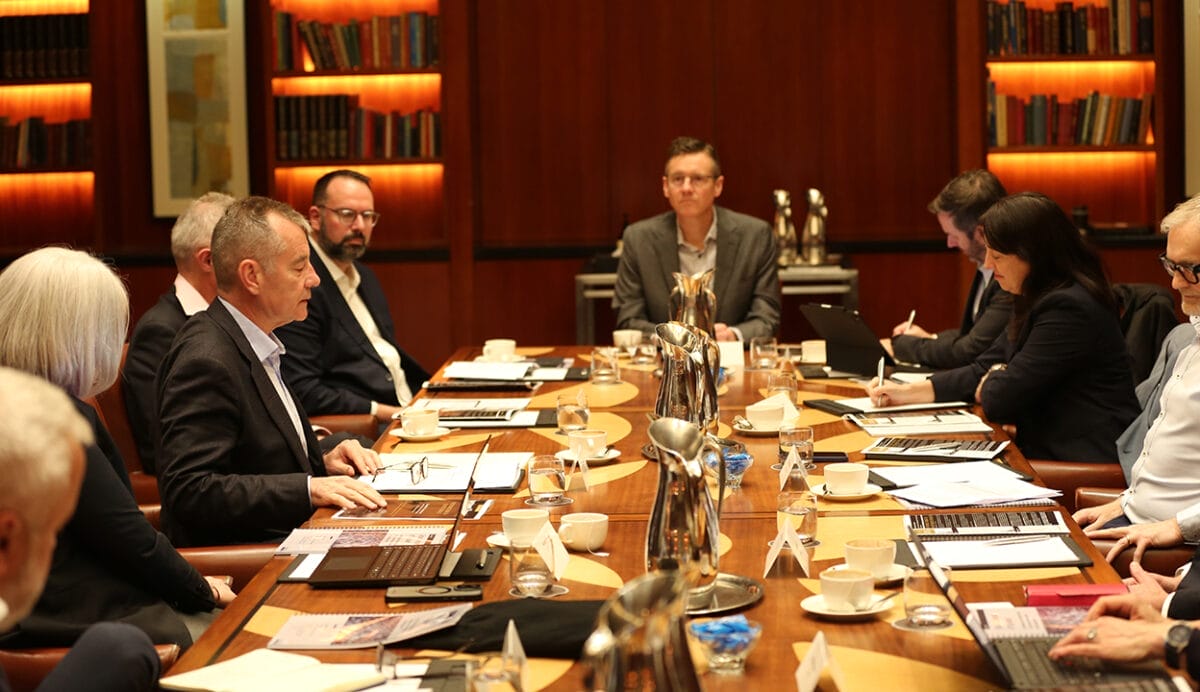
“The way that the system is constructed is possibly good for 30 years ago, but it doesn’t match work today,” Stewart told an Investment Magazine roundtable last month, held in partnership with AIA Australia. “And I do think insurance inside super, particularly as it relates to TPD, just needs a fundamental overhaul.”
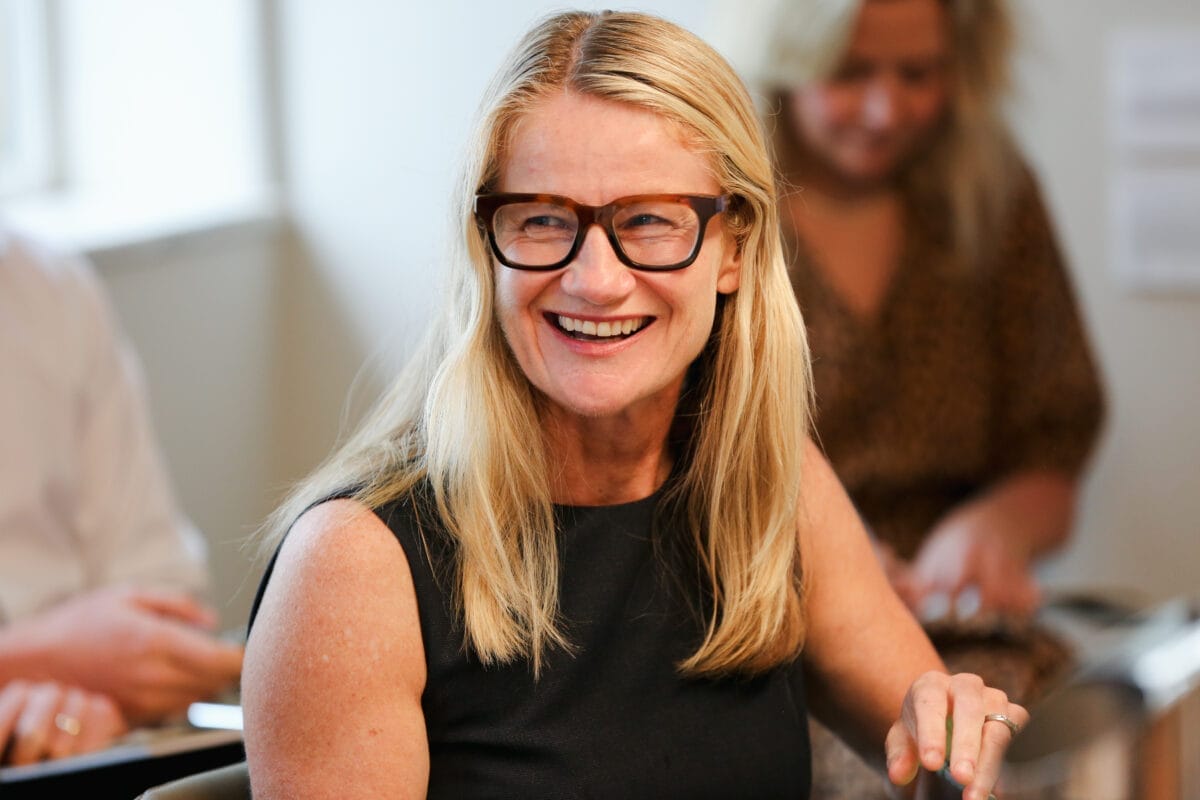
“We’re looking at redesigning, but you’ve got to do that within the letter of the law. I do think CALI can play a role and super funds can play a role on how this should be systematically redefined and put back into the SIS act.”
Stewart said that cost of living pressures mean members that are experiencing mental ill-health are incentivised to claim in order to support themselves and their families, but that there is rarely a pathway built into those benefits to help people return to work, and that super funds and insurers lacked the ability to launch early interventions.
“It’s busted,” Stewart said. “It was designed for physical health ailments, not mental health ailments. The thing that’s been on my mind as the conversation has gone on is how you really get in and help with early detection? What role can we as a system play in that with employers?
“We see 38 per cent of our mental health claims come through four departments, so we’re in those departments with our insurer asking how we can do some of the early intervention things and making sure they know about telehealth services – but what can we do that starts even earlier than that?”
Early intervention
While community and corporate understanding of mental ill health has improved over the past decade, the systems for dealing with it have not, according to Damien Mu, managing director and chief executive of AIA Australia. Benefits simply aren’t designed to support people who are suffering mental ill-health.
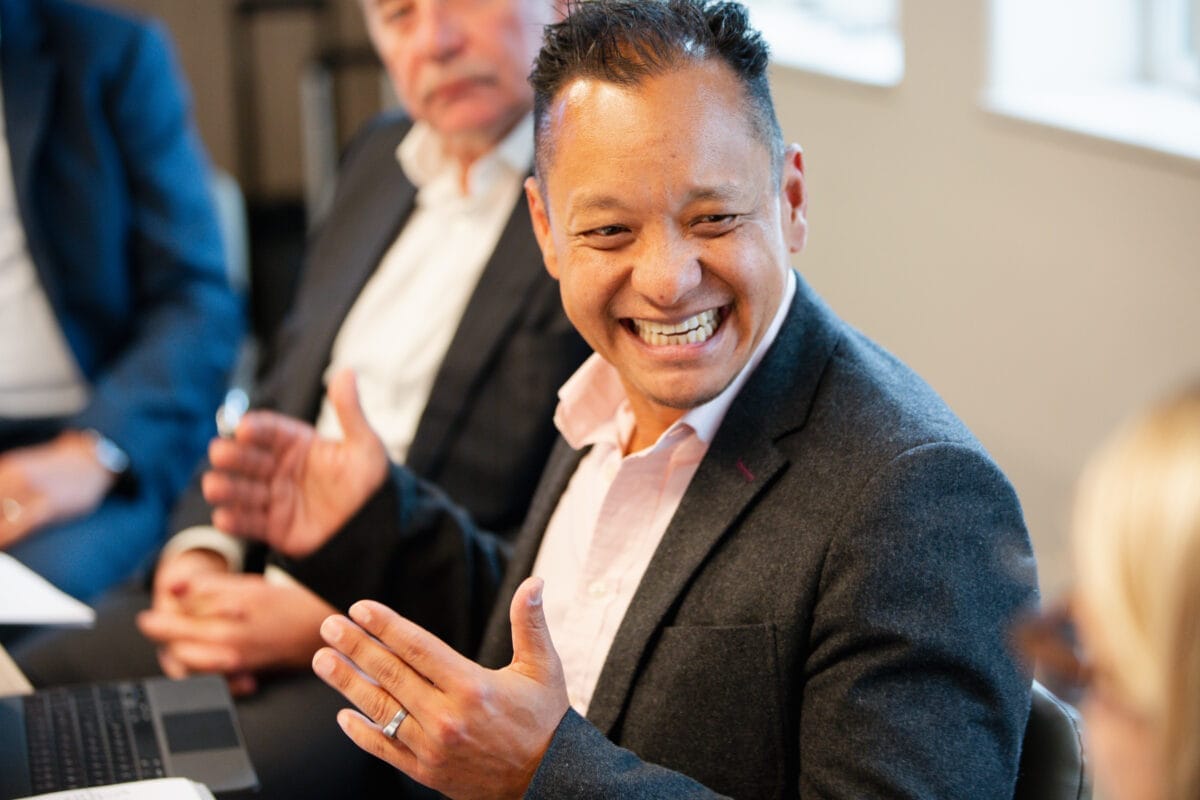
“I think we’re at an inflection point where we’re saying, at CALI, that mental health is like physical health; a very broad spectrum, not just black and white,” Mu told the roundtable. “So how do we get closer to understanding that spectrum of needs around severity, permanence, function, capability, so that we can actually design benefits, then get them matched to care at the right time?”
“We’ve seen a lot of work and recognition across the life and superannuation partnerships of the need to address that and help people recover rather than having this sort of ‘pay and close’ mentality that doesn’t support them… If we could get that early intervention right we’d all be much more successful. It’s got to be more about the services and not waiting until it’s a claim.”
Mu said that organisations need to “rewire their thinking” – move from downstream to upstream, defence to offence – and argue their case more strongly with the government.
“We’ve got the economic data and the financial data, but we haven’t done a good enough job of leveraging that data to get a mindset shift from the government… The government just put another $25 billion into hospital funding, and that’s great and we can congratulate that. But can we maybe get a couple of basis points of that into some intervention programs?”
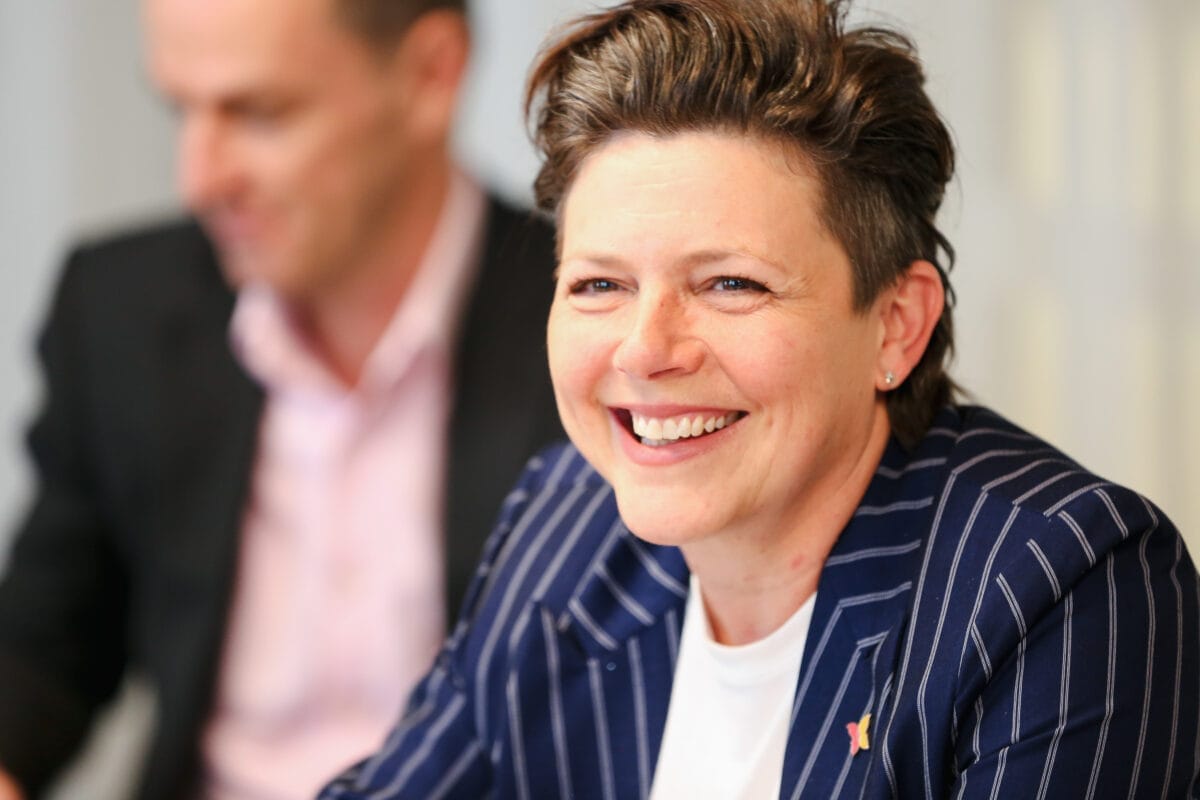
Financial stress is the major driver of mental ill health in Australia, according to Georgie Harman AO, chief executive of Beyond Blue, with 46 per cent of Australians saying it is their number one cause of distress. That’s followed by relationship issues, housing affordability and lack of social connection. As people experience more of those stressors in combination, their rates of distress naturally increase – an effect that is compounded by delays in help seeking. About one in eight Australians are waiting for 10 years before they take the first step towards getting help.
“There’s a huge opportunity that’s borne out by the data and insights to say we have to act earlier and stop medicalising things, and we have to get different solutions into different workplaces at scale and sooner. The consequences are really clear.”
There has been significant government investment in mental health, but it’s questionable whether that investment is flowing to the right areas… said.
“Mental ill health is not a linear progression; at any point in time, somebody experiencing it needs to be matched with a specific support delivered by through a specific person, technology or channel, and at the right place and time.
“We don’t have that at the moment. It’s a real patchwork., We’re investing so much in these health paradigms, and forgetting about social determinants. The data is really clear: it’s housing affordability, it’s relationship stress, it’s childhood trauma, it’s poverty, it’s this growing inequity that is really the stuff that I think, if we’re going to make this intentional shift towards prevention and early intervention, needs to be part of the solution.”
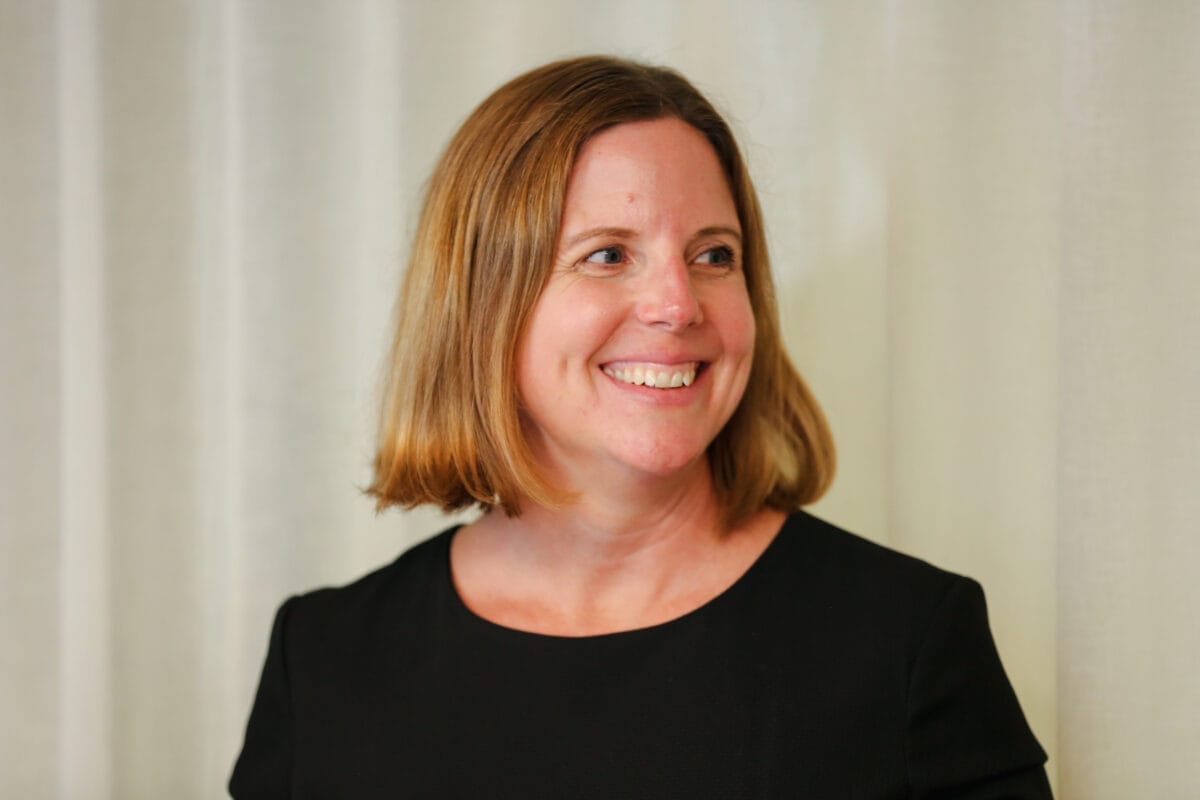
Lucy Hartley, head of shared value and wellbeing at AIA Australia, says that insurers have typically been good at supporting people after they become unwell and when they’ve submitted their claim – and that’s “way too late”.
“The huge opportunity for us is in that prevention and early intervention space, and being able to work directly with employers, and that’s often through funds,” Hartley said/
But selecting the employers that are best to work with is challenging. The “real opportunity” is to look at their data; absence data, workers’ compensation data, and life insurance data. An employer might know that they’ve got a mental health problem related to workloads or burnout, but not that they have one stemming from a high incidence of physical ailments.
“Bringing that whole story together and then working collectively with the employer on prevention is where I think we’re really going to succeed.”
But in the case of Rest – which has more than two million members – not all employees of the large organisations it services will be a member, and not all of them will have insurance.
“We have around 300,000 employers working with Rest, ranging from very small businesses to large organisations,” said Scott Tully, the fund’s general manager of product. “That breadth means engagement with employers on mental health will look very different for different employers.”
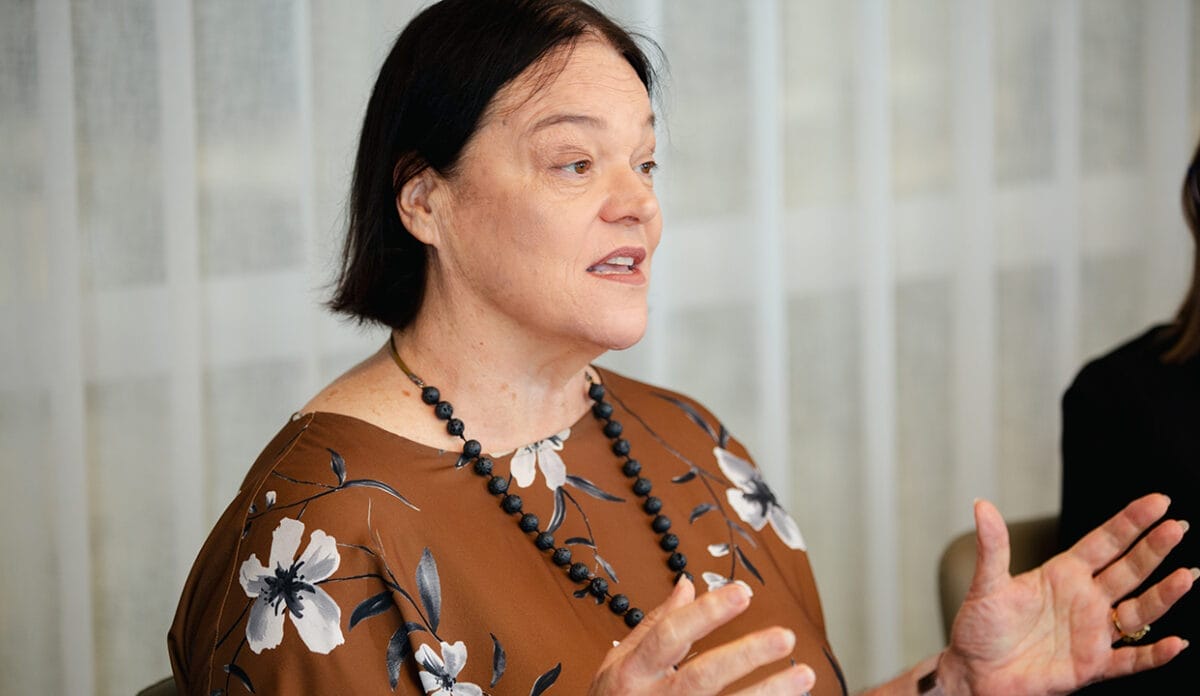
Tully also said that funds need to be keeping a close eye on the increasing number of financial hardship claims.
“We’re seeing an increase in financial hardship claims and people are accessing financial support through super. While super can provide important short-term relief, we’re conscious of the impact on retirement balances and the affordability of insurance cover. It’s important to help members through financial hardship but we are also mindful of their future financial wellbeing.”
Benefit design
For Colonial First State, musculoskeletal injuries used to be the largest cause of claims. It’s now “very much” mental health conditions, according to Craig Harrison, the fund’s director of insurance, and that trend continues to grow: almost 50 per cent of TPD claims are mental health condition related, with that trend now creeping into income protection claims as well.
“I definitely feel and advocate that the time has come for the industry to stare into this 30 year old TPD design and find a much better way of doing it,” Harrison told the roundtable. “Income protection is probably getting closer to it, but then there’s still a requirement that the member isn’t at work when what we want is for them to be at work.
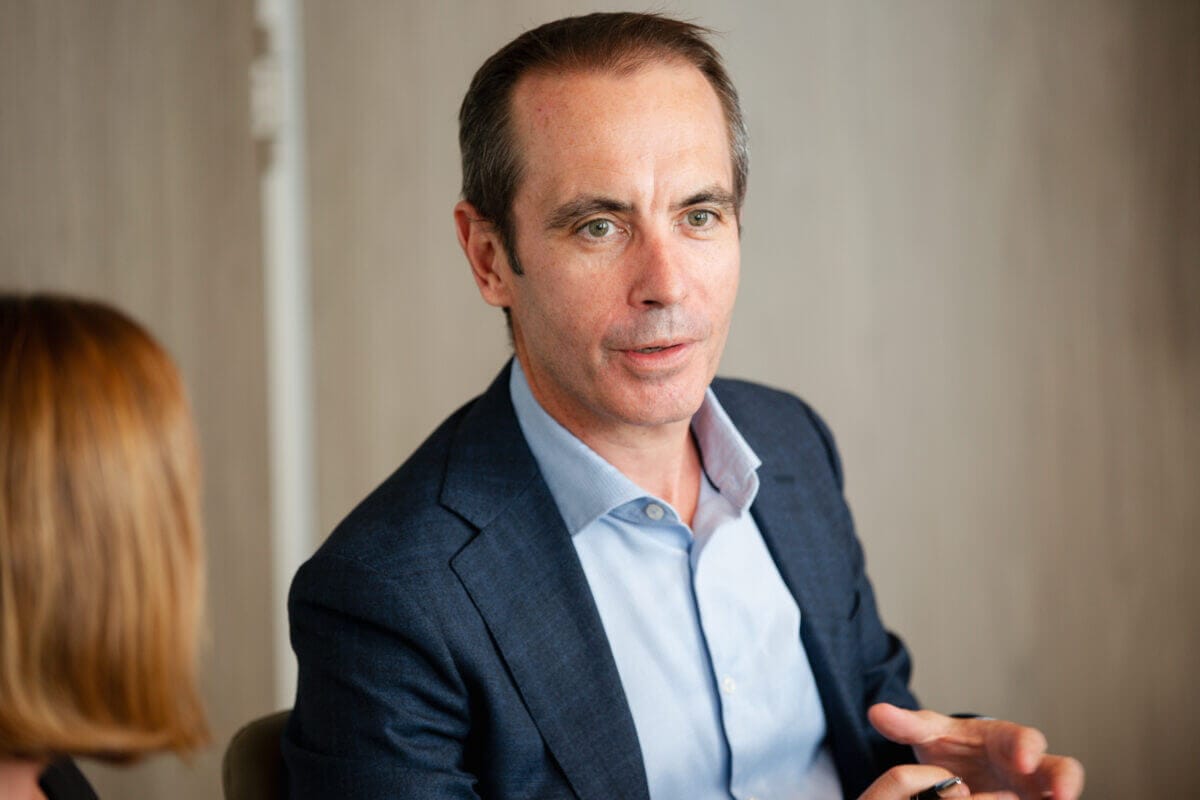
“This whole concept of a TPD benefit that at best is only going to be able to pay out around $200,000 to members in a default setting is increasingly irrelevant with the financial pressures in the economy today. The benefits have to got to flip to how we are able to provide financial support to members to help them take a break from work if that’s what they need but have a pathway of coming back to it.”
The last time group insurance saw a “crisis” like the one it is currently experiencing was almost a decade ago, during the royal commission, when there was a loss of confidence in the community and with the government and regulators around the role that group insurance should play in super and a push to remove it entirely from the super system.
“Thankfully, the industry rallied together,” Harrison said. “There was a voluntary code of practice that was established and improved a lot of the outlook. This might be a different set of circumstances and a different need, but I think we’ve got to come up with a collective on what the way forward is and start to move towards that.”
Cbus, like other funds, is experiencing a noticeable increase in mental health-related claims. But while its membership is largely young men that get married, start their careers and have a family early – and who might not be well-equipped to handle all those changes – Kristian Fok, the fund’s CEO, feels that the rate of increase in mental health-related claims is not as great as at some other funds.
He thinks that stems from “deliberate interventions” on mental health industry wide, including through a program called MATES in Construction, which have created a “tangible and positive impact”. But when it comes to benefit design, Fok is sceptical that the fund has achieved the right balance by only offering TPD and no intermediate support for those experiencing mental ill-health.
“How do we think about our product in a better way which start to give that space early without having to leave things to that extreme? Because it’s very tempting for young men who feel they are obliged to be the breadwinners to think that the only way out and the financial solution is effectively through the insurance that you provide.
“There’s a dilemma there in that you want to look after the family, but does it also contribute a bit? We’ve seen in our data – not so much about suicide – that there’s a higher incidence of claims where the number of children is larger. It becomes a sort of silver bullet. So as an industry we need to rethink how we offer support for those things in a different way.
One way to solve that problem is to not provide TPD as part of a default insurance offering. People working in health and community services are 2.5 times more likely to experience a psychological injury than any other industry, according to HESTA chief strategy officer Sam Harris, but the fund does not typically put TPD in front of its members.
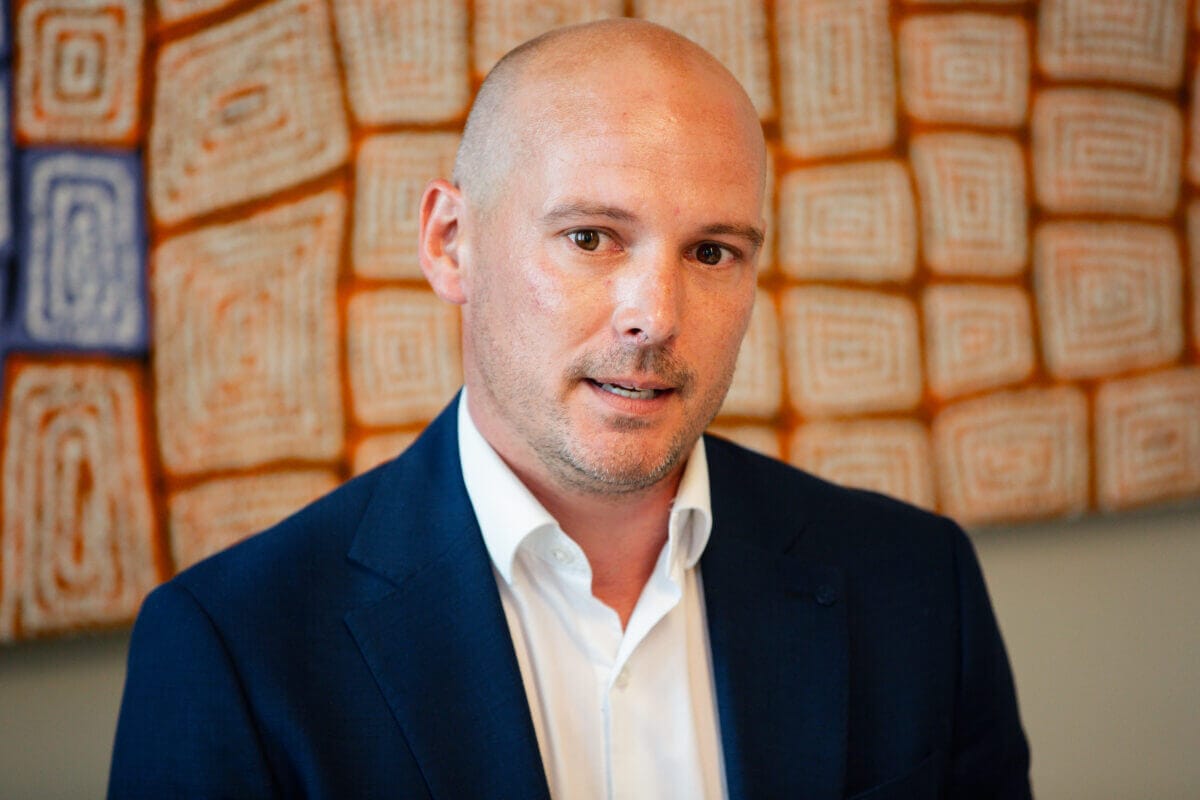
“I’m very lucky that the people before had the foresight to not offer TPD as part of our default offering,” Harris told the roundtable. “We have a long-term income protection benefit as our default – five year long-term income protection – and that allows us to partner with AIA and walk alongside our members and help them return to work if they are able to, irrespective of what their injury is.”
“It’s not to say that we don’t have issues, but we are quite lucky in terms of our product design and the way we’ve approached that,” Harris said. “Over the last three years we’ve been able to reduce our insurance premiums three years in a row, and that’s a very different scenario to what many in the industry are facing right now.”
Stuart Wilkinson, the chief member officer at ESSSuper – which has historical links to the emergency services in Victoria – wants to work with The Police Association of Victoria (TPAV) to burnish the “narrative” of it being healthy for people to stay in work.
“What can we do to maintain that connection?… The insurance assessment doesn’t mean that you have to keep working in the police force,” Wilkinson said. “Maintaining a job somewhere is important – so what can we do, and what can TPAV do, if there are people who don’t want to go back to the police force, that they can find another job to stay gainfully employed?”
Wilkinson said that aspects of benefit design like “gainful employment” – where claimants are allowed to do part-time work up to a certain amount that matches their full-time salary prior to their claim being approved – can
“Always the narrative has been that you’re allowed to do a little bit of work but you’re not allowed to do much,” Wilkinson said.
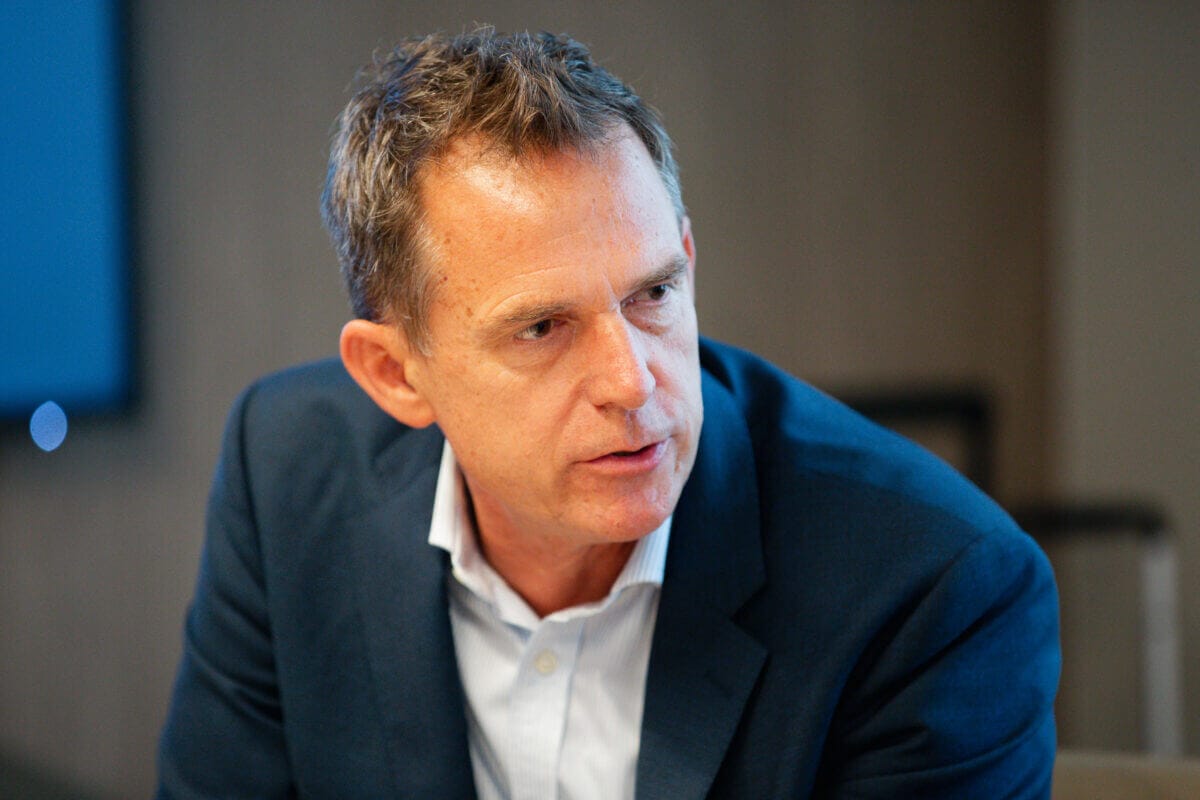
“It’s all about limitation; I’m wanting to turn that around and say ‘Getting back to the workforce is a bloody good idea’. Find a job, and we’ll help you find a job, because once you’ve found a job and worked up to that limit you may then find yourself in a position to go beyond it and that this arrangement in place now is not working for you.”
In the past, Wilkinson has worked with SuperFriend, and says that one of the greatest challenge they faced with their programs was how to scale them to the whole industry. He thinks that for the conversation around mental ill-health to change, it must take place at a whole-of-society level and be championed by the government.
“There are campaigns you’ll remember. Back pain – what’s the saying? Don’t take it lying down. That was the WorkCover saying in Victoria. Where is the campaign that talks about incentivising people to work, that shows that work is part of a normal life? We don’t talk about that. We focus on depression and anxiety… We can look at the way our products are designed and how we’re managing the claims process, but once an actual claim is put in it might be too late.”
Tricia Blight, chief executive of Super SA, which services South Australian public sector employees, says that the “consistent, systematic approach” to mental health in the South Australian government means that many of its members are receiving help before they reach a point where they feel they have to lodge a claim. Members can have face-to-face counselling and urgent crisis counselling, and aspects of the employee assistance program also extend to families as well.
Like HESTA, Super SA’s default insurance offering is income protection – around 25 per cent of its claims are mental ill health-related.
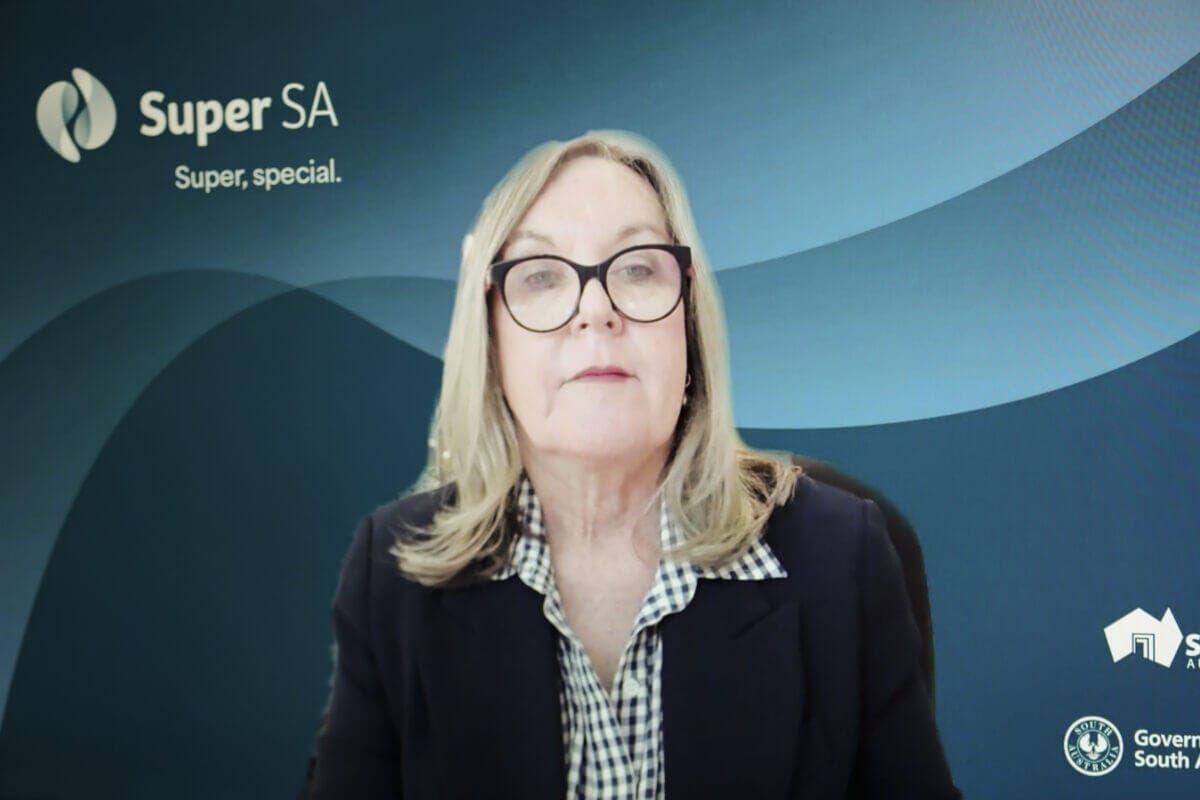
“The thing we have that is unique is with our IP your support will top up the difference when you go back to work,” Blight said. “You can rehabilitate; of our current mental health IP claims, around 16-20 per cent are on a rehabilitate to work program. They get 75 per cent of their salary plus 9.75 per cent of their super contribution.”
It also has a different approach to the lodging of mental health claims, taking the advice of a GP rather than a psychologist or psychiatrist.
“We try very hard to avoid needing to get independent medical advice because that’s quite stressful for people who are unwell with a mental health condition,” Blight said.
Mental health issues relating to group insurance will be a key theme of the Investment Magazine Insurance in Super Summit 2026. To register or for more information visit https://www.investmentmagazine.com.au/category/events/insurance-in-super-summit/2026-insurance-in-super-summit/







Leave a Comment
You must be logged in to post a comment.