


Treasury is canvassing views on a host of consumer protection uplifts in super, including whether it should apply waiting periods for all inter-fund super switches and impose a legal obligation on trustees of retail platforms to compensate members for member losses arising from fraud or theft.
The proposals were contained in three consultation papers released by Treasury on Wednesday morning, covering superannuation member protections and trustee obligations, the sustainability of the compensation scheme of last resort (CSLR) and stricter enforcement on lead generation services.
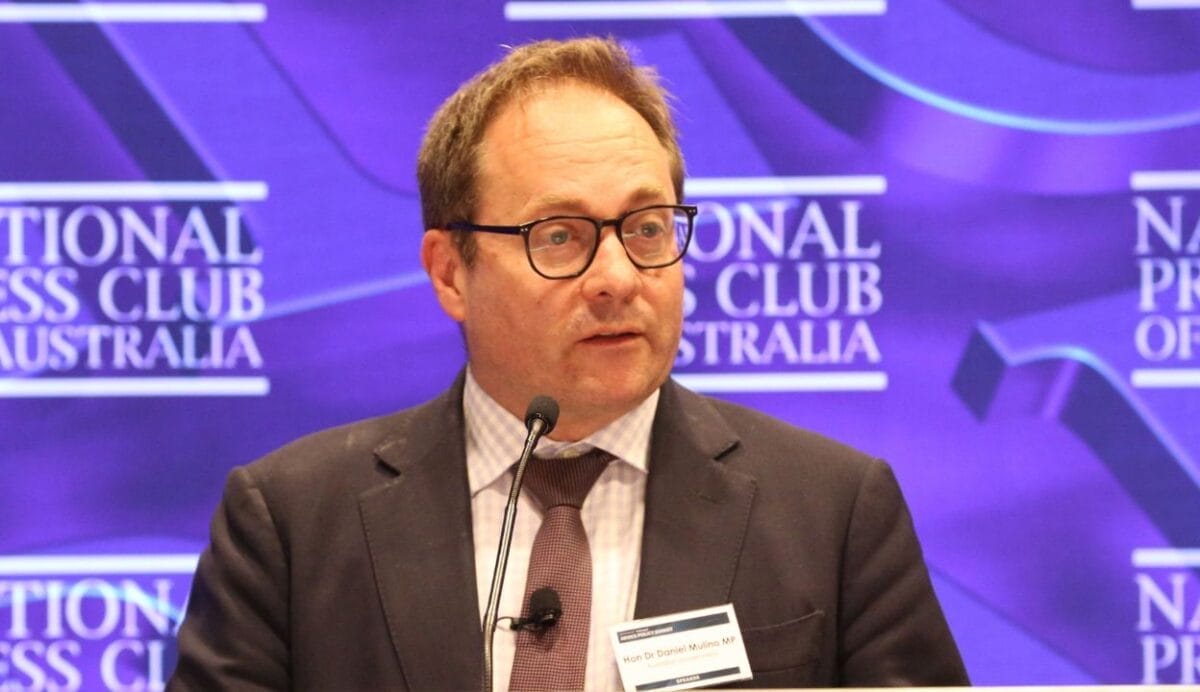
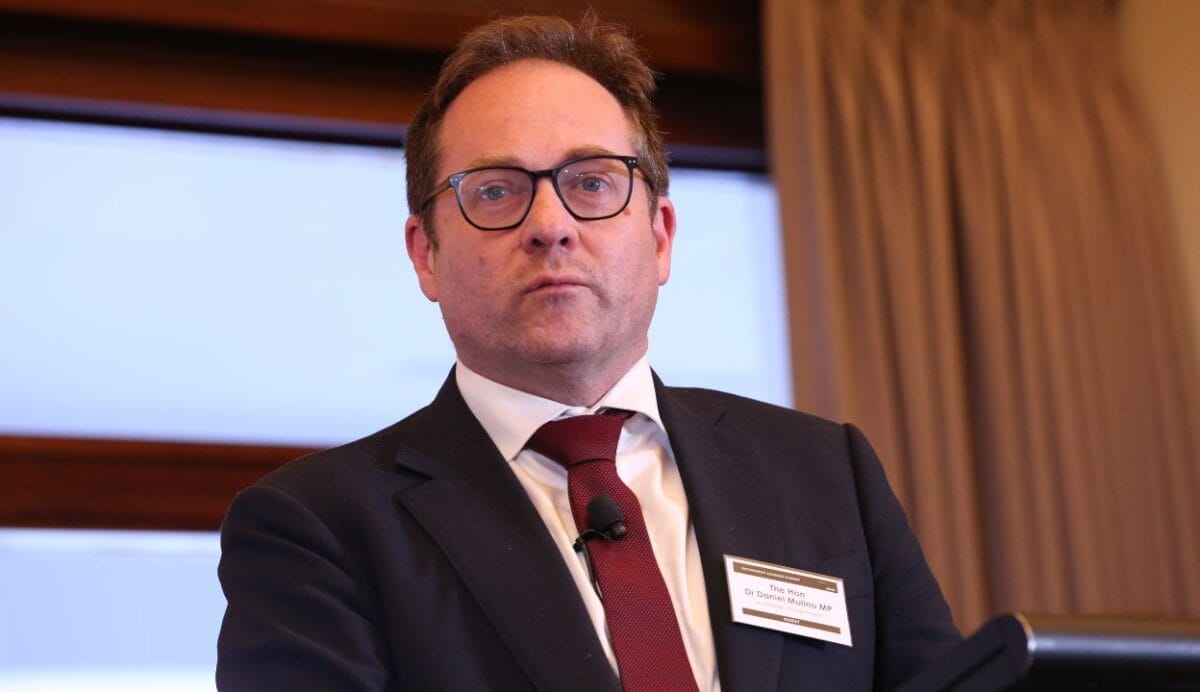
The collapses of the Shield and First Guardian Master Funds, which impacted over 11,000 consumers and more than $1 billion of superannuation funds, have highlighted the need for a comprehensive reform package which responds to the ecosystem of alleged misconduct surrounding these failures,” said Minister for Financial Services Daniel Mulino in a release.
“This includes protecting consumers as they are navigating the superannuation system, tackling high‑pressure sales tactics like lead generation and ensuring the sustainability of the compensation scheme of last resort.”
The proposed cooling-off period for super switching, previously flagged by Mulino, would require members to confirm their request with the transferring fund after a delay (Treasury uses five days as an example). Treasury is weighing two options – applying the cooling-off period to all inter-fund switches, or only to switches in certain categories i.e. APRA-regulated fund to SMSF, platform or platform offering “higher risk financial products”.
Behind the scenes, profit-to-member and industry funds losing members to the retail platforms and SMSFs will likely welcome the addition of a cooling-off period, though the consultation paper notes that it might not improve protection in cases where the consumer was the victim of high-pressure sales tactics like those used by some lead generators to funnel consumers into the Shield and First Guardian funds.
Another proposal would require platform trustees to compensate their members for “eligible losses” – those arising from external fraud or theft that result in the collapse of an investment product but which would otherwise exclude losses attributable to ordinary investment performance or market volatility.
“This proposal would be likely to reduce pressure on the CSLR arising from mass-loss events in platform products, as has been the case in the Shield and First Guardian collapses,” the consultation paper says.
“This change would reframe the responsibility for compensation losses on superannuation platforms from the broader superannuation and financial services sector to the entities responsible.”
Also on the agenda are a potential ban on advice fee deductions for super switching, ending ‘but for’ determinations from the CSLR, tougher restrictions on lead generation, holding limit requirements for certain platform investment options, and restrictions on entities acting as a “trustee-for-hire”.
The Super Members Council (SMC) welcomed the proposals and said they “go a long way” towards achieving a comprehensive response to Shield and First Guardian that avoids future consumer harm.
“The proposals are important steps towards protecting Australians from catastrophic financial collapses that destroy their retirement savings – but there is an opportunity to go further,” acting SMC CEO Georgia Brumby said in a statement.
“If people are considering switching from a tightly regulated super fund into a potentially higher risk product, they deserve clear, like-for-like information that genuinely helps them understand the difference this will make to their retirement – so they’re not left comparing apples with oranges.”
ASFA CEO Mary Delahunty said that “unregulated lead generators, aggressive sales tactics, and conflicted financial advice have caused real consumer harm” and that the proposals would create “much-needed guardrails”.
“Ensuring consumers experience fewer losses in the first place is the most effective way to stop the CSLR’s costs spiralling out of control,” said ASFA CEO Mary Delahunty.
“The vast majority of Australians have their super savings in a safe, tightly regulated system. But today’s announcements address activity on the edges of this safety zone. We welcome protective barriers where we can see warning signs of danger to consumers’ financial wellbeing.







Leave a Comment
You must be logged in to post a comment.