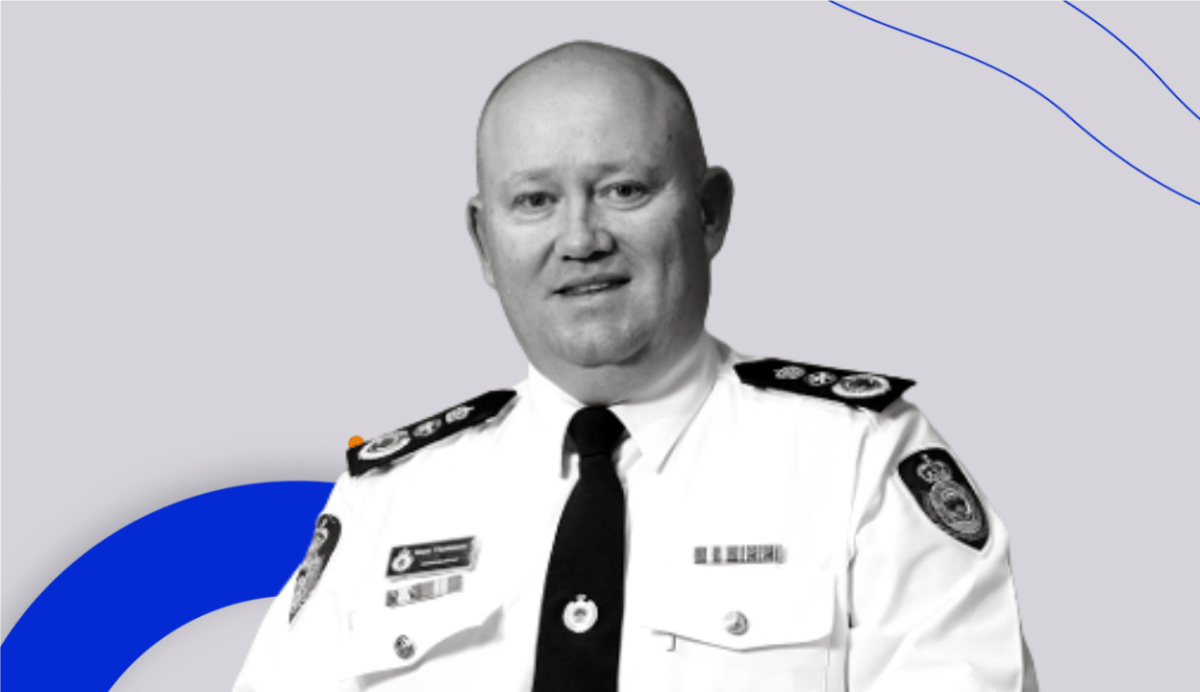
Shane Fitzsimmons on courage and resilience
[vc_quotes layout=”accordion” quotes=”%5B%7B%22name%22%3A%22Shane%20Fitzsimmons%22%2C%22job_role%22%3A%22Commissioner%2C%20Resilience%20NSW%22%2C%22content%22%3A%22%22%2C%22image%22%3A%2261427%22%2C%22linkedin%22%3A%22https%3A%2F%2Fau.linkedin.com%2Fin%2Fshane-fitzsimmons-9312361b9%22%7D%5D” title=”Speaker” el_class=””][vc_quotes layout=”accordion” quotes=”%5B%7B%22name%22%3A%22Colin%20Tate%20AM%22%2C%22job_role%22%3A%22Chief%20executive%2C%20Conexus%20Financial%22%2C%22content%22%3A%22Tate%20has%20been%20an%20investment%20industry%20media%20publisher%20and%20conference%20producer%20since%201996.%20In%20his%20media%20career%2C%20Tate%20has%20launched%20and%20overseen%20dozens%20of%20print%20and%20electronic%20publications.%20He%20is%20the%20chief%20executive%20and%20major%20shareholder%20of%20Conexus%20Financial%2C%20which%20was%20established%20in%202005%2C%20and%20is%20headquartered%20in%20Sydney%2C%20Australia.%20%5Cn%5CnThe%20company%20hosts%20more%20than%2020%20conferences%20and%20events%20globally%20each%20year%20and%20publishes%20three%20digital%20publications%2C%20including%20the%20global%20website%20and%20strategy%20newsletter%20for%20global%20institutional%20investors%E2%80%AFTop1000Funds.com%2C%20Professional%20Planner%20for%20financial%20planners%2C%20accountants%20and%20private%20bankers%20in%20Australia%20and%20Investment%20Magazine%20for%20Australian%20superfunds%20and%20institutional%20investors.%20One%20of%20the%20company%E2%80%99s%20signature%20events%20is%20the%20bi-annual%20Fiduciary%20Investors%20Symposium%20attended%20by%20global%20asset%20owners%20and%20hosted%20in%20the%20Americas%20and%20Europe.%20%5Cn%5CnConexus%20Financial%E2%80%99s%20events%20aim%20to%20place%20the%20responsibilities%20of%20investors%20in%20wider%20societal%20and%20political%20contexts%2C%20as%20well%20as%20promote%20the%20long-term%20stability%20of%20markets%20and%20sustainable%20retirement%20incomes.%20%5Cn%5CnTate%20served%20for%20seven%20years%20on%20the%20board%20of%20Australia%E2%80%99s%20most%20high%20profile%20homeless%20charity%2C%20The%20Wayside%20Chapel%3B%20and%20he%20has%20underwritten%20the%20welfare%20of%2060%2C000%20people%20in%2028%20villages%20throughout%20Uganda%20via%20The%20Hunger%20Project.%20In%202021%20was%20appointed%20as%20a%20Member%20(AM)%20of%20the%20Order%20of%20Australia%20(General%20Division)%20for%20significant%20service%20to%20the%20community%20through%20charitable%20initiatives.%20%22%2C%22image%22%3A%2260053%22%2C%22linkedin%22%3A%22https%3A%2F%2Fwww.linkedin.com%2Fin%2Fcolin-tate-839a5a181%2F%22%7D%5D” title=”Moderator” el_class=””]