
Legg Mason has completed its purchase of the former asset management businesses of Citigroup and is set to operate under its two main brands in Australia – Legg Mason and Western Asset.The firm is currently in discussions with the various funds management branches of the group to see what products will be distributed in Australia. These include the Batterymarch and Brandywine subsidiaries, which are well know in the US mutual fund market, as well as the recently acquired hedge funds operation, Permal Group, as well as products sold under the Legg Mason name. The Western Asset range, however, is currently under an exclusive distribution arrangement with IOOF/Perennial. But the former Citigroup Asset Management fixed interest team, based in Melbourne, is expected to become part of Western, which is a renowned bond manager, in time. The Australian equities team, also in Melbourne, will report to Legg Mason. Legg Mason will be able to offer a unique and diverse range of products through its Australian sales team, under head of sales, Kimon Kouryialas. The combined group, including Permal, has about $US830 billion under management ($US400 billion from Citigroup), and has become the fifth-largest manager in the US. Legg Mason is the largest supplier of individually managed accounts in the US, however, it is considered unlikely that this service will be offered in Australia in the short term. As part of the worldwide deal, Citigroup acquired Legg Mason’s brokerage arm and retains a minority shareholding in the Legg Mason holding company. It also received $US500 million in cash. Citigroup has agreed to distribute Legg Mason’s products through its various business units. The Australian subsidiary is that formerly owned by JP Morgan Investment Management, which was acquired by Salomon Smith Barney and then by Citigroup in the 1990s.

06/12/2005
citigroup, largest, accounts, unlikely, melbourne, mason, brokerage, acquired, permal, managed, retains, currently


Investments
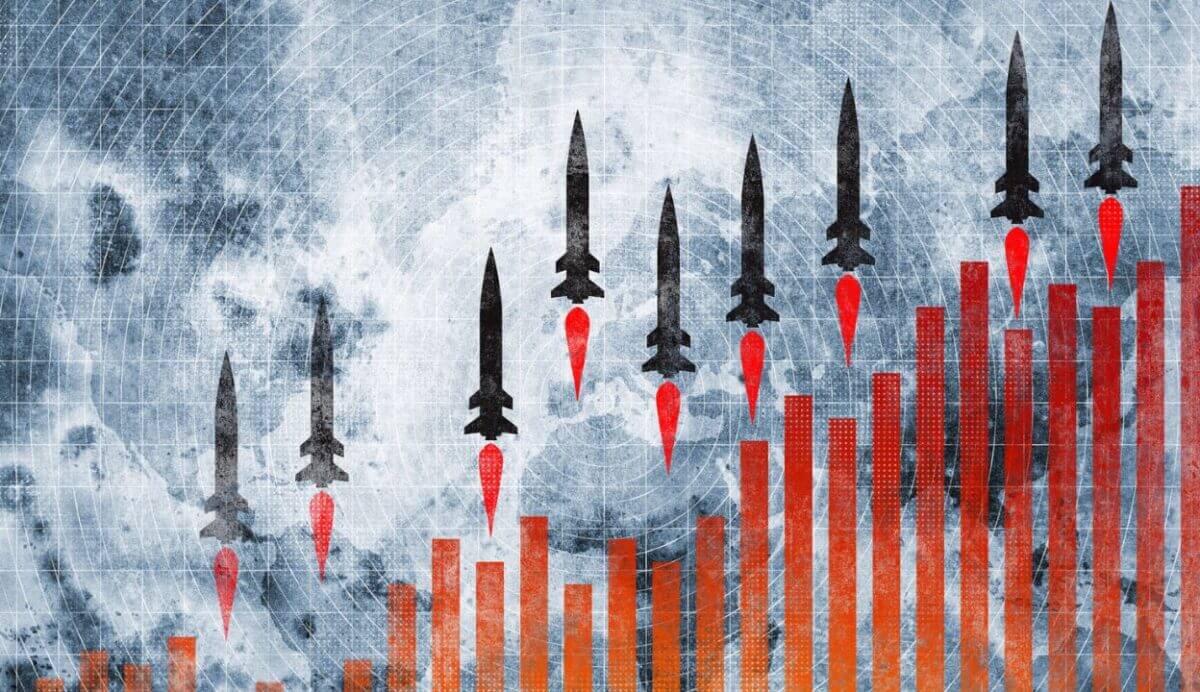
Some investors are “missing the point” of geopolitical risks by equating them to the disruptions from conflicts and wars, according to GIC chief economist Prakash Kannan, but in reality, geopolitical risk is no longer episodic or peripheral. This means investors need to think harder about inflation and country composition in their portfolio.





Leave a Comment
You must be logged in to post a comment.