
For most Australian super funds, January has already erased the earnings of the financial year to date and beyond. But the members of some funds have more to gripe about than others, according to research house SuperRatings.
While most balanced options appear similar, the difference between performance in the top and bottom balanced options during 2007 ballooned to over 10 per cent, with some funds delivering more than 5 per cent lower returns than the median, a SuperRatings report said. Jeff Bresnahan, managing director of SuperRatings said that people were entering into a balanced options assuming that they were all they same. “[But] when you have some funds delivering 6 to 7 per cent lower returns year on year, there is clearly a big difference.” Bresnahan attributed the greater range of returns to a growing disparity in the asset allocation between super funds. But some funds clearly have an inferior investment process, he said, as they have also had long-term underperformance in Australian equities. Bresnahan said the ongoing search for alternative assets by some funds and not others has led to the underlying assets looking decidedly different. Members who have found themselves in an underperforming fund have a reason to feel cheated, he said. “From a consumer’s point of view they look disturbingly similar, with similar stated objectives and risk profiles.”

22/01/2008
underlying, bresnahan, superratings, delivering, balanced, inferior, ongoing, returns, alternative, allocation, difference, underperformance



Investments

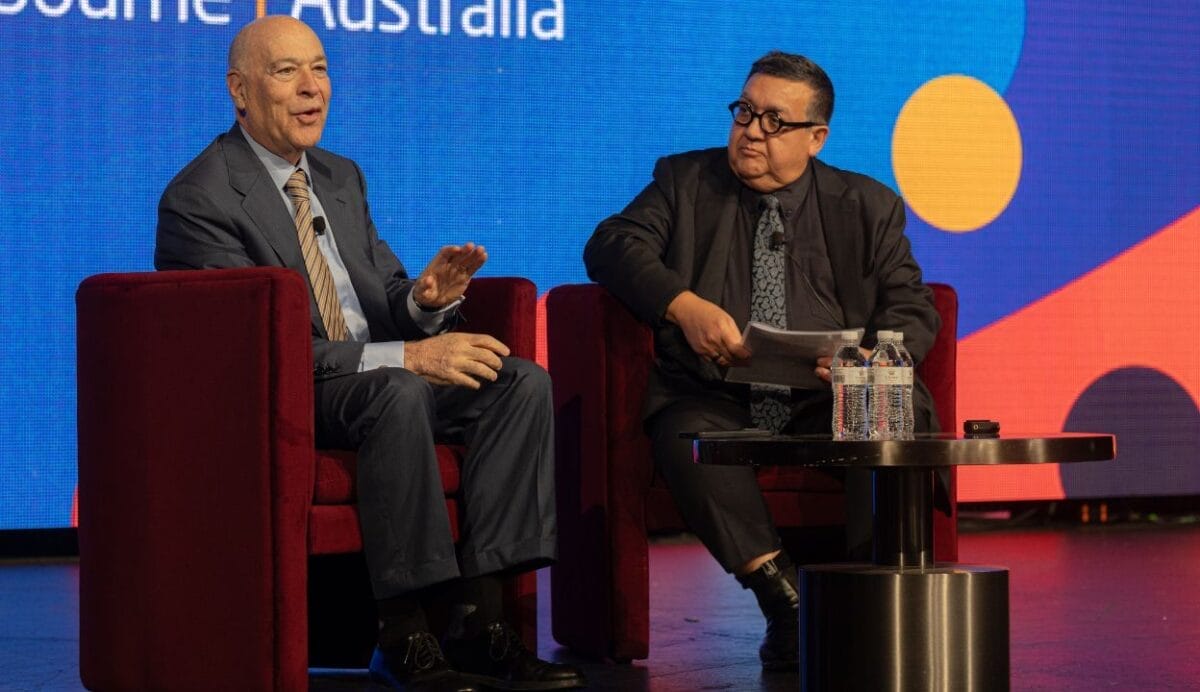
Some investors are “missing the point” of geopolitical risks by equating them to the disruptions from conflicts and wars, according to GIC chief economist Prakash Kannan, but in reality, geopolitical risk is no longer episodic or peripheral. This means investors need to think harder about inflation and country composition in their portfolio.





Leave a Comment
You must be logged in to post a comment.