

Superannuation funds are not taking advantage of the credit crunch as they should be because of the regulations and constraints on the way they build and manage an investment portfolio, according to Australian Super chief investment officer Mark Delaney.
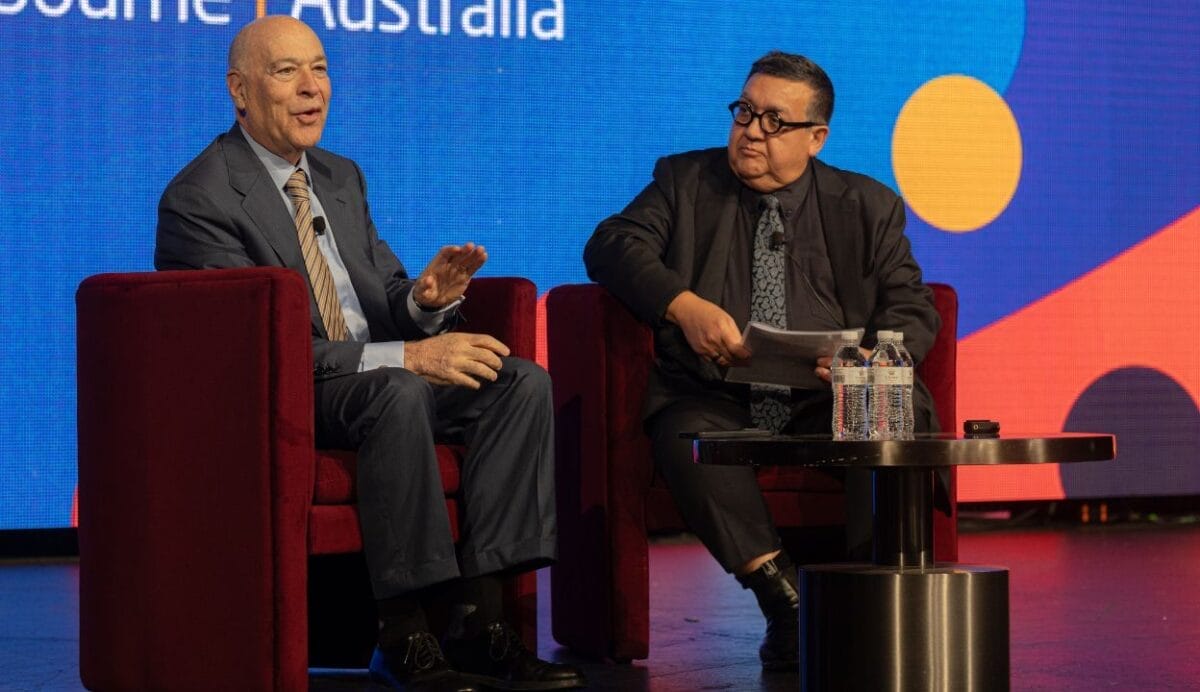
Super funds are “givers of liquidity to the market, all things being equal”, and as long-term investors they should see the current situation as an opportunity set, not a constraint, Delaney told delegates at a PIMCO client conference last month.
When liquidity dries up, super funds should be able to take advantage of that and buy assets at distressed – or at least better – prices than previously, he said, but unfortunately they are not doing so. “Typically super funds aren’t as opportunistic as that, although funds managers are, but there’s all these constraints and guidelines around how we build the portfolio. I don’t think they’re as flexible in terms of taking advantage of the opportunities as they could be,” he said.
Regardless of constraints, fellow industry fund Host Plus will wait on the sidelines for a further nine to 12 months before contemplating high yield or distressed debt investments, CIO Sam Sicilia told a separate Fund Executives Association forum last month. “There could be further carnage to occur. There’s no doubt the market is dislocated from long-term trend but if everyone jumps into distressed debt products that will be competed away,” he said.
Delaney’s comments were in response to whether the industry had the governance structures in place to manage liquidity. Due to recent regulatory changes, redemption requests from super fund members must now be met within 30 days, a big drop from the previous 90-day allowance.
Delaney said the shortened redemption window was not a serious concern for Australian Super as the $28 billion fund had a strong cash flow that had always exceeded redemption requests. He also dismissed the notion there would be large changes in the way investments are managed once the industry has more members in the decumulation phase. “This idea that retirement is different from accumulation I think will disappear over time,” he said.
“There is no doubt that people’s requirements in the retirement phase are different to the accumulation phase: they want more capital protection, more liquidity, and more yield, so the portfolio you build will be different. But most funds already have a range of investments options with different investment horizons and different investment risks,” he said.








Leave a Comment
You must be logged in to post a comment.