

She said that according to the international CEM Benchmarking survey, a 10 per cent increase in internal management resulted in a an average 4.2 basis points increase in net added value for a pension fund. And a 10 per cent increase in passive management added 3.2 basis points in value.
She said there were advantages of scale for the $30 billion fund and predicted further rationalisation among super funds as a way to achieve better scale. The main advantages were being able to invest in big projects and to negotiate lower fees for the larger mandates.
Trafford-Walker said, though, that from the evidence among Frontier’s diverse client base of 20 funds ranging from $400 million up to $30 billion that most of the benefits to scale came from reducing the per-member costs of running the fund. She did not see any statistically significant difference in the returns from bigger funds over smaller funds.
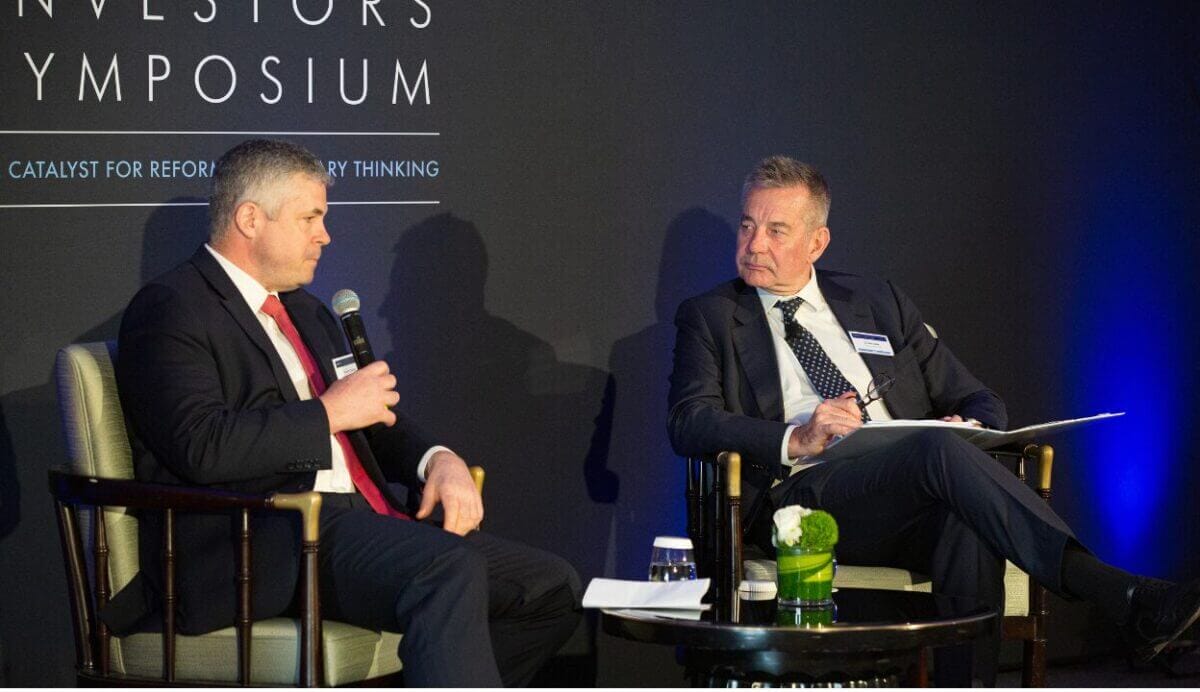
Michael Block, the chief investment officer of Future Plus, pointed out from the floor that there were also disadvantages to being big, such as missing opportunities among smaller investments because they would not have significant impact overall and difficulty in getting in and out of markets quickly.
Mark Sainsbury, chief investment officer for First State Super, told the lunch that, as funds consolidate, there would be more demand for discrete mandates. He said that those responsible for the outcomes had to own the investment vehicles.
He also raised a governance issue with passive investments.
“With passive, you own every listed company,” he
said. “But there are too many companies which choose to look after themselves
rather than shareholders in times of stress.”








Leave a Comment
You must be logged in to post a comment.