
Unless that’s offered I suspect that people wouldn’t think to ask for it themselves. Particularly if they’re labouring under issues with mental illness. So there are probably many things like that, which as a lawyer comes to light very evidently when you get yet another 30 page letter written in crayon on sheets of A3 paper that somebody’s laboured over. It obviously means a lot to them, but it’s very difficult really to make any sense of. If you persevere with that as a trustee, clearly you’re not going to achieve anything for your claimant member. But they won’t necessarily say, ‘I’m really struggling with this’, they might not even know they’re struggling with it. If you have a brother or a partner or friend or somebody who you could appoint and authorise and will deal with that person, that’s a big step forward.
The roundtable concluded with an update from Superfriend on its efforts to co-ordinate funds’ improvement of mental health-related claims processing. A summary can be found in this month’s editorial, on page 14.

04/09/2009
cover, insurers, we’ve, claim, they’ve, disability, mental, it’s, illness, claims, there’s, that’s

Roundtables

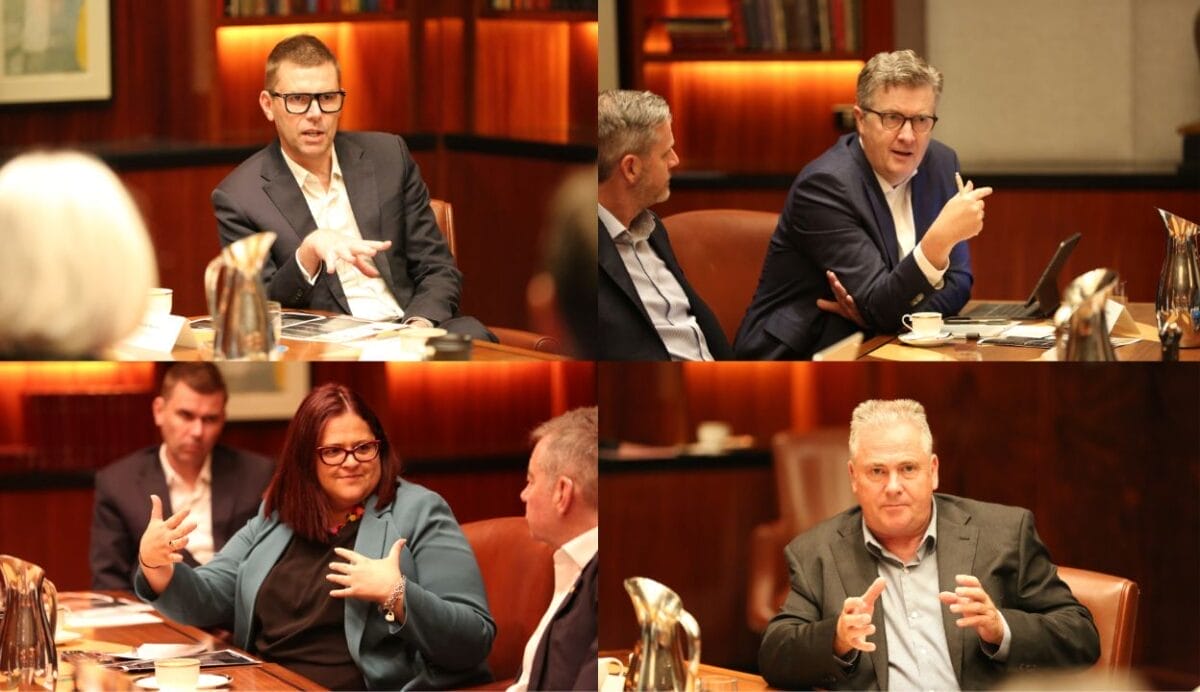
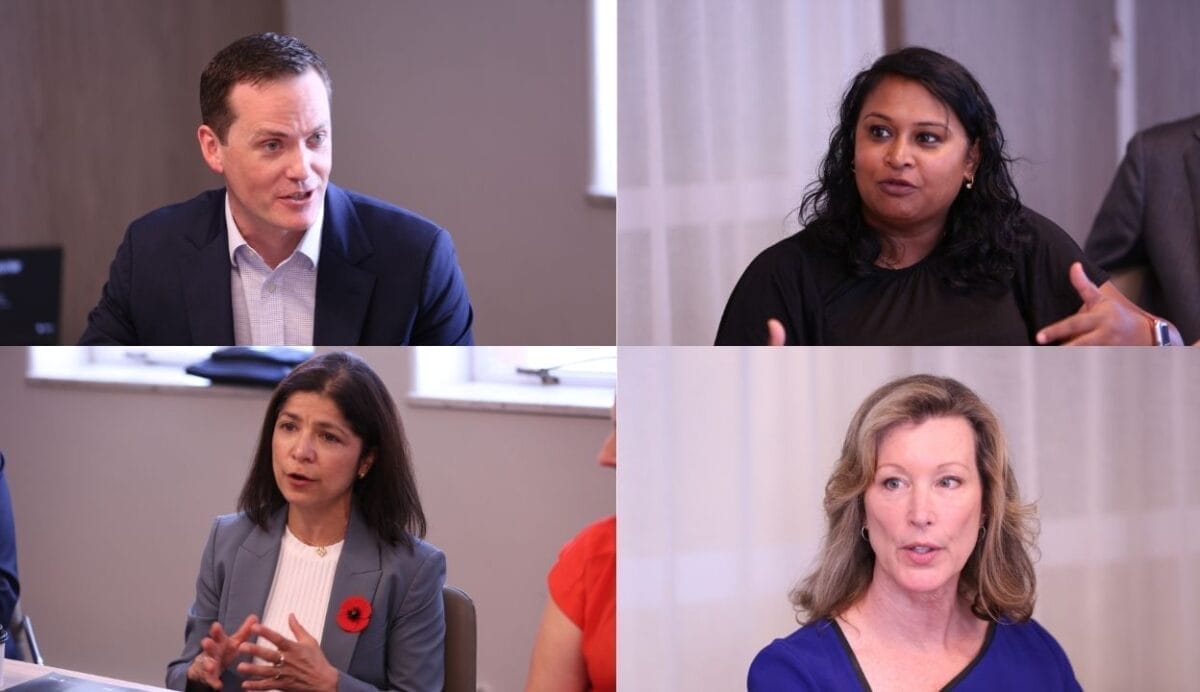
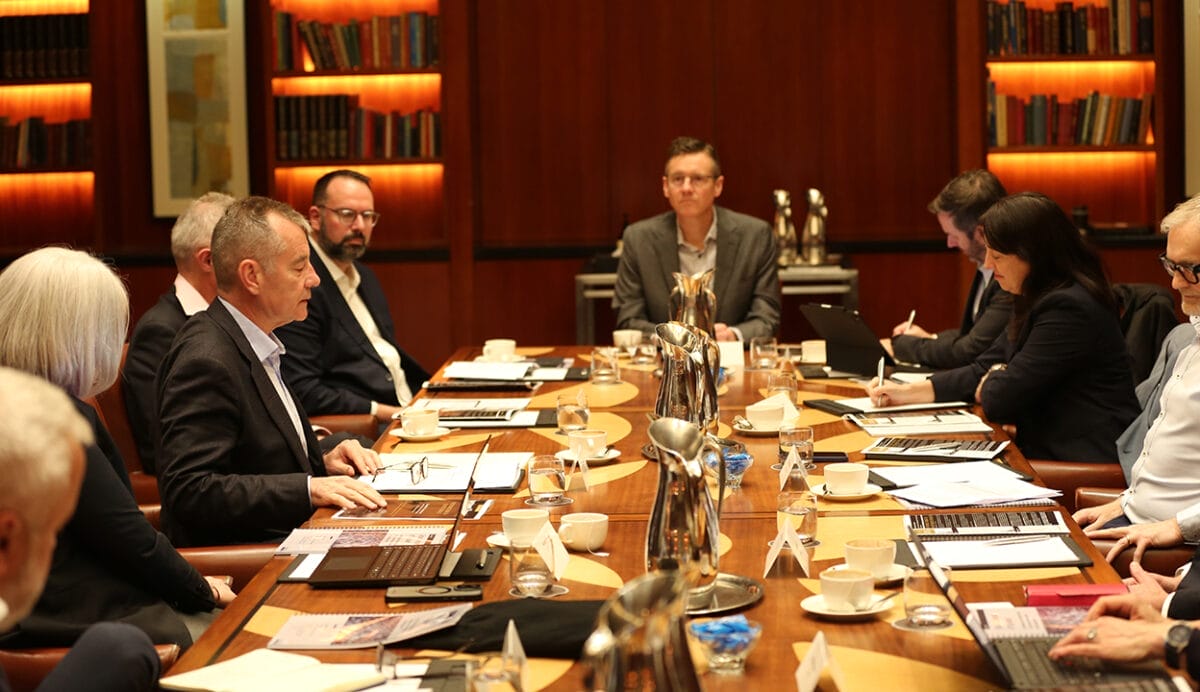
Mental ill health claims across group and retail life insurance policies are expected to reach more than $4 billion this year, according to data from the Council of Australian Life Insurers and Conexus Financial – a trajectory that is unlikely to change. But the ways that superannuation funds and insurers are dealing with mental ill health are flawed, according to an Investment Magazine roundtable, in partnership with AIA Australia.





Leave a Comment
You must be logged in to post a comment.