
We think the primary goal of any alternative proposal needs to be based on alignment of interest. The client provides the capital for investments, and the manager makes income by investing this money. The client is the one taking the bulk of the risk, not the manager. Skilful managers should be paid appropriately for what they do. Skilful managers can make a positive difference to a client’s return although the bulk of any portfolio’s return and risk will be dictated by its asset allocation. However, aiming to add even 0.5 per cent after all costs, taxes and fees to a total portfolio from manager selection is a valuable long-term goal, especially if absolute returns from markets are lower. Our alternative proposal is to combine a flat-dollar fee, adjusted annually by some measure of wage/cost inflation with a performance-based fee. The flat fee would cover the basic costs of running the business, not including performance-based remuneration for staff or excessive base salaries. The performance-based fee would be the primary source of profit for the firm. The fee model might vary by manager and by asset class and so implementation will not necessarily be standardised. It is important to encourage people with skills to establish funds management businesses and so fee structures should not act as a disincentive to new firms. Investors and fund managers will need to develop tailored fee agreements that adequately remunerate those who start new businesses but also reflect the fact that it is the investor taking most of the risk in handing over money to be managed. Further, it will be critical not to incentivise the wrong risk-taking behaviour just to try to earn a performance based fee. But it is no longer acceptable to argue against the principle of pay for performance and an improvement in the alignment of clients’ interests with those of funds managers. The period over which performance fees are paid is important. Most of Frontier’s clients are long-term investors and it makes little sense to pay out performance fees based solely on one-year returns. Pay-outs based on both shorter (one year) and longer term returns (at least three and preferably five years or longer) make much more sense and send two messages to managers: (1) that clients are truly interested in being long-term investors (this would also send a message to the market and companies about their ability to invest in their businesses for the long term), and (2) that clients are prepared to be patient while high quality managers execute their investment strategies. This latter point is critical – investor focus on short-termism creates pressures on fund managers to worry about shortterm returns too. They then place pressure on companies to perform over the same period. Do successful companies execute their strategies in a quarter? Or even a year? The reality is that they rarely do, and pressure on them to do so leads to a weaker long-term outcome for the company. Sum that up across the market and the impact on the economy is clear. Unlisted investments pose specific challenges in relation to fees. Many investors invest via pooled funds as the assets are large and lumpy. More problematically from a fee-structuring perspective, liquidity is typically low and the fund lives are long. Investing in unlisted asset classes introduces issues such as fees on commitments versus invested capital, buy/sell fees, transaction fees, advisory fees, investment period fees versus mature on-going management fees, work fees, other fees (e.g. director fees), claw-backs, hurdles, vesting, fees on realised versus unrealised performance and so on. Again, these are hurdles that need to be overcome but it seems to us that improving on the status quo would have a positive impact on investors’ returns and is therefore an appropriate target at which to aim. Readers should note that this does not necessarily lead to lower fees. In fact, lowering fees is not the overriding intent of this exercise. Rather, we are much more concerned about using fee structures to motivate fund managers to perform better for clients.

30/11/2009
alternative, revenue, excess, versus, structures;, frontier, critical, alignment, clients, align, performance, returns



Alternatives

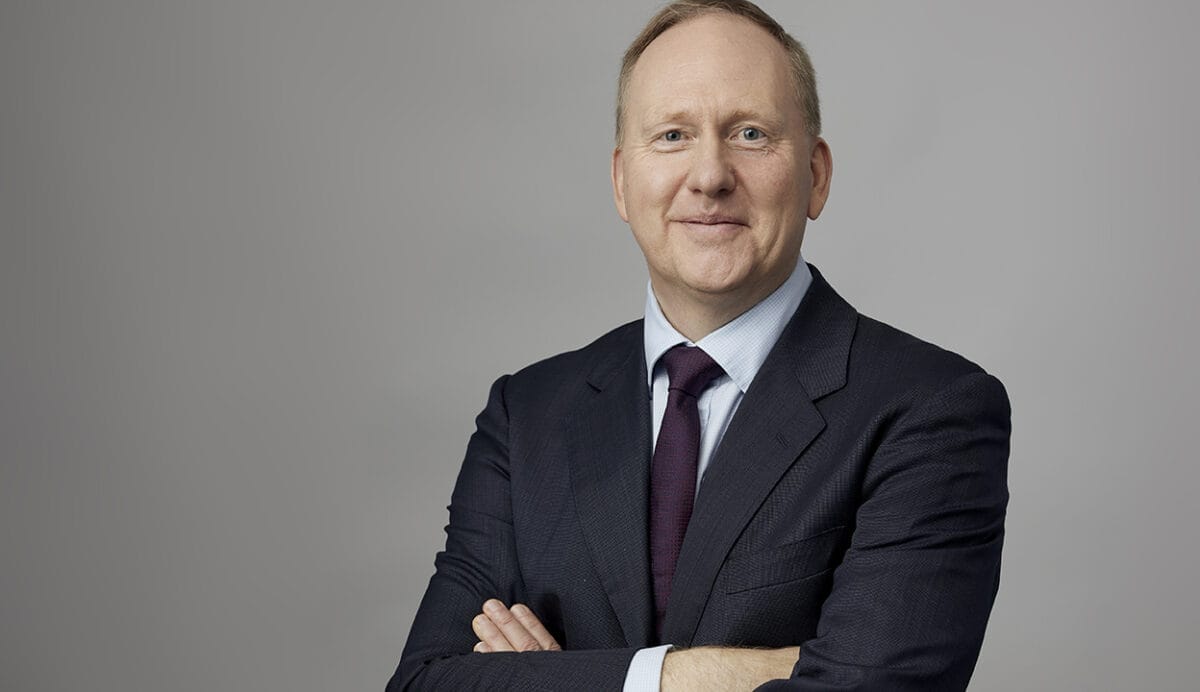
The chief investment officer of the $150 billion industry super fund says that Hostplus’ portfolio will weather the ongoing downturn in software companies and that moves by a number of large private credit managers to gate their funds are a result of the asset class being offered to retail investors who should not have assumed the funds would be liquid enough to get money out when everybody else is trying to do the same.





Leave a Comment
You must be logged in to post a comment.