

“As well as enabling us to perform deposit taking and cash management locally, our banking licence enables us to increase functions performed locally. This complements our global operating model and has been one of the drivers for the growth of our team and business in Australasia.” BNP Paribas also moved to a single platform for Australian clients last year, ending an outsourcing relationship with Citi. Citi maintains a big presence in Australia, with domestic and global custody, but has remained outside the master custody field for super funds. State Street, which exited master custody for super funds for a period before rebuilding this capability over the past few years, joined its investor services and global markets arms under the one head, Ian Martin, last year. Martin, a long-time global markets person, says the two arms had always worked closely together and often provided services to the same clients. He says that most custodians, along with their clients, have re-evaluated their businesses over the past two years particularly looking at the risks they’re taking as well as costs.
“We see some clear opportunities emerging for this … People are particularly looking at their expenses and what is core and what is available for outsourcing. We’ve some large deals recently, such as our deal with Morgan Stanley for US$300 billion of their middle office. There’s that sort of activity happening.” Prime broking for managers, such as hedge funds and boutiques, is an obvious area which strong custodian banks can take advantage of the relative weakness of certain investment banks in the eyes of clients. It has been a bone of contention for years among custodians that some investment banks have been providing “free” custody to prime broking clients in return for the broking action on trades. Martin says there is likely to be “lots of different flavours” in the services that custodians can offer. While State Street is unlikely to become a pure prime broker, it has recently provided new services to facilitate alpha extension (or 130:30) funds through an “enhanced custody model”, which allows for a relatively modest level of leverage and does some lending to mutual funds in the US. Martin sees a continuing evolution regarding more transparency across the business.
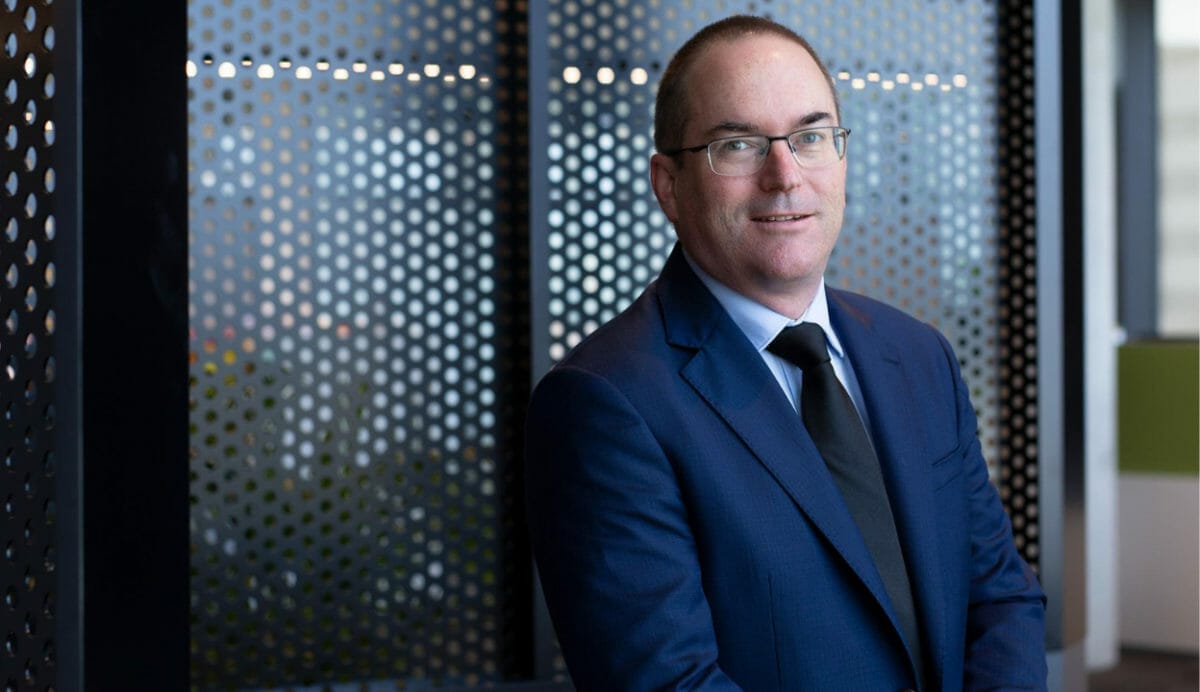
He says that State Street had assumed more disaggregation would occur – where super funds, for instance, looked to split off their cash or FX business from the bundled services of one global bank – but this has not happened to any large degree. “(Disaggregation) will be a clientdriven process. I wonder whether there will be a real appetite for it … There are different ways to manage cash and FX and to what extent clients want to insource that, I don’t know. They have to look at what risks they want to take on. In Australia, fund managers have been quite good at managing cash. In other parts of the world they have been a bit lazy about how they handle frictional cash.” Andrew Bastow, the new head of securities services for HSBC in Australia, believes that the big-picture trend of the financial and economic power in the world shifting from the West to the East is something that financial services firms in Australia can take advantage of.







Leave a Comment
You must be logged in to post a comment.