

There’s the important role of the Sole Purpose Test for a start … there should be no restrictions on what funds can invest in.” And he is protective of the role of the trustee board. Issues such as enforced hiring of a certain number of “independent” directors and restricting the number of boards that trustees can sit on may well be addressed in the Cooper Inquiry findings. “I’m yet to hear what the negative stories are about the trustee system,” Howes says. “Ultimately there are a lot of people who are opposed to union officials being on the boards of funds. But I think the mix of people and knowledge on our [AustralianSuper] board is amazing. Union officials are just as hardnosed as employer representatives when it comes to getting returns … I could understand the criticisms if we’ve had years of poor returns, but we haven’t. It’s been the opposite. At the same time there have been major issues of corporate governance among listed companies. Some decisions by shareholder-elected boards, such as Rio Tinto, have been very bad. They’ve taken a fantastic company and turned it into a dog.”
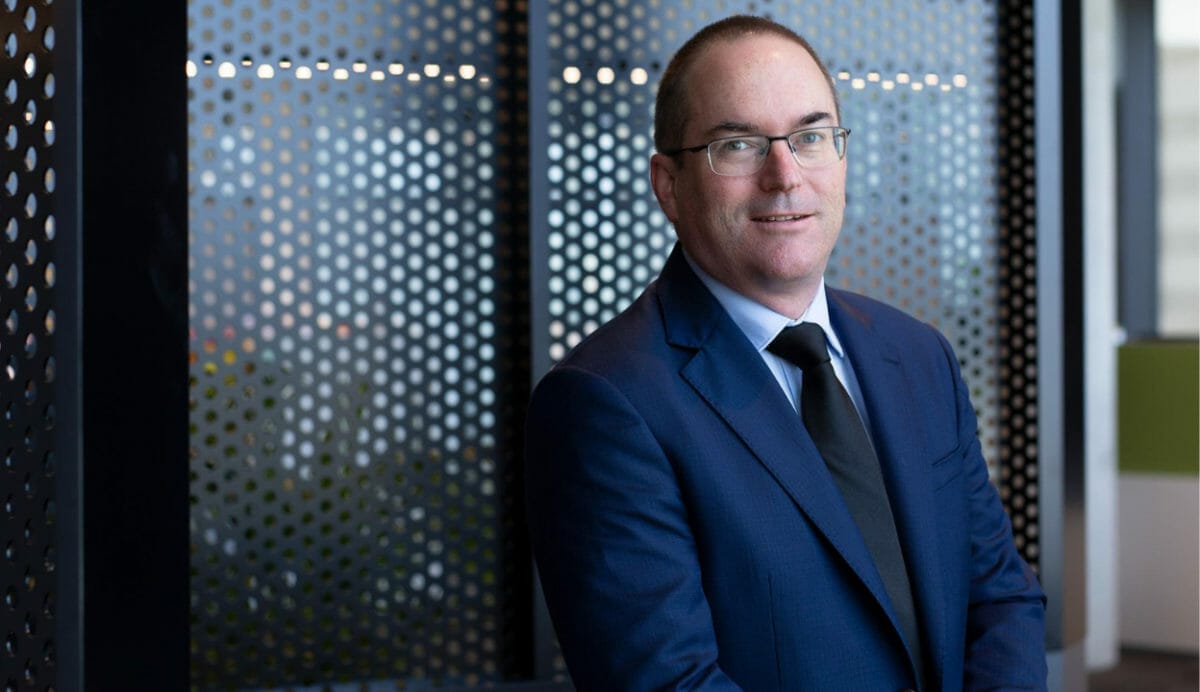
He predicts that boards will have to put an increasing level of trust in their staff as funds grow and delegate more. And there will be a greater influx of professionals at both board and management level. “For someone like myself, I have to leave my union hat at the door … in many ways the challenges of the future will be harder to grapple with.” Ian Silk, AustralianSuper’s chief executive, says the real challenge for industry funds will be to “maintain the rage” [a reference to Gough Whitlam’s famous words on his dismissal in 1975]. “We have to maintain our conviction that the not-for-profit model is best … we have to sustain the trustee system and the operating model. My biggest worry is renewing staff. I could see that the model could succumb to a bit of hubris. The fact that industry funds have grown in their FUM is mostly due to an Act of Parliament and the investment markets. It’s not really due to the wit and wisdom of the people running them.”
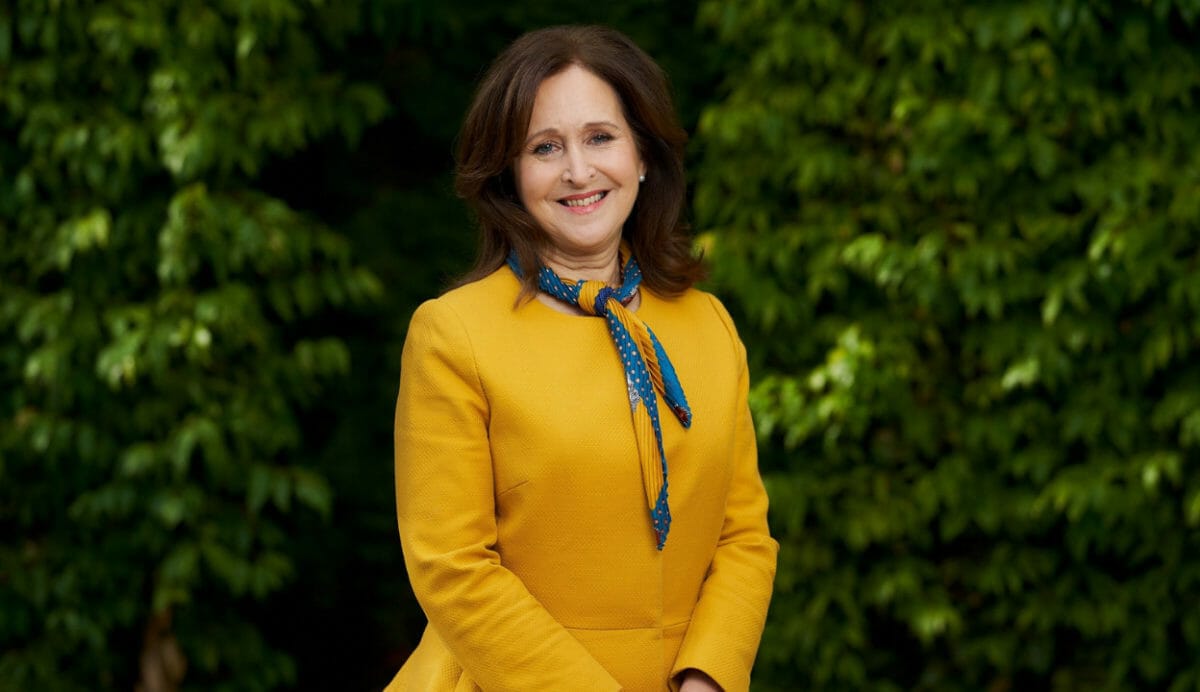
There will be no hubris for as long as Ian Silk is around, it seems. Fiona Reynolds, chief executive of AIST, says there are challenges presented by the inquiries. The Cooper Review, in particular, has the potential to change the structure of the industry. “Even though we have these reviews, the Government needs to decide its take on reforming the super industry. In the past there have been a lot of recommendations, such as on adequacy, but when it gets to the Government’s end, nothing much has happened … this will be a test for the Government on where it intends to take super policy, and whether or not it is bold and brave enough to make some tough decisions.” In many ways, as industry doyenne Mavis Robertson points out, some of the topics which were discussed at the first CMSF in Wollongong 20 years ago are still issues to be discussed today.








Leave a Comment
You must be logged in to post a comment.