

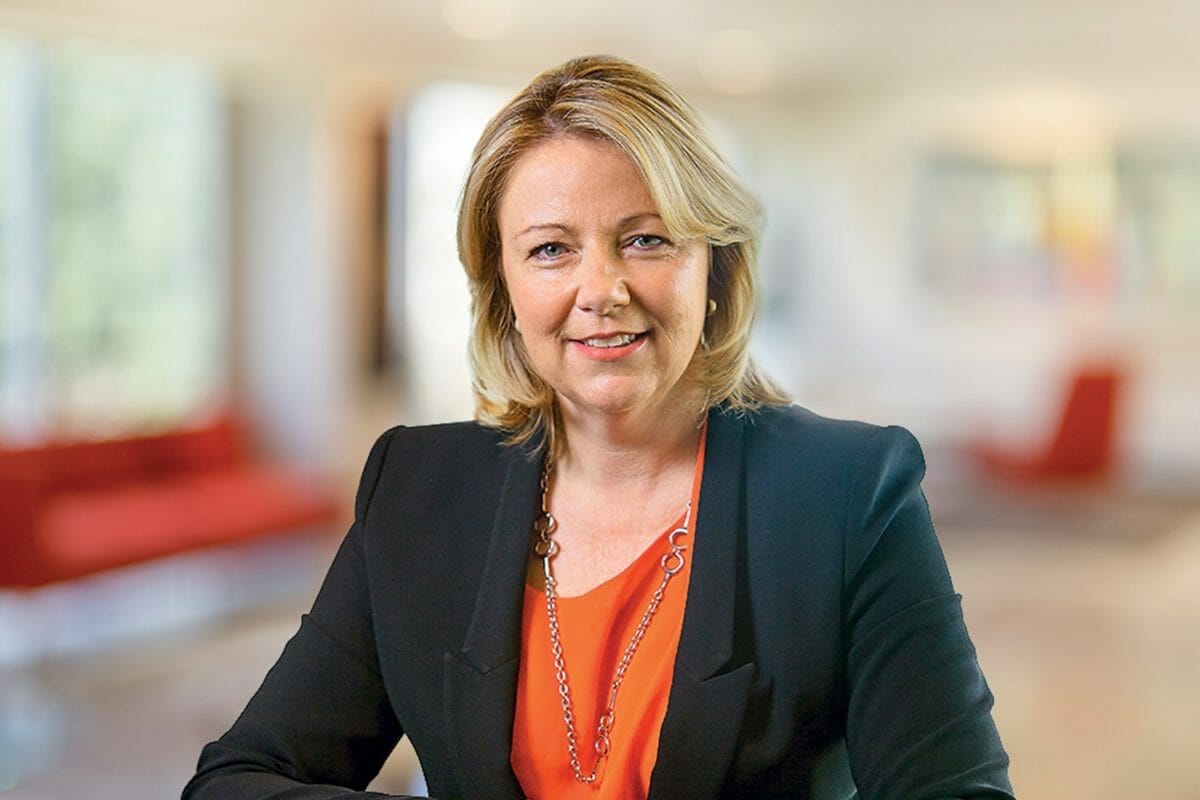
Funds would co-operate with each other on investments, rather than compete, and would have large in-house teams running as well as overseeing the money. Trafford-Walker thinks that, in an ideal world, funds would not have to worry about what their peers were doing with investments. “They need to be accountable but not every three or six months. We need to do a better job as an industry to protect the members’ interests,” she says. “My personal view is that I’d rather invest in real assets that do things, as long as they make money. I’d much rather make money from real assets that grow, but you have to be open to all opportunities.” From the point of view of asset consultants, with fewer, but larger, funds with big in-house investment teams, the role of traditional asset consultants will need to change too. “You have to evolve or die,” Trafford-walker says. “This is a very Darwinian industry.” With larger, more sophisticated clients, asset consultants will also need more senior people to work with them. Frontier, for instance, used to operate on a staffing ratio of two analysts for every consultant. Now the ratio is reversed. Of the 30 investment professionals at the firm, 20 are consultants, 10 of whom each has more than 10 years experience.
“The cookie-cutter model of advice is fine for smaller funds,” Trafford-Walker says. “But it’s not good enough for big funds.” Asset consultants, perhaps everyone involved in super in the future, will have to offer value for money and prove their value-add to clients/ employers/members. From the funds managers’ perspective, the next 20 years may well lead to as much change as the past 20. Those involved in the business of offering specialist services, such as fostering boutiques, certainly don’t foresee a declining demand. Multi-affiliate managers, such as Grant Samuel Funds Management, believe that funds management involves a philosophy which is aligned with that of boutique, staff-controlled firms.
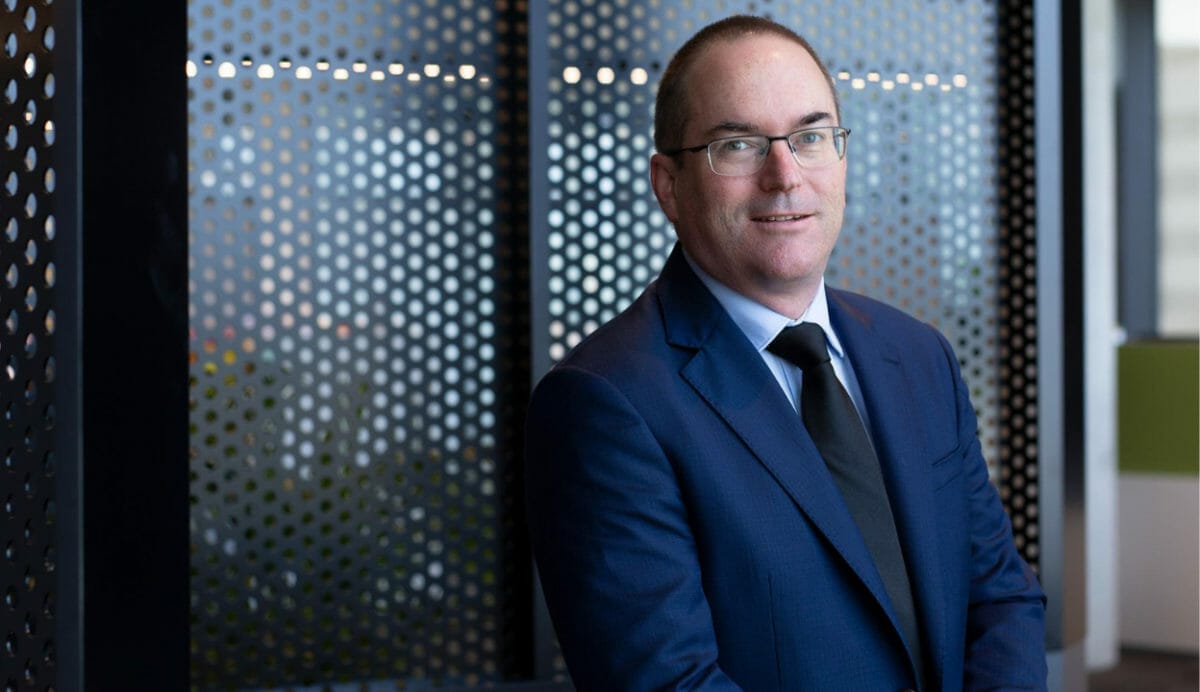
Andrew McKinnon, the chief executive of Grant Samuel FM, says that asset allocation is still the toughest investment decision for funds and there will probably be a higher weighting to debt assets going forward. “But maybe people didn’t learn enough from the crashes of the past, such as the property market crash of the early 1990s when investors couldn’t get out,” he says. “One of the key messages from the GFC is liquidity. Getting the balance between liquid and long-term assets will be important. I think we will have to mark-tomarket more illiquid investments.”






Leave a Comment
You must be logged in to post a comment.