

He says fund stakeholders will need to accept this likely outcome. This is important in an industry where funds are keenly sensitive to the performance of their peers. “If you put this protection on and the world doesn’t turn out to be as bad as feared, and you have put on a lot of options that lost money, you get remembered for losing money.” The same timing risks are amplified if a fund decides to implement dynamic asset allocation (DAA), which has been pitched by some consultants and managers as a fat-tail dodger. To perform DAA, funds must be able to shift assets quickly and be prepared to lose money as a result of timing calls. “You’re talking about potentially large swings in asset allocation which could go wrong.” Trustee boards require “discretion” and the flexibility to deviate from long-term asset allocations if required, Christensen says, while chief investment officers need authority to swiftly delegate tasks.

Alternatives
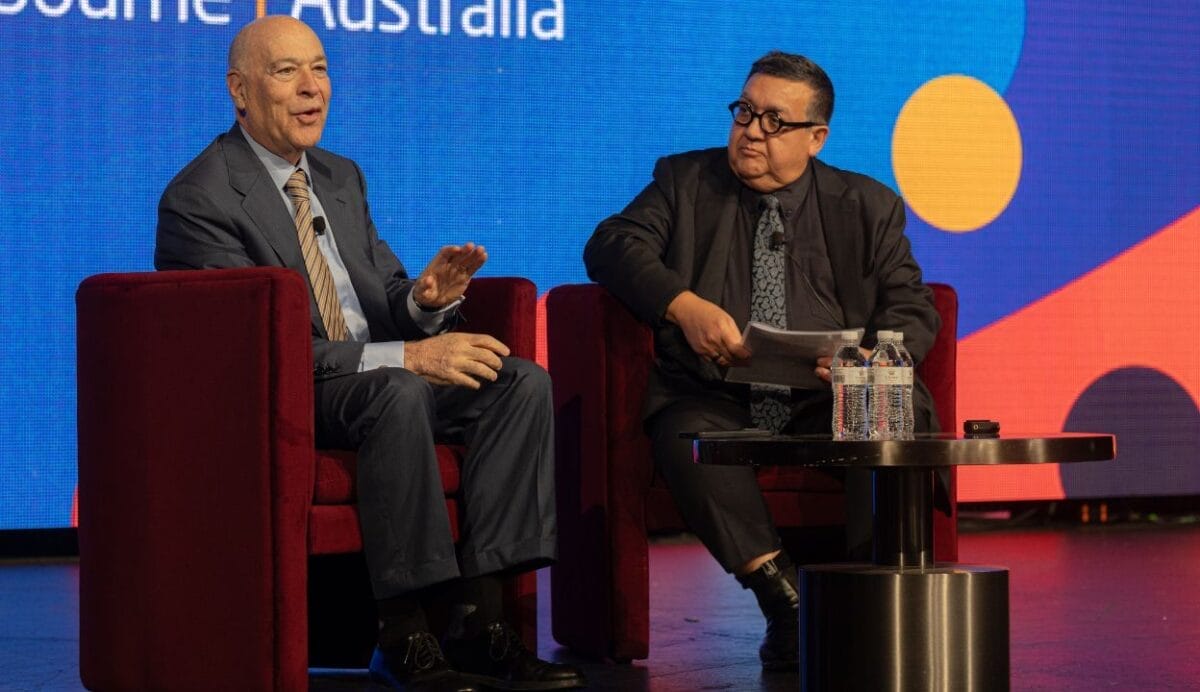
The chief investment officer of the $150 billion industry super fund says that Hostplus’ portfolio will weather the ongoing downturn in software companies and that moves by a number of large private credit managers to gate their funds are a result of the asset class being offered to retail investors who should not have assumed the funds would be liquid enough to get money out when everybody else is trying to do the same.







Leave a Comment
You must be logged in to post a comment.