

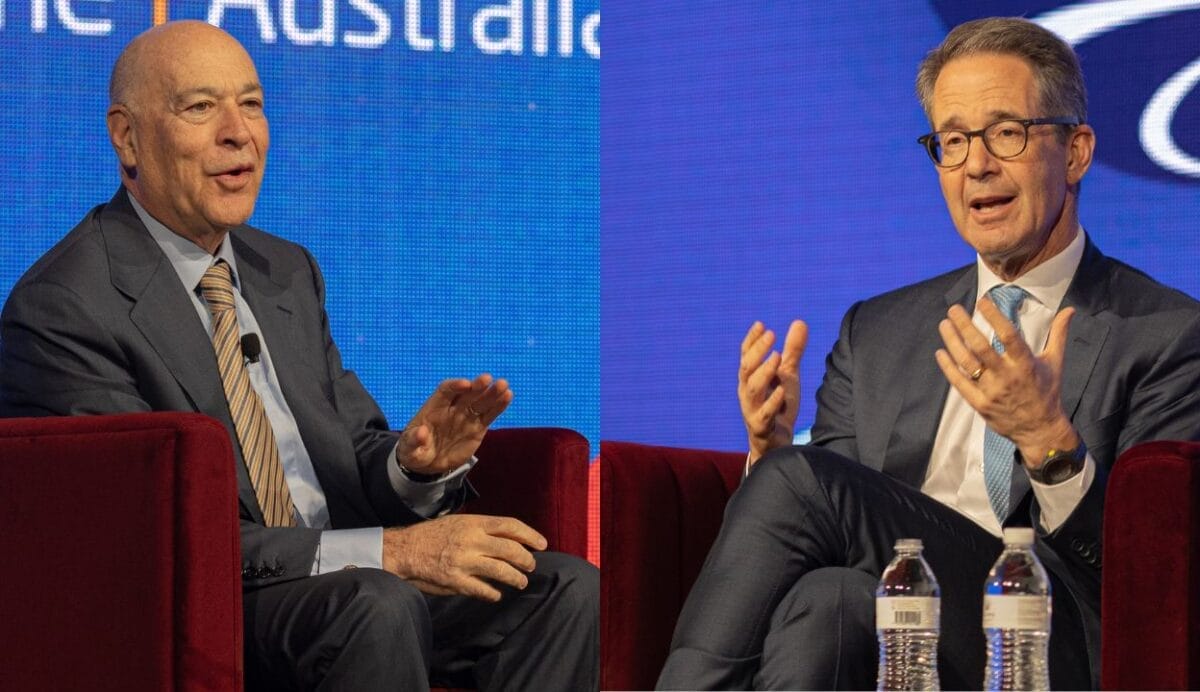
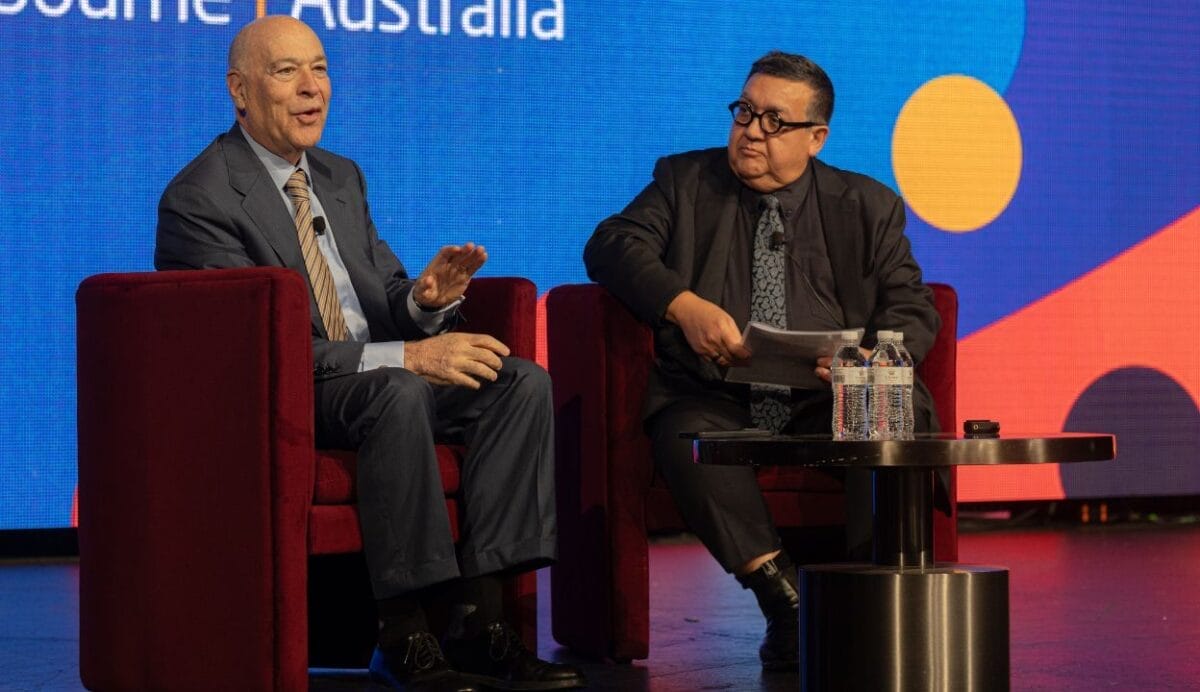
BT Super For Life’s funds under management have topped $1billion in just over two years, proving that the low-cost, bank-branch distributed model is taking on the industry/retail fund “duopoly”, according to BT Financial’s recently installed chief executive, Brad Cooper.
While BT Super For Life is ostensibly a ‘retail’ offering, Cooper explains that more than 75 per cent of people joining have been signed up by a teller in a branch of BT’s parent, Westpac/St George, with no involvement from a financial planner whatsoever.
Westpac/St George has more than 10 million customers of whom more than 5 million are active, and has over 1600 branches, according to Cooper, who has been BT Financial’s chief executive since February.
This vast national spread was positioning the organisation for a unique bank-branch superannuation offering where customers could organise their banking, superannuation and insurance simultaneously.
Westpac’s re-introduction of decision-making bank managers (as opposed to mere branch managers) also meant that customers could get instant decisions about products and insurance claims.
The hardest “sell” had been to tellers at Westpac and St George branches, said Cooper, because “they see themselves as customer advocates”.
The BT Super for Life product proved that customers could have “low-cost distribution with high returns”, said Cooper.
Building the technology and the product were the relatively easy part, Cooper added. “The hardest part has been the cultural shift: engaging the bank tellers.”
Cooper signalled that the BT Super For Life success paved the way for Westpac to question the “privileged position of default funds in awards” because the bank had proved that a low-cost, high-return superannuation solution was possible outside the industry funds.








Leave a Comment
You must be logged in to post a comment.