

Now that redemptions have eased, and managers are not so compelled to accumulate their available cash to meet payouts, they can remain invested and be better positioned to exploit market dislocations. This “may help lead to a restorative cycle of strong performance and stabilising capital bases”, notes Cambridge in recent research. “For the survivors, the rewards should be strong as pricing inefficiencies continue even as many markets have rallied well off market lows.” Indeed, the crisis changed the competitive landscape of the hedge fund industry, says K2’s Saunders. “The industry, to some degree, bifurcated post-2008. A handful of large players have been receiving inflows and they are institutional managers, because clients require more and more resources.” These survivors can reinvest in operational systems and pay bonuses to keep talent. Managers that are still beneath their high-water-marks will find this difficult as they endure a dearth of performance fees. “You will also see fewer partnerships. Investors don’t need two or three hedge FoFs, but one partner.”




Alternatives

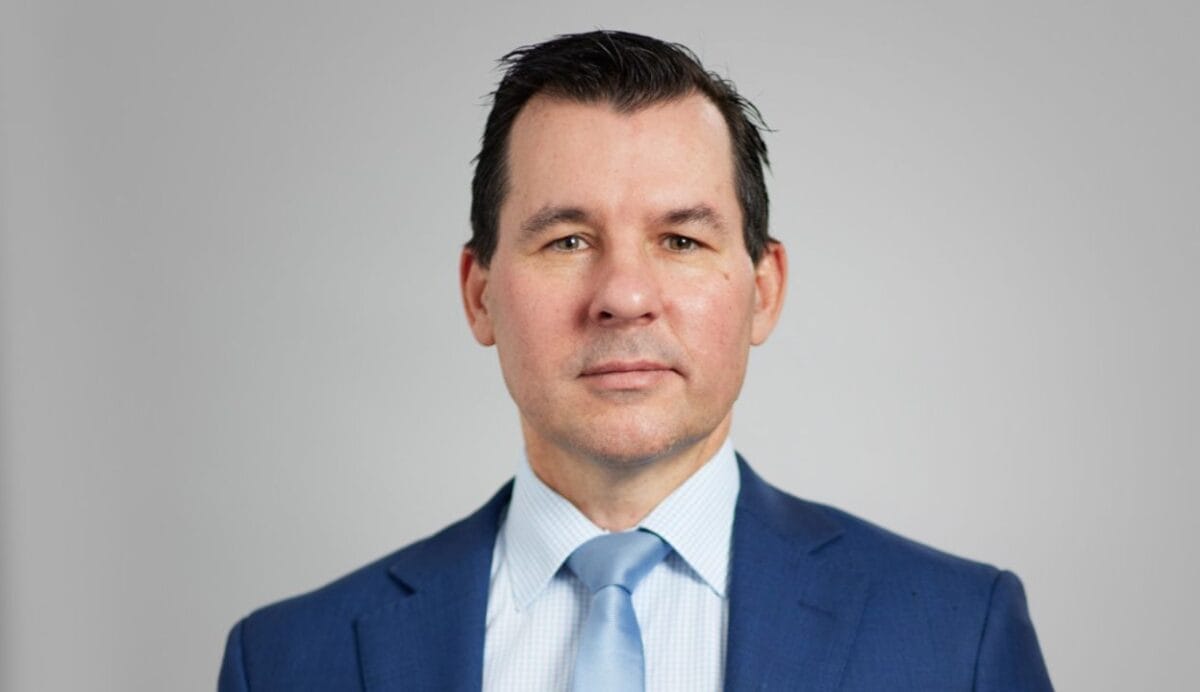
The chief investment officer of the $150 billion industry super fund says that Hostplus’ portfolio will weather the ongoing downturn in software companies and that moves by a number of large private credit managers to gate their funds are a result of the asset class being offered to retail investors who should not have assumed the funds would be liquid enough to get money out when everybody else is trying to do the same.















Leave a Comment
You must be logged in to post a comment.